A Complete Guide to Workshop Hand Tools: Types, Uses, and Essential Tools for Every Workshop
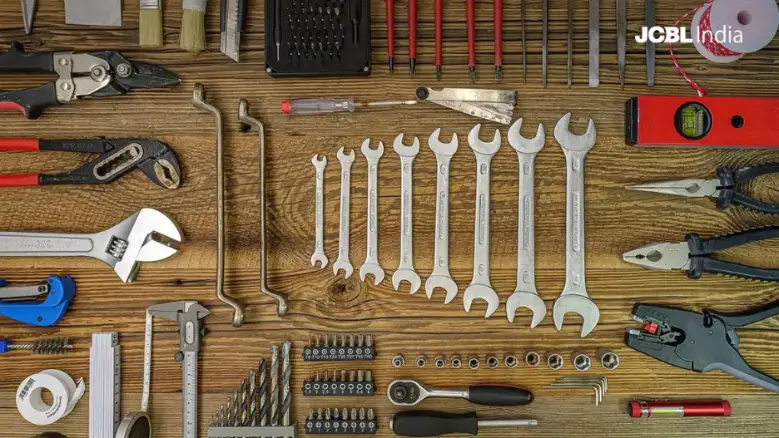
Workshop hand tools are the foundation of mechanical workshops, fabrication units, construction sites, and maintenance departments. These tools allow professionals to perform cutting, fastening, measuring, and holding tasks with precision and control. Understanding what hand tools are and how they are used helps technicians choose the right workshop tools and equipment for efficient operations.
Jump to Section
- What Are Hand Tools?
- Types of Hand Tools Used in Workshops
- Essential Workshop Hand Tools Checklist
- Different Types of Workshop Hand Tools
- Factors to Consider When Choosing Hand Tools
- Why Professionals Trust JCBL Hand Tools
- FAQs
What Are Workshop Hand Tools?
Workshop hand tools are manually operated tools used in workshop environments to perform tasks such as cutting, tightening, loosening, measuring, shaping, and holding materials. These tools do not require electricity or powered mechanisms and rely entirely on human effort. They are essential for carrying out precision work, assembly, repair, and maintenance in mechanical, carpentry, and fabrication workshops.
Common examples of general hand tools include:
- Hammers
- Spanners & Wrenches
- Screwdrivers
- Pliers & Pincers
- Chisels
- Hacksaws
- Measuring tools
- Vices
Because they offer greater control and precision, workshop hand tools remain essential across industries.
Types of Hand Tools Used in Workshops
Workshop tools and equipment can be categorized based on their primary function. Understanding these categories helps professionals determine the right tool to be used for different workshop applications.
1. Cutting Tools in Workshop
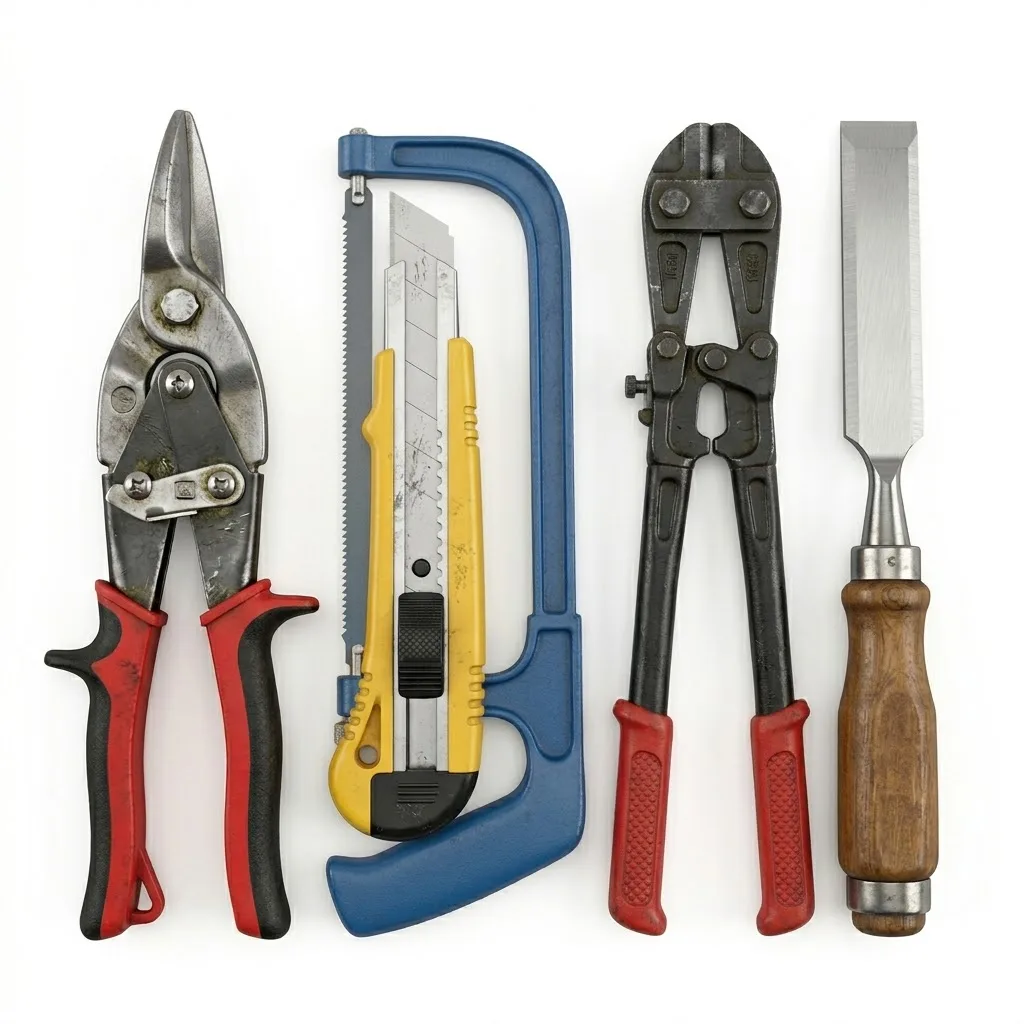
Cutting Hand tools are used to cut, trim, or shape materials such as wood, metal, plastic, or composite materials.
Common cutting tools in workshop environments include:
- Hacksaws
- Utility knives
- Tin snips
- Bolt cutters
- Wood chisels
These mechanical hand tools are essential for fabrication, repair work, and construction projects.
High-quality cutting tools should feature:
- Hardened steel blades
- Sharp cutting edges
- Durable construction
- Comfortable grip handles
Using reliable cutting hand tools improves precision and reduces material waste.
2. Fastening Tools
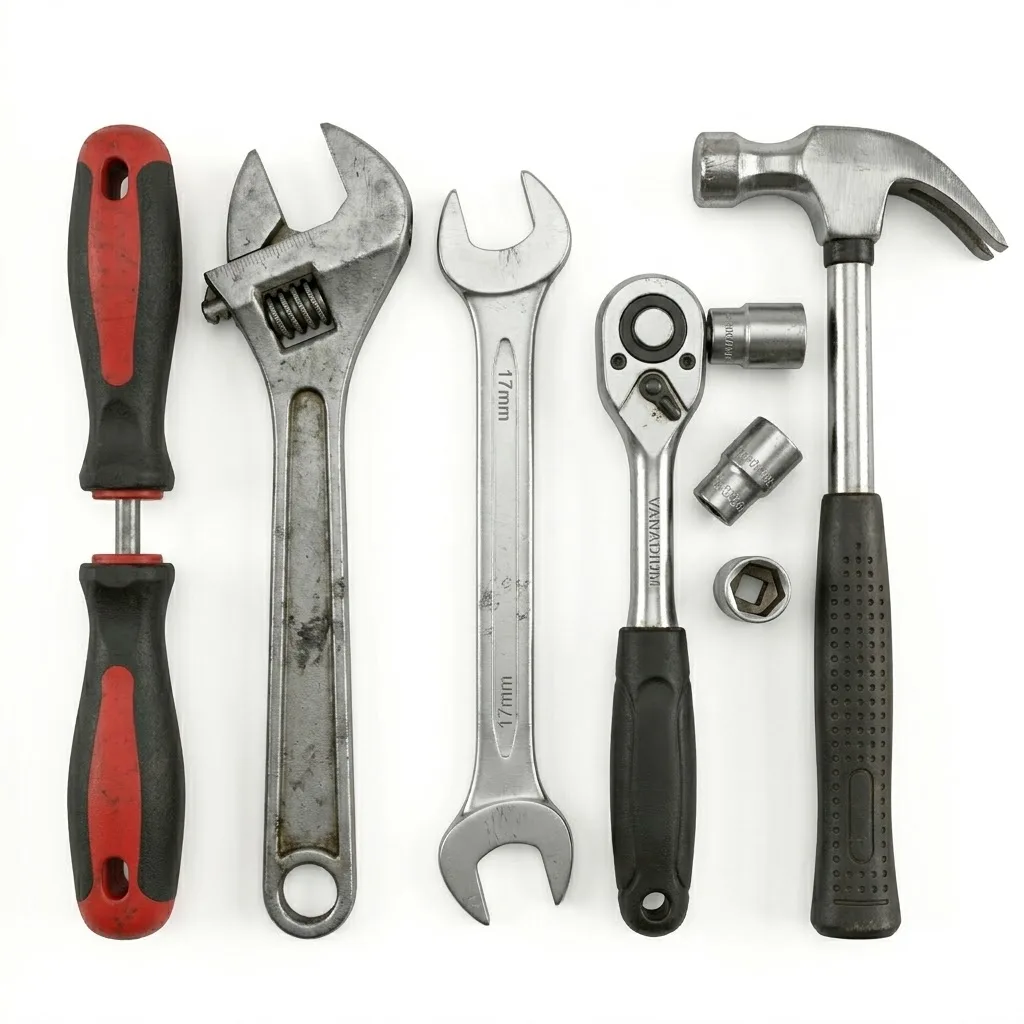
Fastening tools are among the most widely used hand tools in workshop operations. These tools help tighten, loosen, assemble, and dismantle mechanical components.
Examples include:
- Screwdrivers
- Spanners
- Wrenches
- Socket tools
- Hammers
These tools, to be used in mechanical and maintenance work, allow technicians to assemble machinery, repair equipment, and perform installation tasks.
For efficiency, many professionals prefer a complete hand tools set that includes multiple fastening tools in one kit.
3. Measuring and Guiding Tools
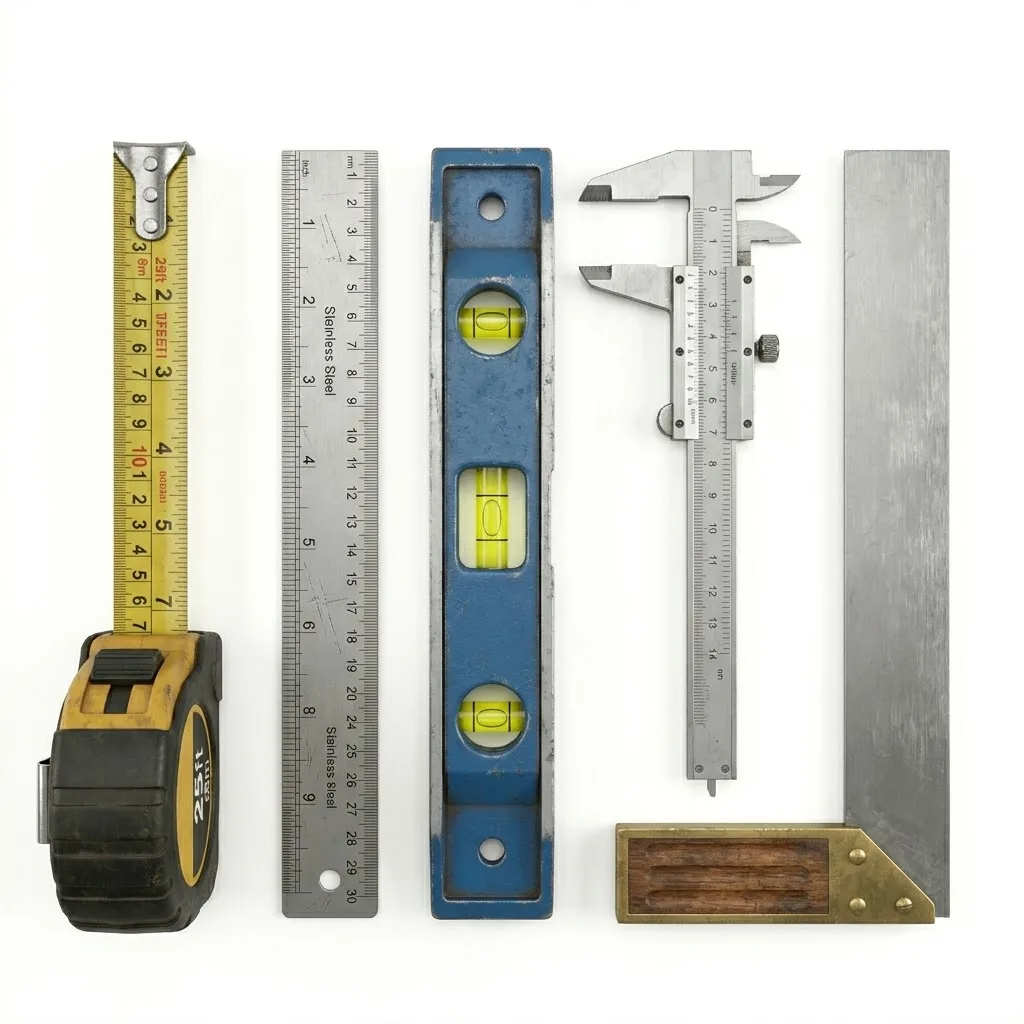
Precision is critical in any workshop operation. Measuring and guiding tools help ensure accurate dimensions and alignment.
Common measuring workshop tools include:
- Tape measures
- Steel rulers
- Spirit levels
- Vernier calipers
- Squares
These hand tools are essential for construction, engineering, and fabrication work where accuracy directly impacts quality. Reliable measuring tools ensure consistent output and reduced errors during production or installation tasks.
4. Holding Tools in Workshop
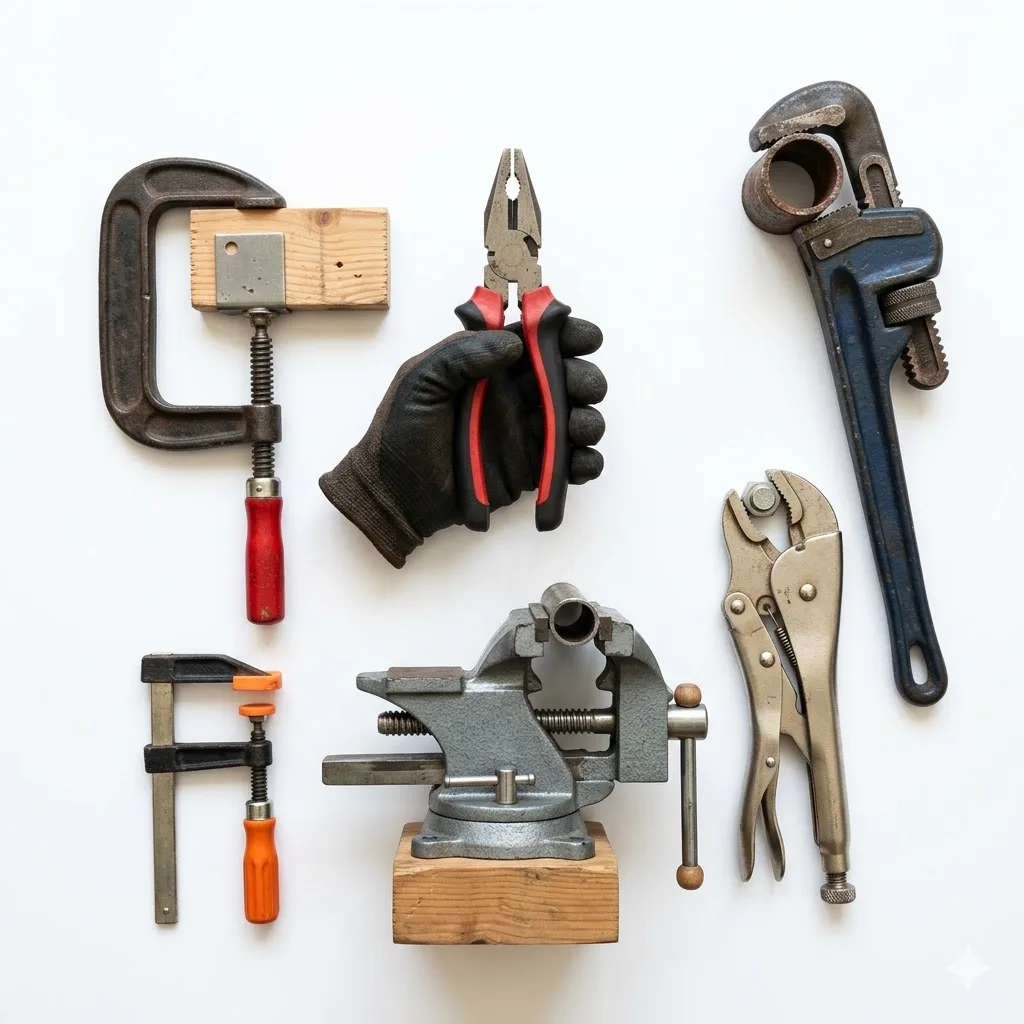
Holding or gripping tools are designed to secure materials firmly during cutting, bending, drilling, or assembling operations.
Common holding tools in workshop environments include:
- Pliers
- Clamps
- Bench vices
- Locking pliers
- Pipe wrenches
These hand tools provide stability and safety while working with materials, preventing movement and improving precision.
Durable gripping tools should have:
- Strong jaws
- Heat-treated steel construction
- Non-slip ergonomic handles
Essential Workshop Hand Tools Checklist
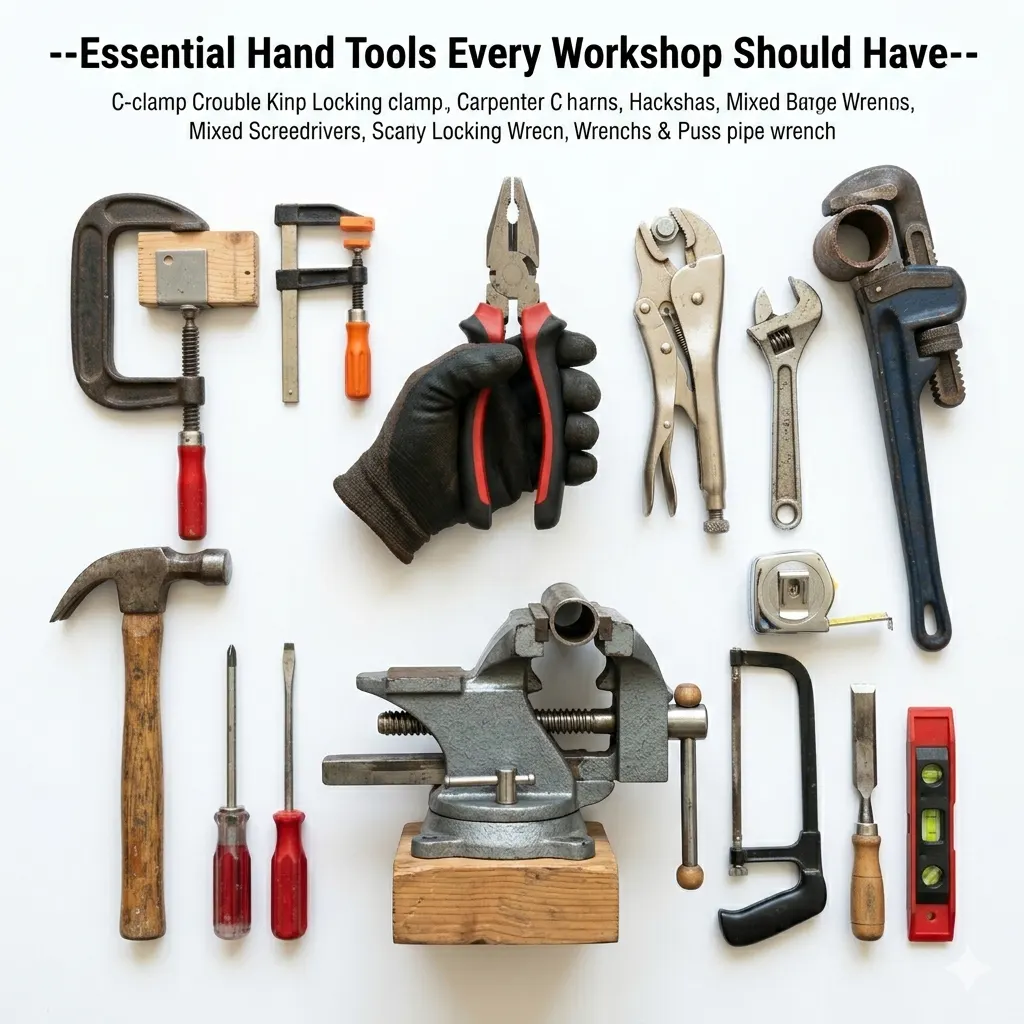
Every workshop should maintain a core hand tools set for daily operations.
Essential workshop hand tools include:
- Hammer
- Screwdrivers
- Pliers
- Adjustable wrench
- Tape measure
- Hacksaw
- Chisel
- Spirit level
These workshop hand tools support a wide range of repair, maintenance, fabrication, and construction activities.
Different Types of Workshop Hand Tools
Overview of workshop hand tools by category, use, and examples:
| Category | Primary Use | Example |
| Cutting Tools | Used for cutting, trimming, or shaping materials such as metal, wood, or plastic | Hacksaw, Utility Knife |
| Fastening Tools | Used for tightening or loosening screws, bolts, and nuts during assembly or repair work | Screwdriver, Wrench |
| Measuring Tools | Used for measuring dimensions, distance, and alignment to ensure accuracy in projects | Tape Measure, Spirit Level |
| Holding Tools | Used for gripping or securing materials firmly while cutting, drilling, or assembling | Pliers, Clamps |
| Guiding Tools | Used to maintain alignment and accuracy when marking or positioning materials | Square, Ruler |
The hammer is a versatile and indispensable tool in any workshop, designed for a wide range of tasks such as driving nails, fitting parts, or breaking objects. With variations like claw hammers for pulling nails and sledgehammers for heavy-duty demolition, it caters to diverse needs. A good-quality hammer should have a sturdy head made of hardened steel and a comfortable, ergonomic handle to reduce hand fatigue and enhance safety during use.
Factors to Consider When Choosing Hand Tools
Selecting the right workshop tools and equipment requires careful evaluation.
- Tool Material and Durability: High-quality hand tools are typically made from carbon steel, alloy steel, or chrome vanadium steel, ensuring strength and longevity.
- Ergonomics and Comfort: Professionals often use hand tools for long working hours, so ergonomic design and anti-slip handles help reduce fatigue and improve safety.
- Tool Functionality: Choose the right tool to be used for specific tasks. Multipurpose tools can increase efficiency in workshops with limited storage space.
- Tool Compatibility: Many modern workshops also rely on hand tool accessories, such as interchangeable bits, tool organizers, and tool storage systems.
- Brand Reliability: Trusted manufacturers provide consistent quality, durability, and performance, which is crucial for professional and industrial use.
Why Professionals Trust JCBL Hand Tools
When selecting reliable workshop hand tools, professionals often choose brands with a strong manufacturing background and industry reputation. JCBL Hand Tools is one such trusted brand that provides high-quality tools designed for professional use. The brand is backed by JCBL Group, a well-established industrial manufacturing group known for its engineering expertise and manufacturing capabilities.
This strong industrial backing ensures that tools are designed with strict quality standards, durable materials, and precision manufacturing processes.
Their Key advantages of include:
- Durable Construction: JCBL tools are manufactured using high-strength steel and advanced forging processes, ensuring durability even in demanding workshop environments.
- Ergonomic Design: Each workshop tool is designed to provide better grip, improved control, and reduced fatigue during long working hours.
- Wide Product Range: JCBL offers a broad selection of hand tools sets, mechanical hand tools, cutting tools, and workshop tools and equipment to meet different industrial and professional requirements.
- Professional Reliability: Because the brand is supported by JCBL Group’s manufacturing expertise, these tools are trusted by technicians, mechanics, and workshop professionals.
Conclusion
Hand tools remain a fundamental part of every workshop, enabling professionals to perform tasks with precision, control, and reliability.
From cutting tools in workshop environments to fastening tools, guiding tools, and holding tools in workshop operations, each tool plays an essential role in completing projects efficiently.
By understanding what hand tools are, selecting the right tools to be used, and investing in durable workshop tools and equipment, professionals can build a toolkit that supports long-term productivity and quality work.
Choosing reliable manufacturers such as JCBL Hand Tools, backed by the expertise of JCBL Group, further ensures durability, performance, and professional-grade reliability.
FAQs
Hand tools are manually operated tools used for tasks such as cutting, fastening, measuring, and holding materials without the use of electricity or power sources.
Common workshop hand tools include hammers, screwdrivers, pliers, adjustable wrenches, chisels, hacksaws, and measuring tools.
Hand tools provide better control, precision, and reliability for tasks that require careful handling and manual craftsmanship.
Important factors include tool material, durability, ergonomic design, functionality, and brand reputation.
Explore More Useful Guides: