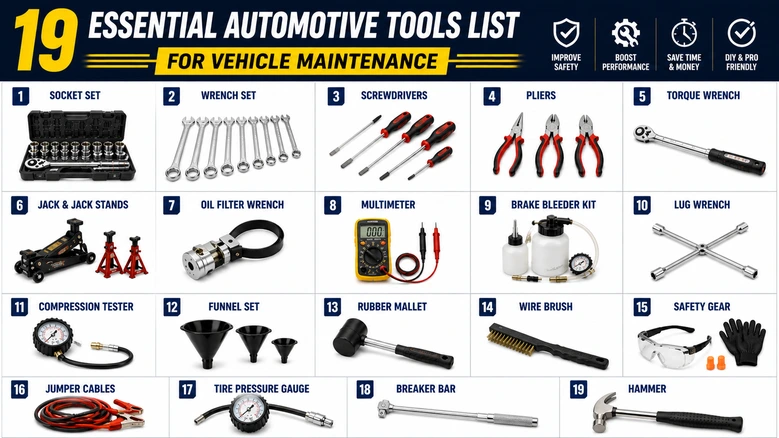
19 Basic Automotive Tools List for Vehicle Maintenance
- What Are Automotive Tools?
- Types of Automotive Tools
- Basic Tools for Car (Must-Have Kit)
- Why the Right Automotive Tools Matter
- Essential Automotive Tools for DIY Mechanics
- 15 Essential Automotive Tools
- Complete Automotive Mechanic Tools List
- Best Hand Tools for Mechanics
- Expert Insight
- Why High-Quality Automotive Tools Are Critical
- How to Choose Best Automotive Tools
- Conclusion
- FAQs
What Are Automotive Tools?
Automotive tools are specialized tools used for vehicle maintenance, repair, and diagnostics. These include hand tools, power tools, lifting tools, and diagnostic equipment that help ensure safe and accurate car repairs.
Types of Automotive Tools
To understand their importance better, automotive tools can be categorized into:
- Hand Tools: Wrenches, screwdrivers, pliers
- Lifting Tools: Jacks, jack stands
- Diagnostic Tools: Multimeters, compression testers
- Special Service Tools: Oil filter wrenches, brake bleeder kits
Basic Tools for Car (Must-Have Kit)
Basic tools for a car include:
- Socket Set
- Wrench Set
- Screwdrivers
- Pliers
- Car Jack
- Lug Wrench
- Jumper Cables
- Tire Pressure Gauge
These tools are essential for emergencies and routine maintenance.
This classification improves tool selection efficiency and workflow optimization.
Why the Right Automotive Tools Matter
Using the right automotive tools ensures accurate repairs, prevents component damage, and improves safety. Proper tools reduce repair time, minimize mechanical errors, and help DIY mechanics achieve professional-level results while lowering long-term maintenance costs.
Without Proper Tools:
- Increased risk of stripped bolts and damaged parts
- Inaccurate torque leading to mechanical failure
- Longer repair time and frustration
With Proper Tools:
- Faster and more accurate repairs
- Reduced long-term maintenance costs
- Improved safety and reliability
Industry Insight: Professional workshops invest heavily in tools because tool accuracy directly impacts repair quality.
Essential Automotive Tools for DIY Mechanics
| Tool | Function | Technical Benefit |
|---|---|---|
| Socket Set | Fastening bolts | High torque efficiency |
| Wrench Set | Tight access work | Precision in confined areas |
| Screwdrivers | Fasteners | Versatile usage |
| Pliers | Grip & cut | Multi-functional handling |
| Jack & Stands | Lift vehicle | Load-bearing safety |
| Oil Filter Wrench | Oil servicing | Improved grip on filters |
| Torque Wrench | Controlled tightening | Prevents mechanical stress |
| Multimeter | Electrical testing | Accurate diagnostics |
| Brake Bleeder Kit | Brake maintenance | Removes air pockets |
| Lug Wrench | Wheel nuts | High leverage |
| Compression Tester | Engine check | Detects internal wear |
| Funnel Set | Fluid transfer | Spill prevention |
| Rubber Mallet | Soft impact | Non-damaging force |
| Wire Brush | Surface cleaning | Improves contact efficiency |
| Safety Gear | Protection | Risk reduction |
| Jumper Cables | Jump-start battery | Restores power in emergencies |
| Tire Pressure Gauge | Check tire pressure | Improves safety & fuel efficiency |
| Breaker Bar | Loosen tight nuts | Provides extra leverage |
| Hammer | Loosen stuck parts | Delivers controlled impact force |
15 Essential Automotive Tools
Here are 15 essential automotive tools that every DIY mechanic should consider adding to their collection:
1. Socket Set & Ratchet
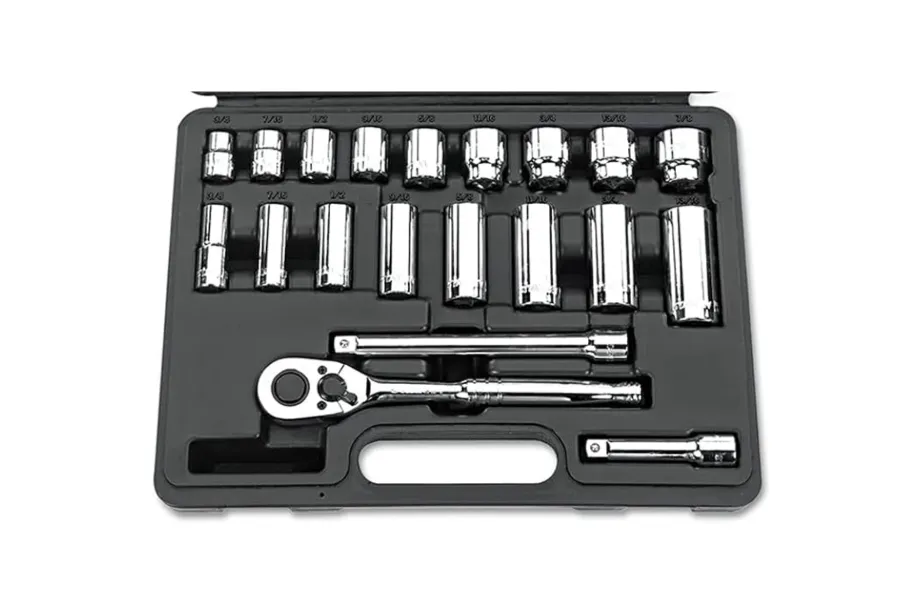
A socket set includes a ratchet and interchangeable sockets designed to apply torque efficiently.
- 10–19 mm sockets cover most repairs
- Most commonly used automotive tool
Technical Insight: Sockets distribute force evenly across bolt heads, reducing the risk of rounding off fasteners.
Use Cases:
- Engine assembly/disassembly
- Suspension work
- Battery removal
In most DIY garages, a socket set is the first tool used and often the most frequently relied upon for both minor and major repairs.
2. Wrench Set
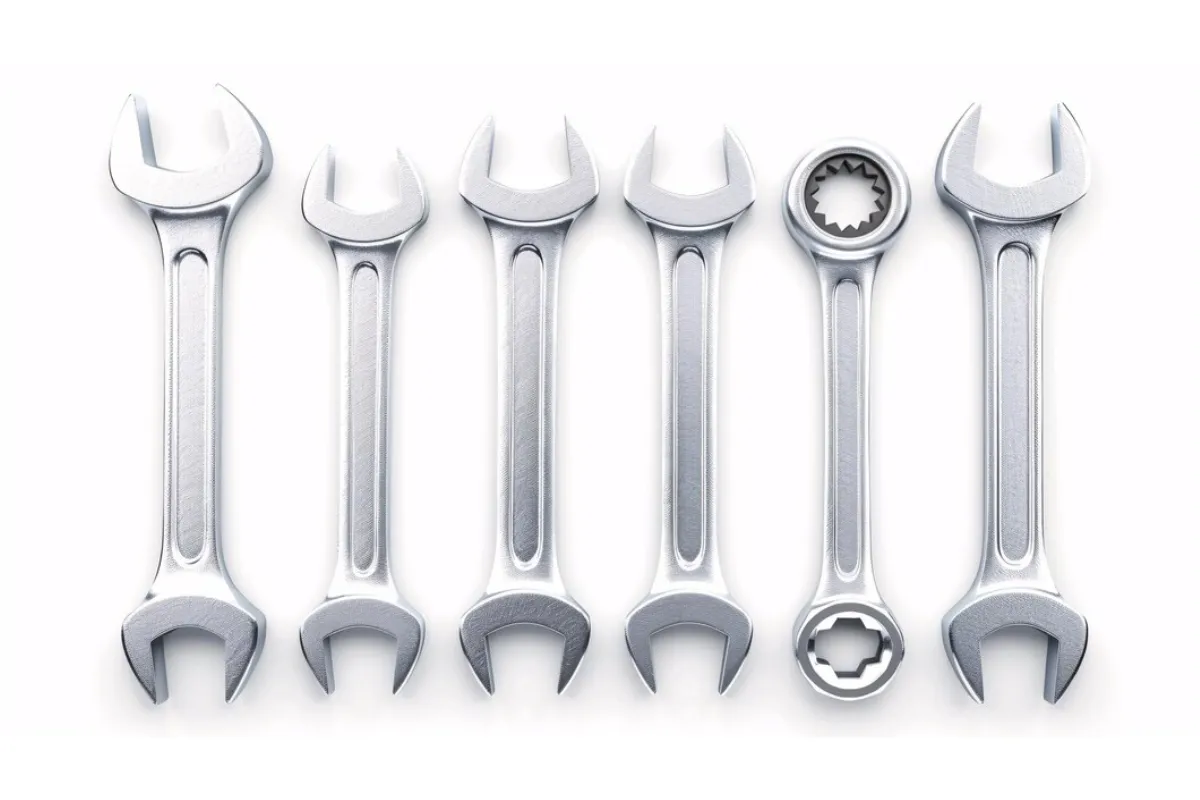
Wrenches are critical for applications where sockets cannot fit. Flare nut wrenches are specifically designed to prevent damage to soft metal fittings in brake and fuel lines.
- Ideal for tight spaces
- Used in brake and fuel systems
3. Screwdriver Set
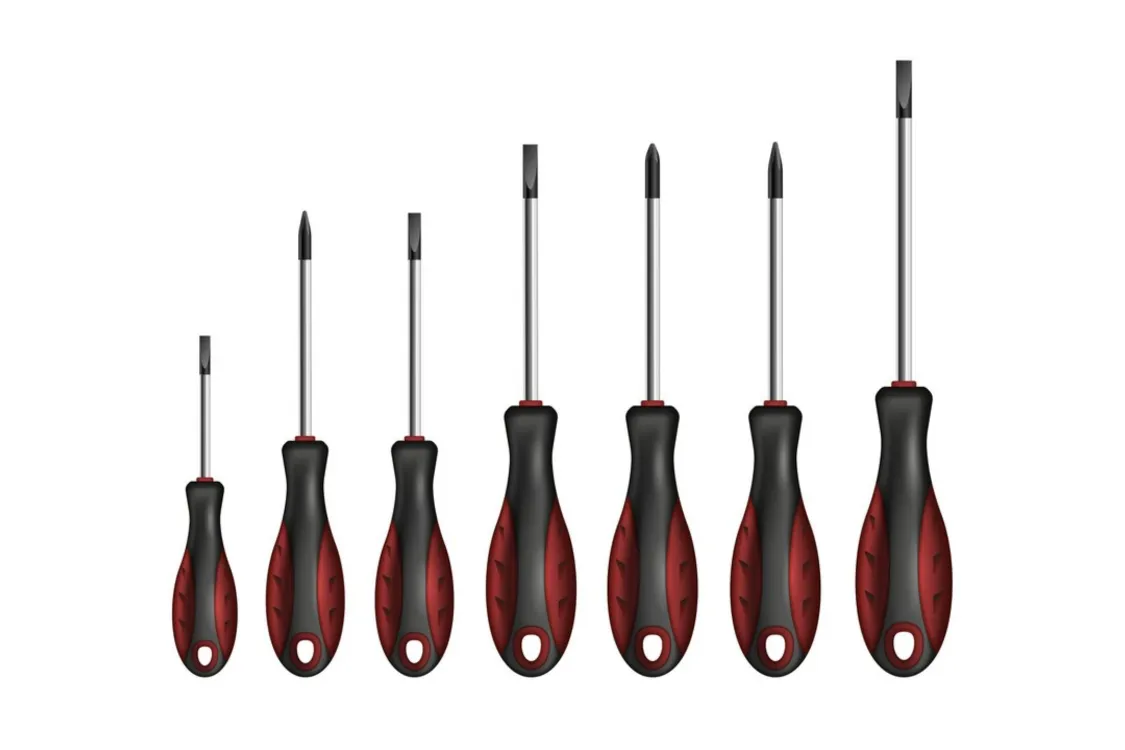
Essential for both structural and electrical components. Using the wrong screwdriver size can strip screw heads, leading to costly repairs.
- Flathead & Phillips
- Used in electrical and interior work
4. Pliers
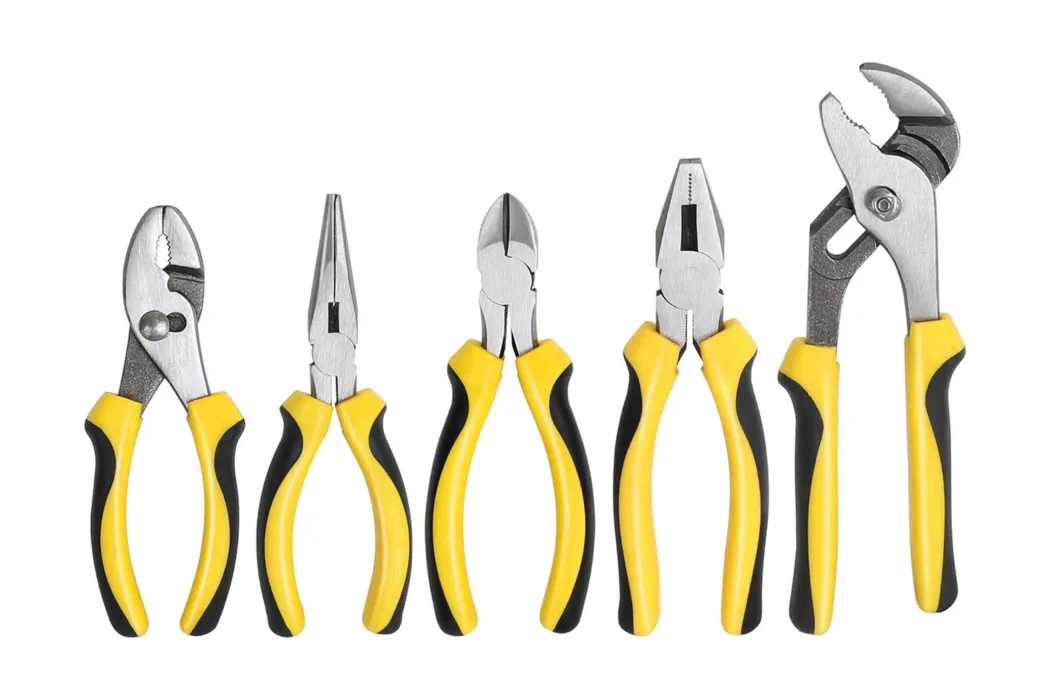
Pliers are versatile tools that can grip, bend, cut, and hold objects. Slip-joint pliers have an adjustable jaw, needle-nose pliers have long, narrow jaws for reaching tight spaces, and locking pliers have a mechanism that allows them to clamp onto objects and hold them in place.
- Used for gripping and cutting
- Useful in emergency fixes
5. Jack and Jack Stands
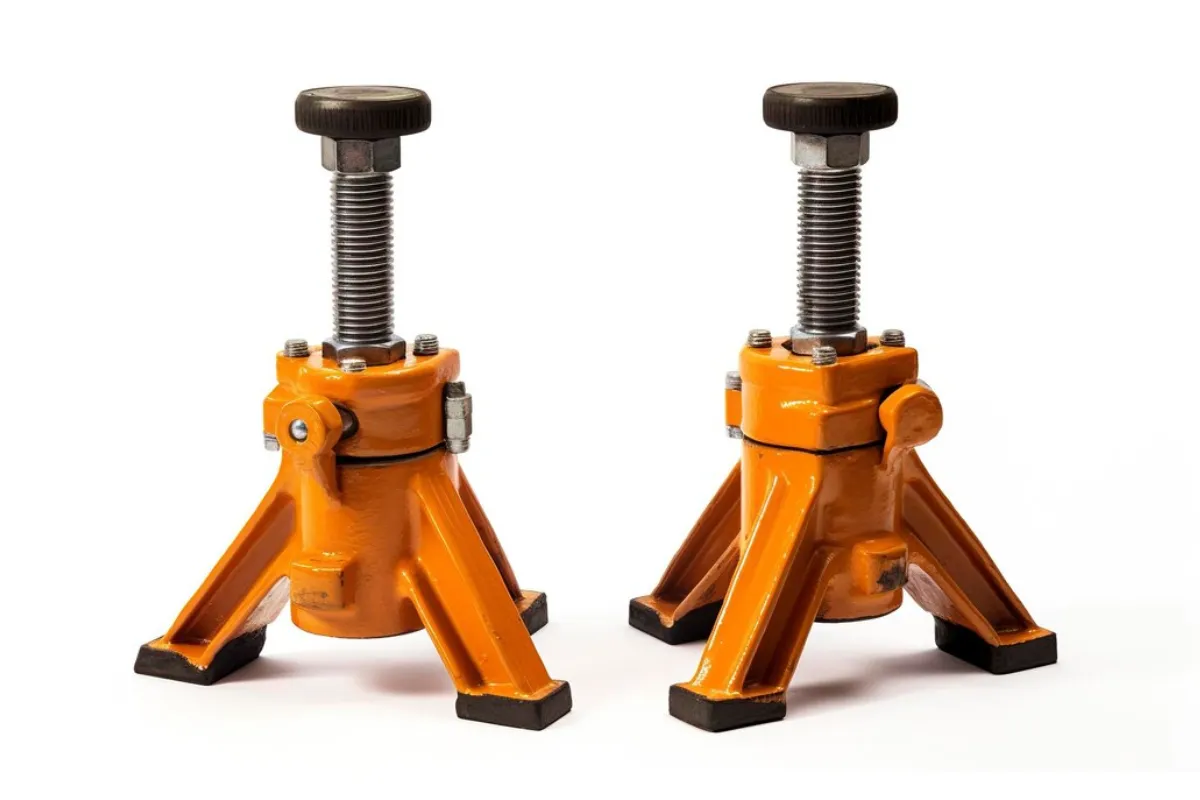
These tools are designed based on load distribution principles.
- Hydraulic jack: Lifts the vehicle
- Jack stands: Provide static load support
- Essential for tire changes
- Must-have roadside tool
Critical Safety Insight: Failure to use jack stands is one of the leading causes of DIY workshop injuries.
A common mistake beginners make is relying only on a hydraulic jack, which can be extremely dangerous without proper support from jack stands
6. Oil Filter Wrench
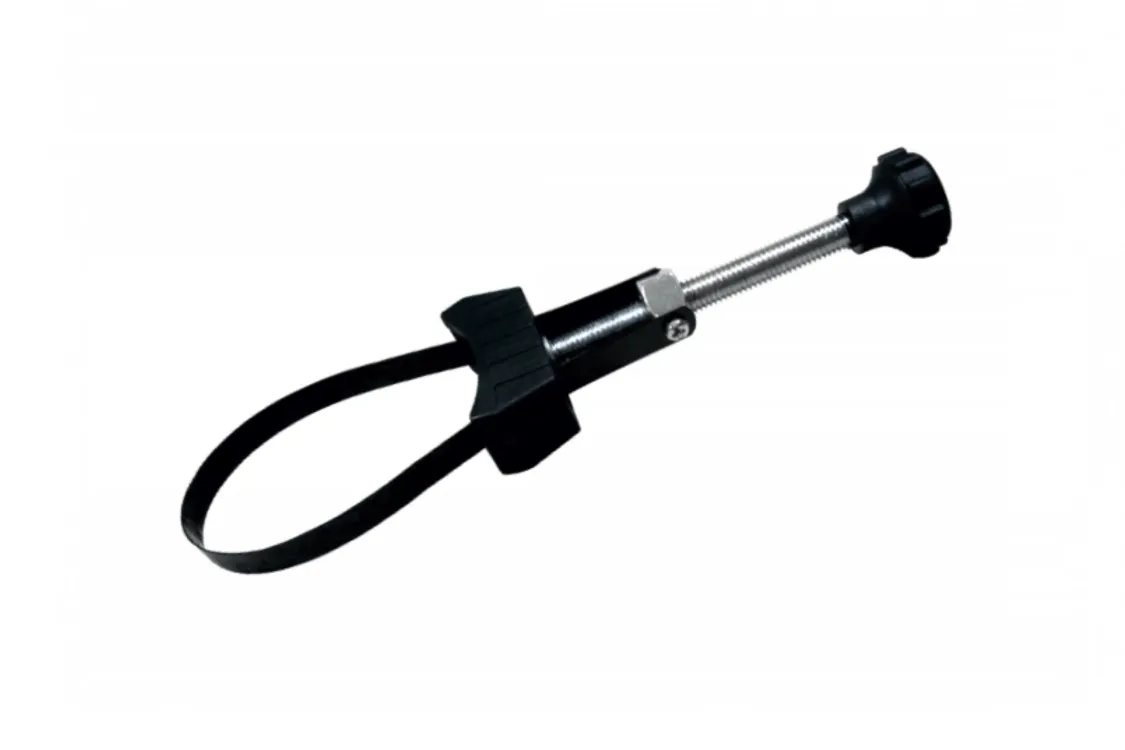
Oil filters tighten due to heat cycles and pressure. Specialized wrenches increase surface contact, preventing slippage.
7. Torque Wrench
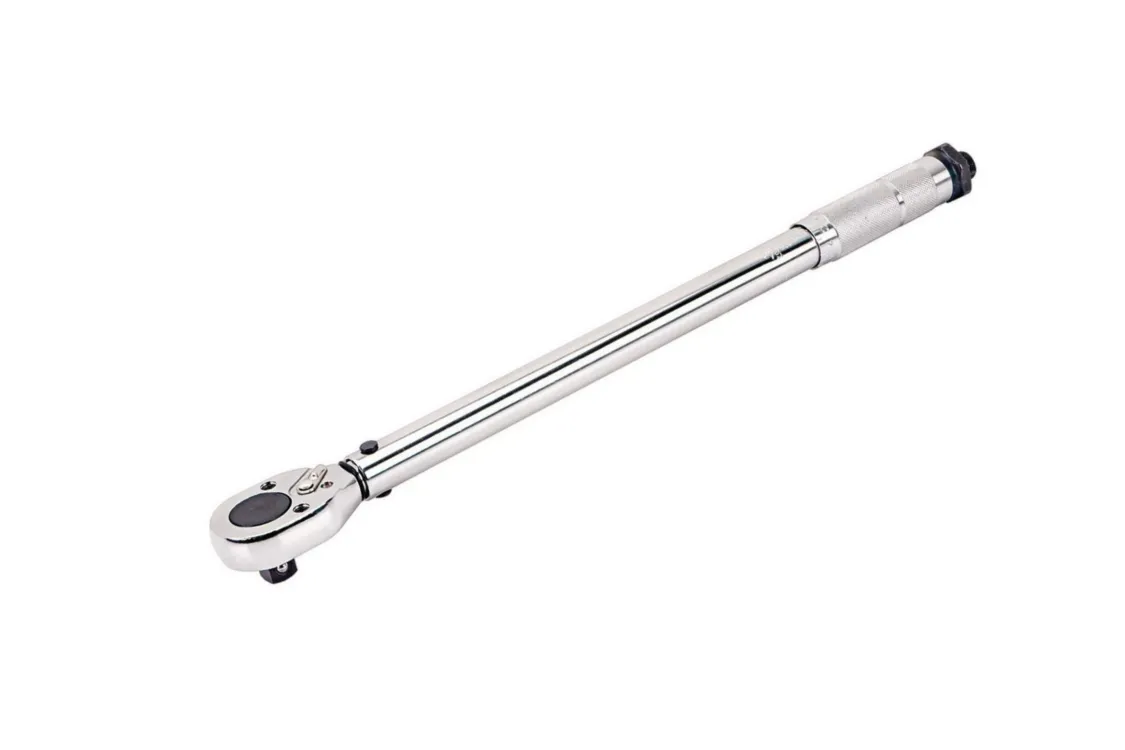
A torque wrench applies a specific rotational force (Nm or lb-ft).
Why It Matters:
- Prevents bolt fatigue
- Maintains structural integrity
- Ensures manufacturer compliance
Example: Overtightening wheel nuts can warp brake rotors.
Many DIY mechanics overlook torque specifications, which can lead to long-term damage in critical components like engine parts and wheels.
8. Multimeter
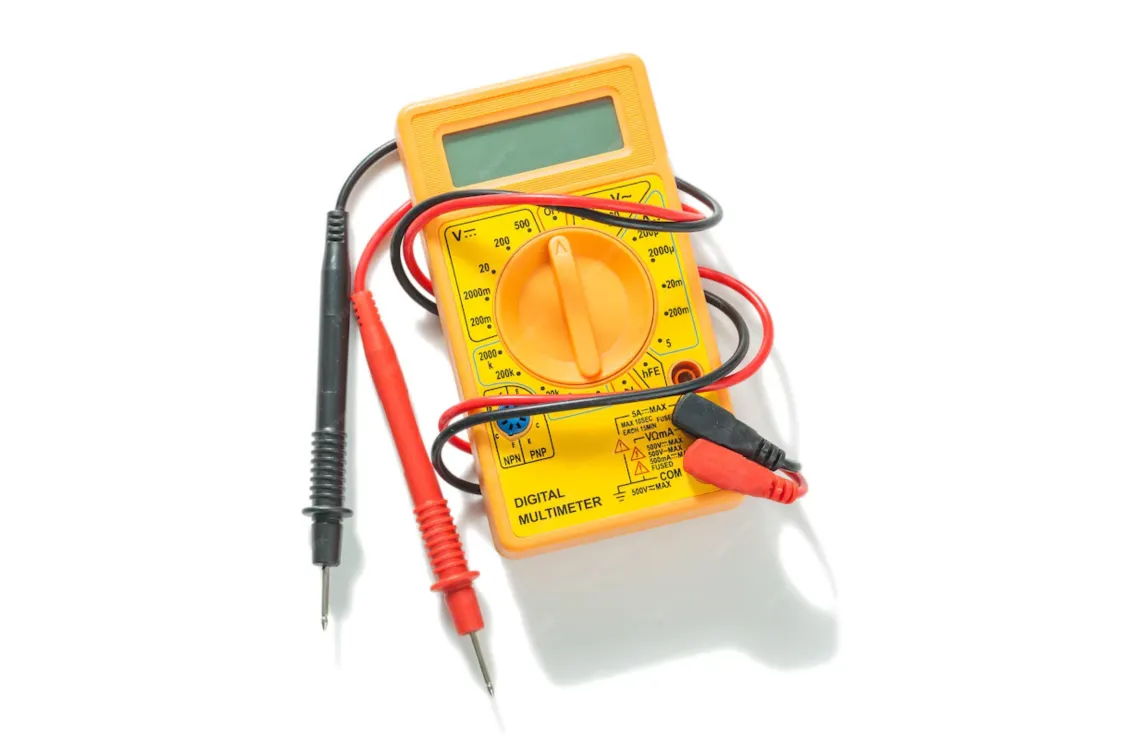
Modern vehicles rely heavily on electronics.
Measures:
- Voltage
- Resistance
- Current
Real Use Case: Diagnosing battery drain or faulty alternators.
9. Brake Bleeder Kit
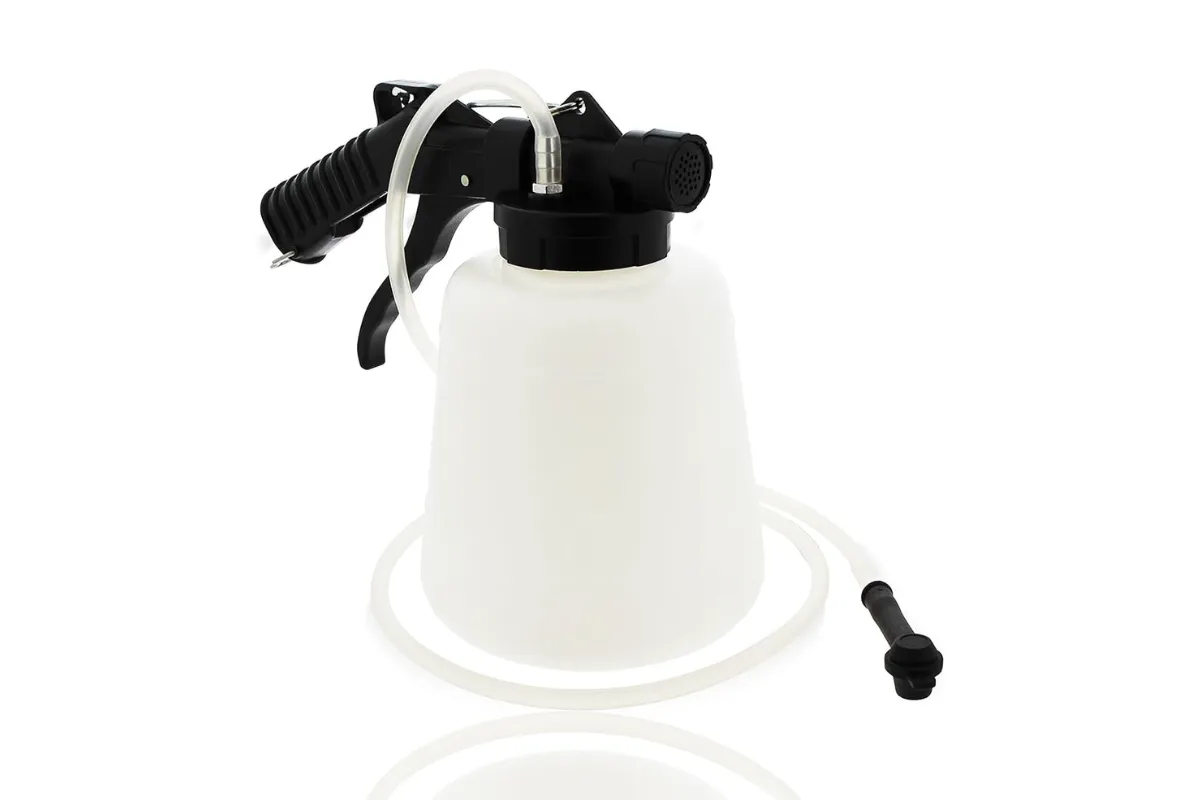
Air compresses, brake fluid does not. Air in brake lines reduces hydraulic pressure, leading to spongy brakes and safety risks.
10. Lug Wrench
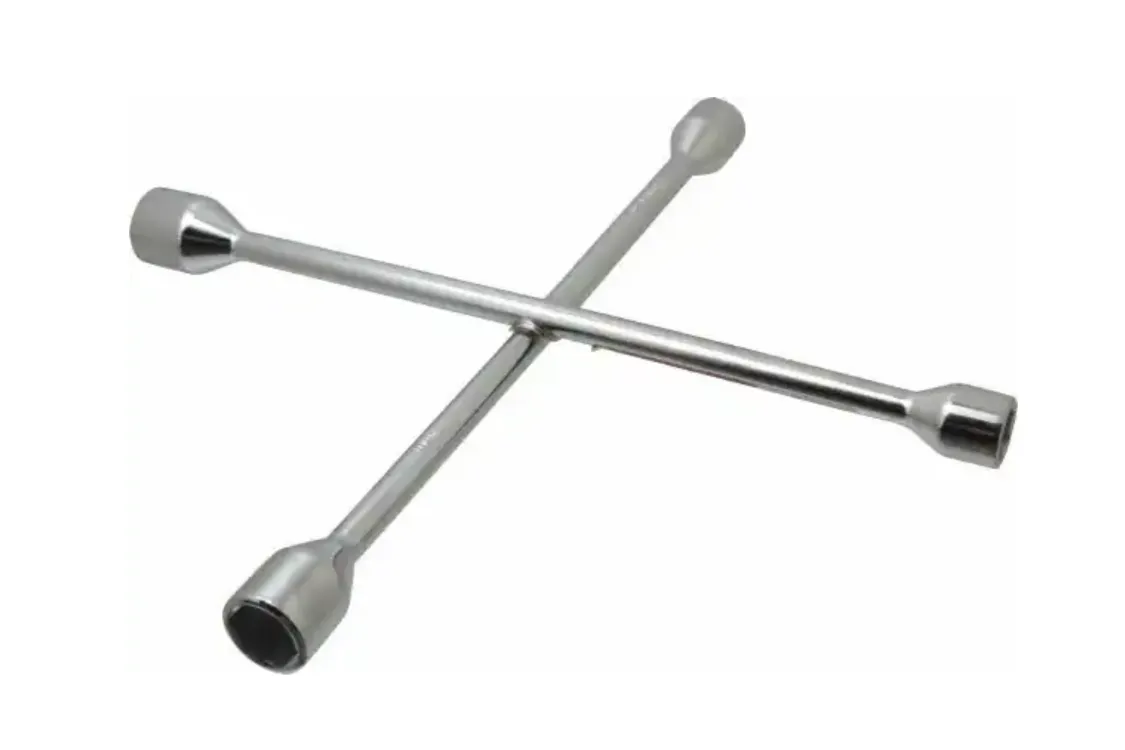
Provides high leverage for loosening tight wheel nuts. Cross-shaped lug wrenches offer better torque distribution.
11. Compression Tester
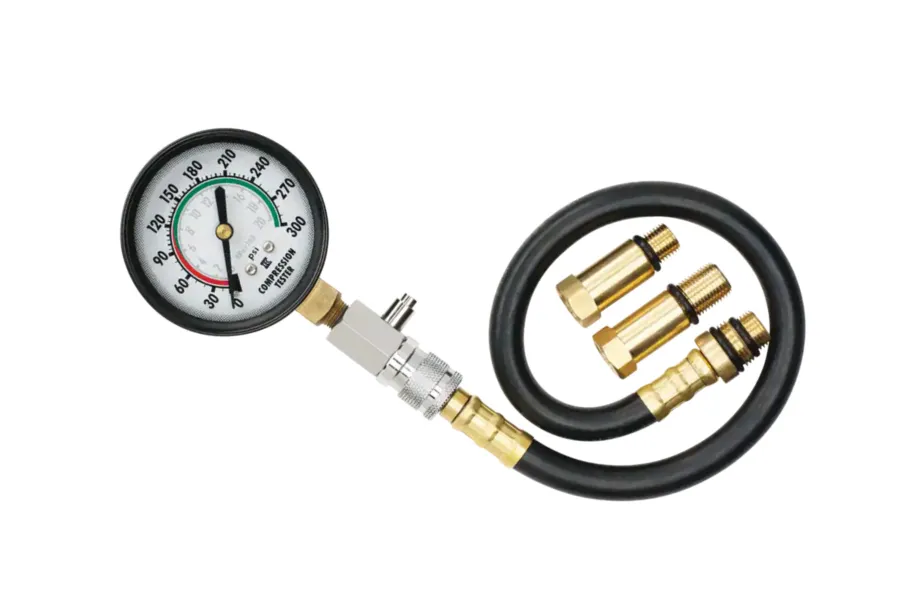
Used to evaluate engine health.
What It Detects:
- Cylinder leakage
- Worn piston rings
- Valve sealing issues
Expert Insight: Uneven compression across cylinders indicates internal engine problems.
12. Funnel Set
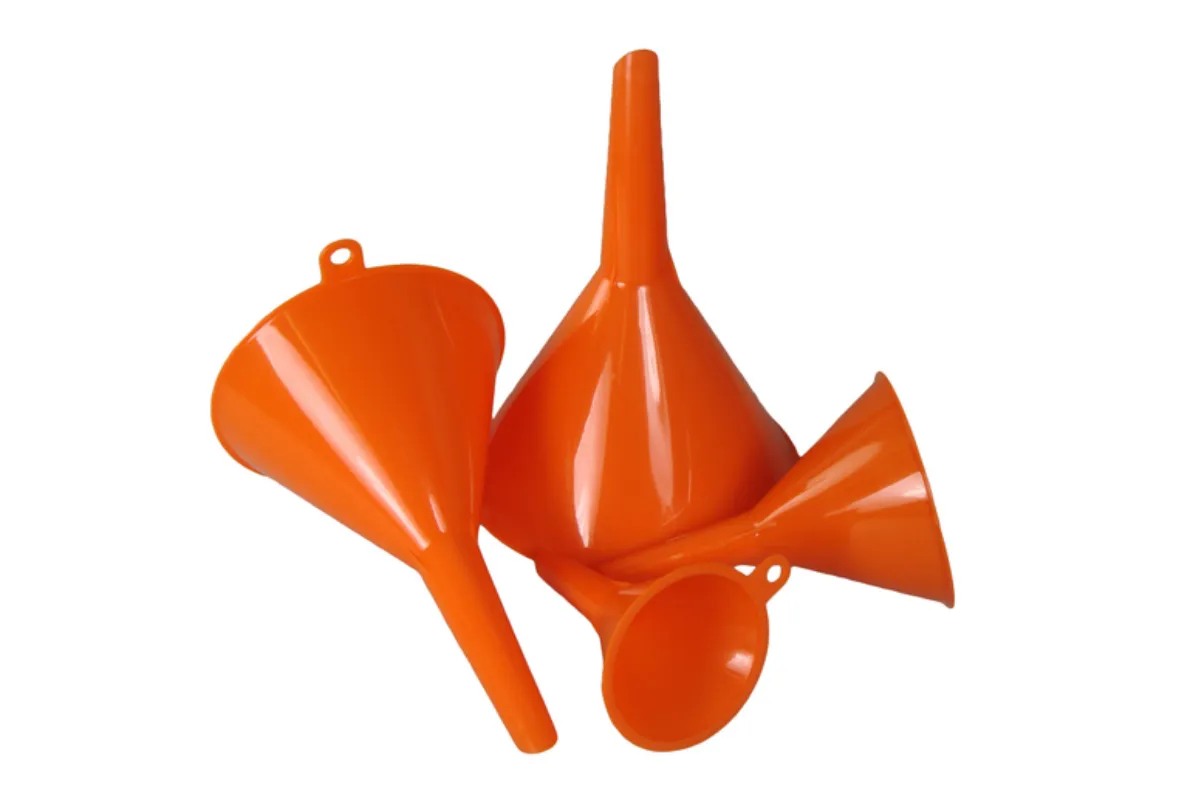
Designed for different fluid viscosities and access points. Flexible funnels are ideal for modern compact engine bays.
13. Rubber Mallet
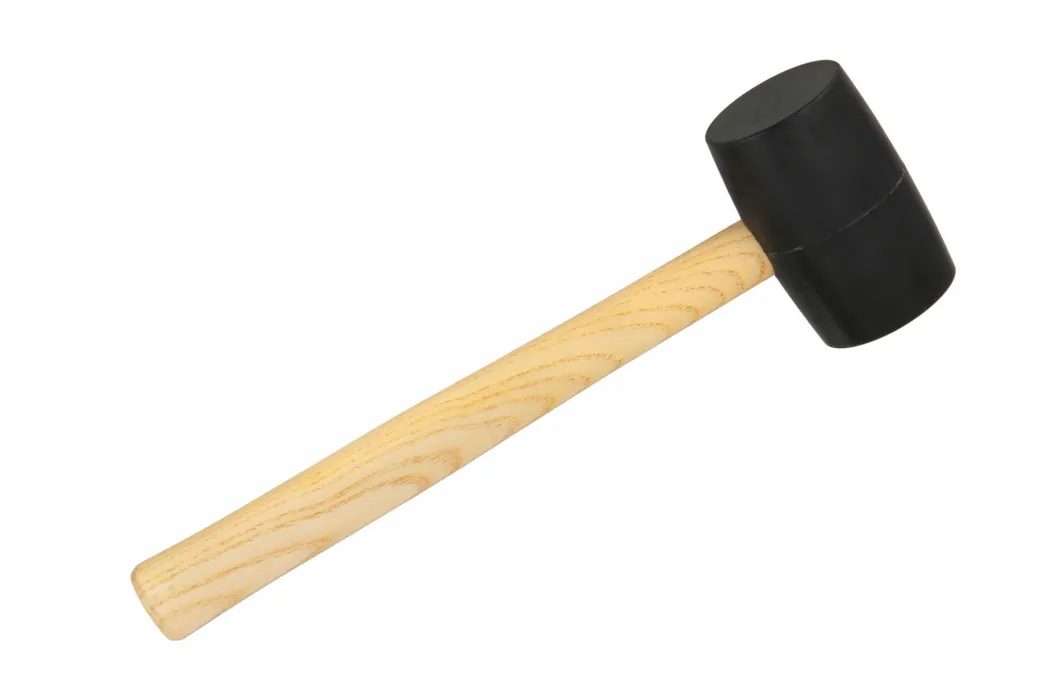
Absorbs impact energy to prevent damage. Installing delicate components like trims or freeing stuck parts.
14. Wire Brushes
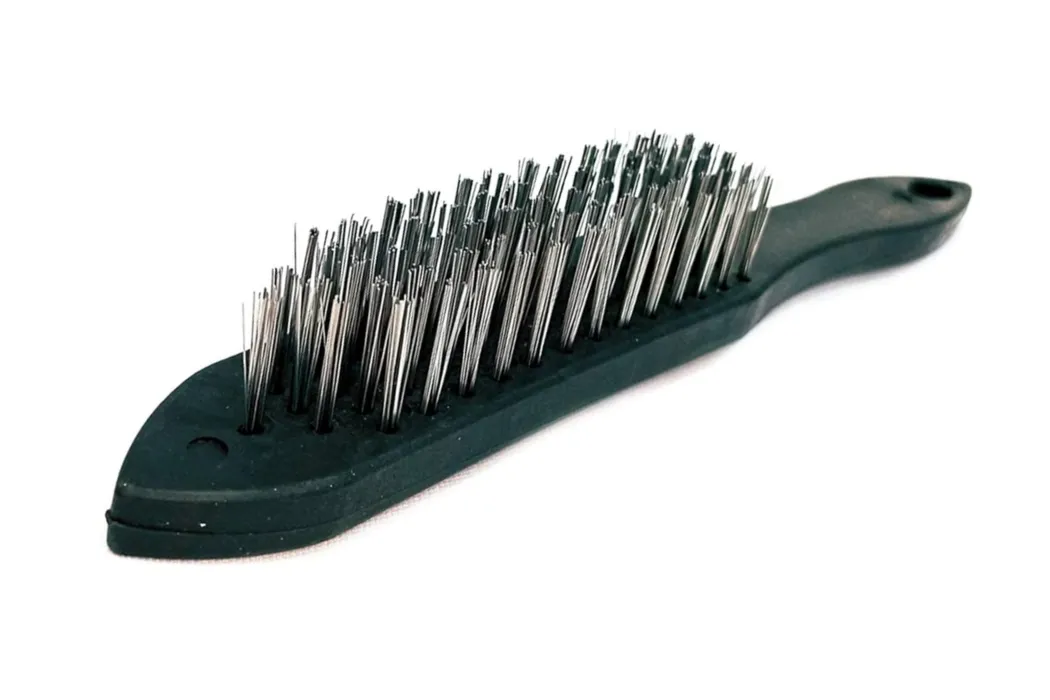
Used to improve electrical conductivity and mechanical contact. Cleaning battery terminals improves current flow.
15. Safety Gear
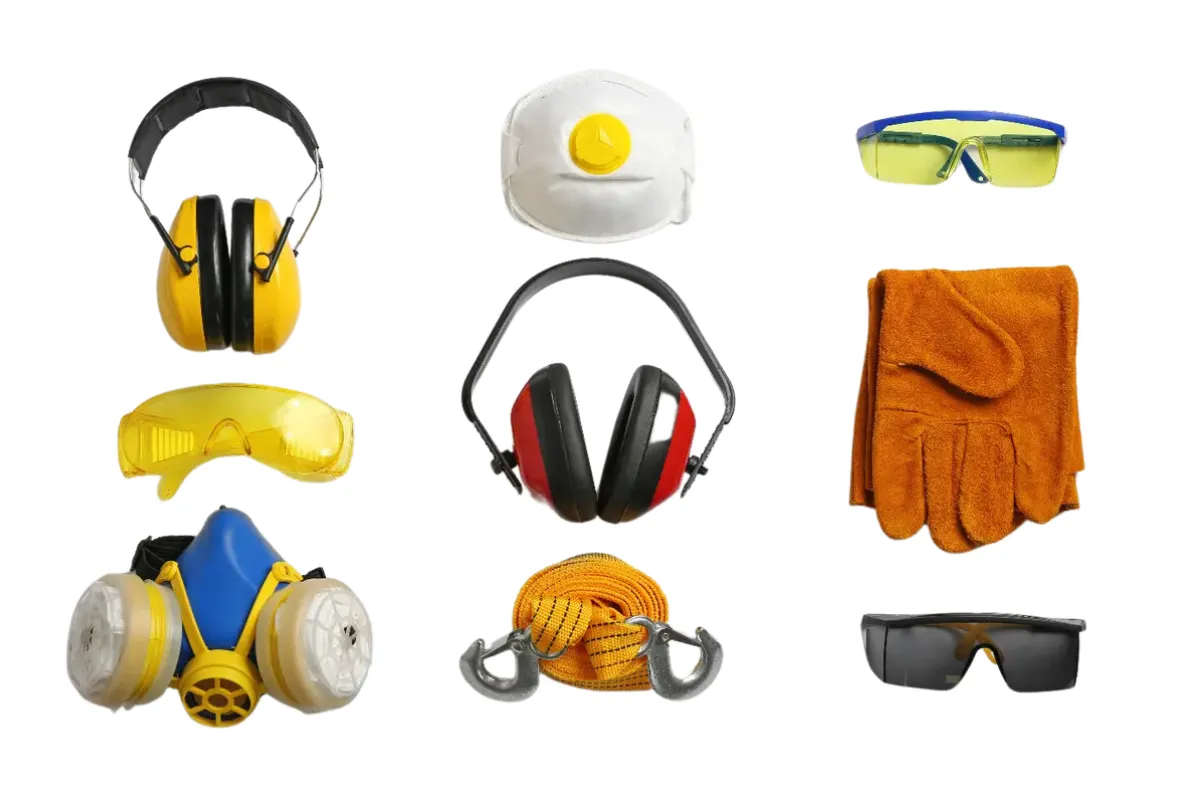
Includes:
- Eye protection
- Gloves
- Ear protection
Industry Standard Insight: Safety compliance is mandatory in professional workshops and equally critical for DIY environments.
16. Jumper Cables
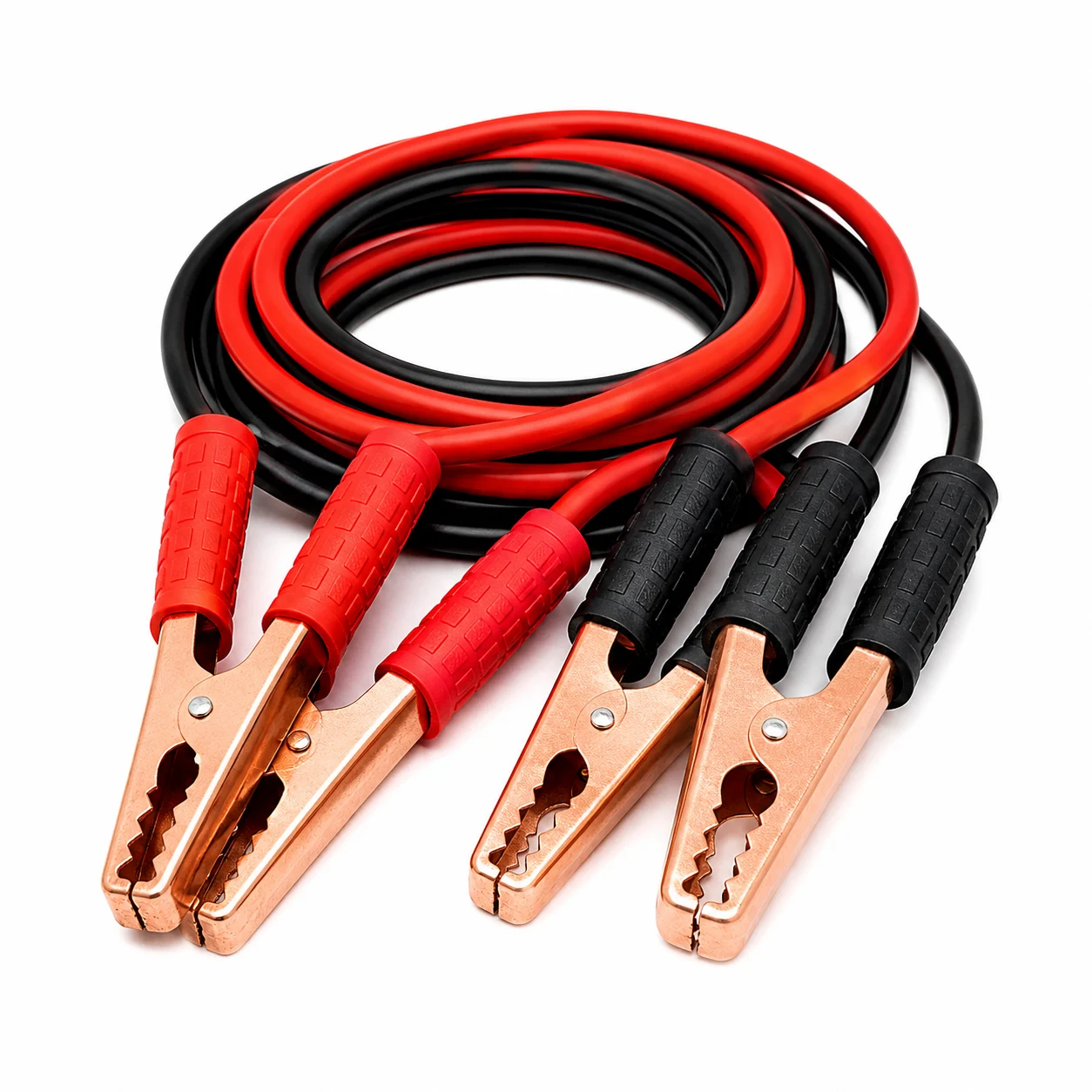
- Helps start a dead battery
17. Tire Pressure Gauge
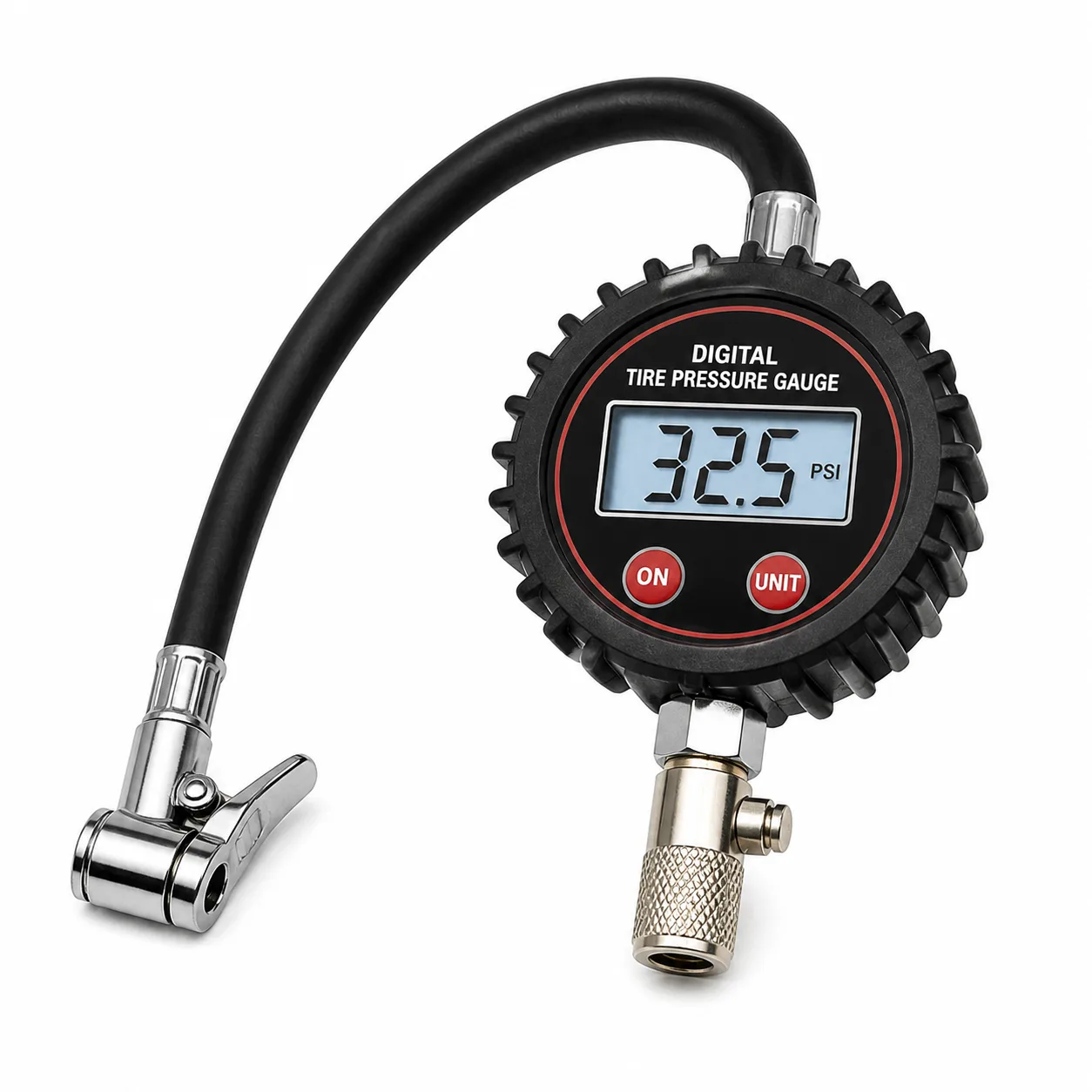
- Maintains proper tire pressure
- Improves safety and mileage
18. Breaker Bar
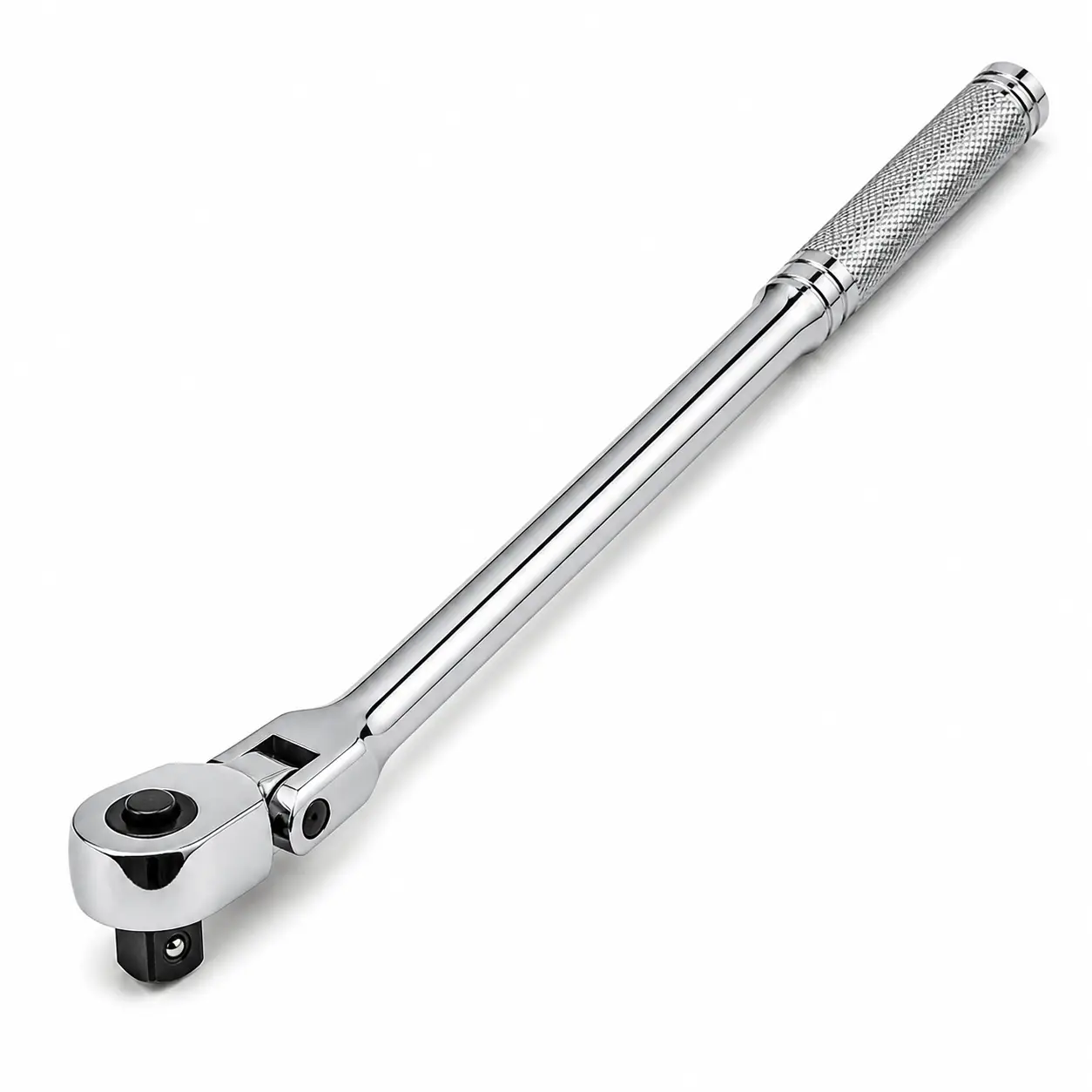
- Tight nuts
19. Hammer
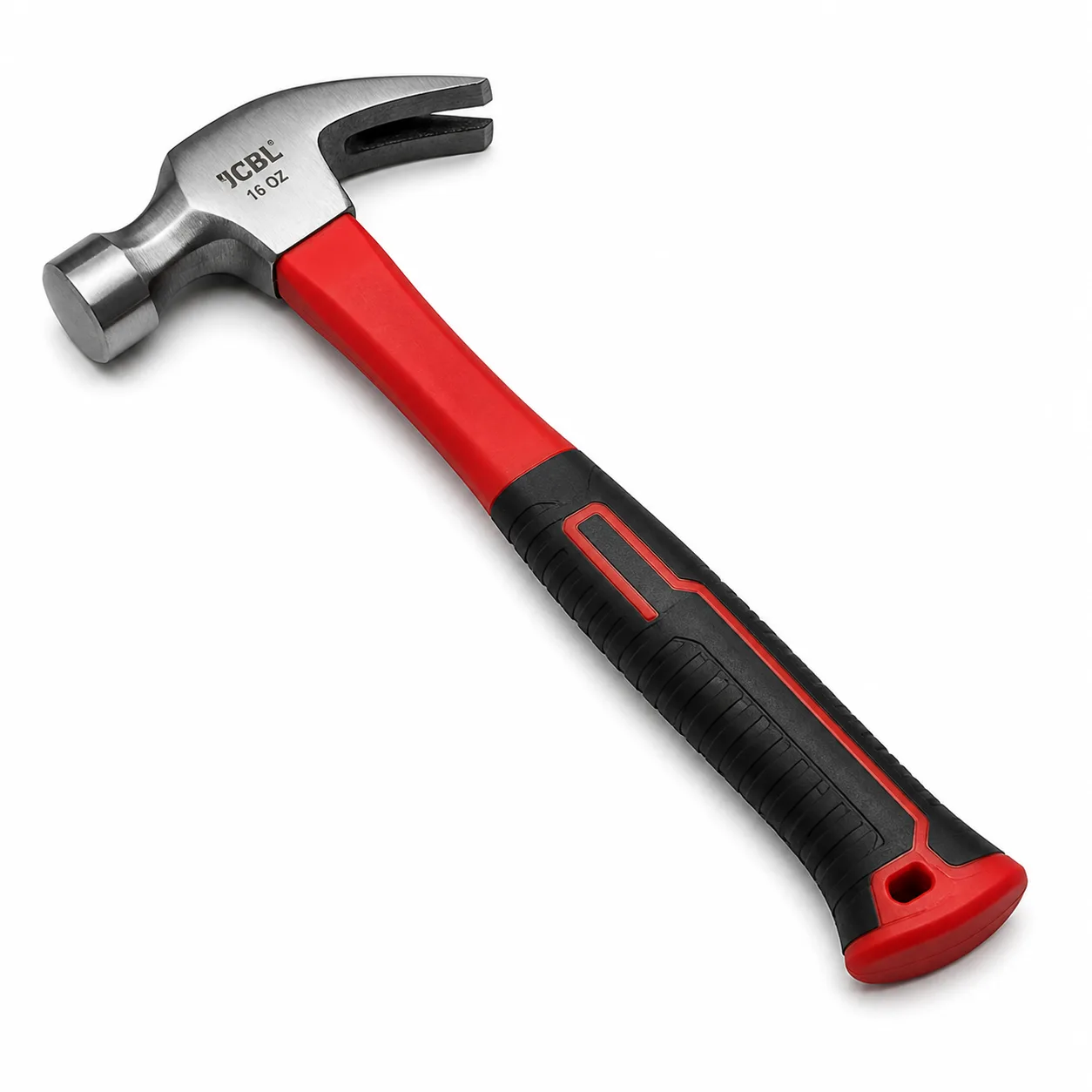
- Hammer for stuck parts
Complete Automotive Mechanic Tools List
Here is a complete mechanic tools list used in automotive repairs:
- Socket set
- Wrench set
- Screwdrivers
- Pliers
- Torque wrench
- Jack & jack stands
- Oil filter wrench
- Multimeter
- Brake bleeder kit
- Lug wrench
- Compression tester
- Funnel set
- Rubber mallet
- Wire brush
- Safety gear
- Jumper cables
- Tire pressure gauge
- Breaker bar
- Hammer
Best Hand Tools for Mechanics
The most essential automotive hand tools include:
- Socket set (most used tool)
- Torque wrench (precision tightening)
- Pliers (multi-purpose use)
- Screwdrivers (basic repairs)
👉 These tools are used in almost every automotive job.
Expert Insight
Professional mechanics rely on high-quality tools because:
“Tool accuracy directly impacts repair quality, safety, and long-term vehicle performance.”
Why High-Quality Automotive Tools Are Critical
High-quality automotive tools are essential for durability, precision, and safety. Tools made from advanced materials like chrome vanadium steel and engineered with precision manufacturing techniques deliver consistent performance, reduce wear and tear, and prevent failures during critical repair tasks.
Tool quality affects:
- Accuracy
- Longevity
- Safety
High-Quality Tools Feature:
- Chrome vanadium steel construction
- Heat treatment for hardness
- Anti-corrosion coatings
- Precision machining
Expert Insight: Inferior tools can fail under torque stress, leading to injuries or component damage.
How to Choose Best Automotive Tools
Choosing the right automotive tools depends on material quality, precision, ergonomics, and compatibility with your vehicle. High-quality, well-designed tools improve repair efficiency, reduce physical strain, and ensure long-term reliability for both DIY mechanics and professionals.
- Material Strength: Forged steel tools last longer under stress.
- Ergonomics: Reduces fatigue during extended repairs.
- Precision Fit: Prevents slipping and bolt damage.
- Tool Compatibility: Metric vs imperial compatibility matters.
- Manufacturer Reputation: Ensures consistent quality and performance.
Conclusion
Automotive tools form the foundation of efficient and reliable vehicle maintenance. With the right tools in hand, DIY mechanics can perform accurate repairs, reduce long-term maintenance costs, and significantly improve overall vehicle reliability. However, achieving consistent results depends on using the correct tools for each task, understanding their proper application, and always prioritizing safety and quality during every repair.
JCBL Hand Tools, part of the JCBL Group (established in 1989), represents a strong foundation in engineering-led manufacturing across automotive and industrial sectors, reflecting the importance of quality and precision in tool design.
Ultimately, a well-equipped automotive toolbox is not just a convenience—it is a long-term investment that enhances performance, ensures safety, and supports dependable vehicle operation over time.
FAQs
Essential car tools include a socket set, spanners, screwdrivers, pliers, torque wrench, car jack, lug wrench, jumper cables, tire pressure gauge, and OBD2 scanner for maintenance and repairs.
Automotive hand tools are manual tools like wrenches, screwdrivers, pliers, and socket sets used for vehicle repair and maintenance.
Automotive tools include hand tools, power tools, diagnostic tools, and specialized automotive tools.
Basic car tools include socket set, wrenches, screwdrivers, pliers, jack, lug wrench, jumper cables, and tire pressure gauge.
Every vehicle should have a jack, lug wrench, jumper cables, flashlight, and a basic tool kit for emergencies.
Mechanics use socket sets, torque wrenches, diagnostic tools, multimeters, and service tools.
A mechanic tools list includes essential tools like socket sets, wrenches, screwdrivers, pliers, and diagnostic tools.
Automotive specialty tools are tools designed for specific tasks like torque wrenches, brake bleeder kits, and compression testers.
Common tools include socket set, wrenches, screwdrivers, pliers, torque wrench, jack, multimeter, oil filter wrench, lug wrench, and brake tools.
Every car should have a jack, lug wrench, jumper cables, flashlight, and a basic tool kit.
Related Tool Guides:
- 15 Essential Motorcycle Tools Every Rider Should Carry – Essential tools every rider should keep for emergencies.
- A Complete Guide to Workshop Hand Tools – Learn about different types of hand tools and their uses in workshops.