Wholesale Tools: How to Choose the Best Suppliers & Bulk Distributors
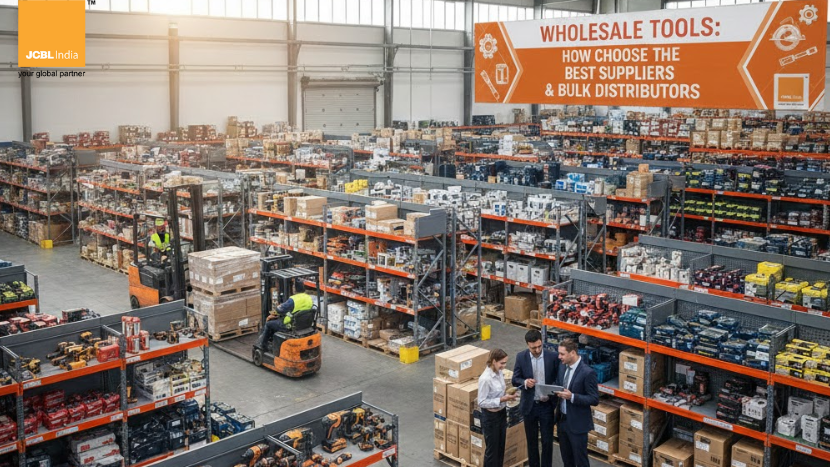
Wholesale tools are hand or power tools purchased in bulk directly from manufacturers or distributors at discounted rates for resale, industrial use, or large-scale operations.
Choosing the right supplier ensures consistent product quality, stable pricing, and a reliable supply chain, critical for long-term profitability in tool distribution businesses.
Key Takeaways
- The right supplier impacts quality, margins, and supply chain reliability
- Manufacturers provide lower costs and customization, while distributors offer speed and variety
- Certifications like ISO, DIN, and ANSI indicate durability and compliance
- Logistics, lead times, and inventory support are as important as pricing
- Verifying suppliers through samples, audits, and track record reduces business risk
Wholesale Tools Market Overview: Growth Trends & Demand Drivers
The global tools market is experiencing steady growth, driven by expanding industrial activity, infrastructure development, and rising demand from both professionals and DIY users. According to industry estimates, the market reached approximately USD 47.08 billion in 2025 and is projected to grow at a CAGR of 5.5% between 2026 and 2035, potentially reaching USD 80.42 billion by 2035.
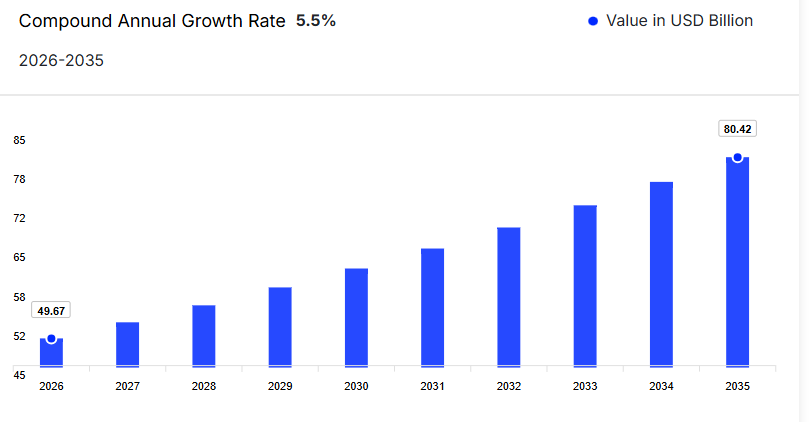
Source: https://www.expertmarketresearch.com/reports/tools-market
Key Demand Drivers Shaping the Market
1. Infrastructure & Construction Growth
The construction sector remains the largest consumer of hand and power tools, fueled by ongoing infrastructure projects and urban development. This drives consistent demand for durable, high-performance tools in bulk.
2. Automotive Industry Transformation
The shift toward electric vehicles (EVs), which now account for a growing share of global vehicle sales, has increased demand for specialized automotive tools designed for new technologies and precision work.
3. Industrial Production Expansion
Post-pandemic industrial recovery across sectors such as manufacturing, mining, and utilities has significantly increased the need for heavy-duty and industrial-grade tools.
4. Rise of DIY and Home Improvement
The growing popularity of DIY projects, especially in developed markets where a significant percentage of consumers engage in home improvement, has boosted demand for affordable, user-friendly tools at scale.
What This Means for Wholesale Buyers
- A growing and competitive market brings both opportunities and risks.
- Increased competition has led to price variation and inconsistent quality across suppliers
- Demand fluctuations require a reliable bulk supply and inventory planning
- Specialized industries now require category-specific tools and certifications
In a rapidly expanding market, businesses that partner with reliable, scalable, and quality-focused suppliers are better positioned to maintain consistent supply, reduce risk, and capitalize on growth opportunities.
How the Wholesale Tools Market Impacts Supplier Selection
The global tools market is expanding steadily due to infrastructure growth, automotive evolution, and rising DIY adoption. This growth has led to:
- Increased demand for durable, high-performance tools
- Greater competition among suppliers
- Wider availability of low-cost but inconsistent-quality products
For buyers, this means supplier selection is no longer just about pricing—it’s about risk management.
For example, a contractor sourcing low-cost tools without certification may face frequent tool failure, leading to project delays and higher long-term costs.
How to Choose the Best Wholesale Tool Supplier
Selecting a supplier requires evaluating both product quality and operational capability.
1. Manufacturing Capability & Technical Expertise
Suppliers with in-house manufacturing offer better control over:
- Raw material selection (e.g., chrome vanadium steel for durability)
- Heat treatment processes
- Tool design and precision
Why it matters: Poor metallurgy or finishing can lead to tool breakage, safety risks, and returns.
2. Quality Standards & Certifications
Certifications are not just labels; they indicate performance benchmarks.
Look for:
- ISO: Quality management systems
- DIN: European engineering standards
- ANSI: Performance and safety standards
Example: DIN-certified spanners ensure torque strength and dimensional accuracy, reducing failure during heavy-duty use.
3. Product Range & Category Depth
A strong supplier should offer category depth, not just variety.
Instead of just “pliers,” they should provide:
- Combination pliers
- Long nose pliers
- Circlip pliers
- Insulated pliers
Why it matters: This allows buyers to serve multiple customer segments without switching suppliers.
4. Bulk Supply Capacity & Production Scalability
Evaluate:
- Monthly production capacity
- Lead times for large orders
- Ability to handle demand spikes
Real-world scenario: If your supplier cannot scale during peak demand, you risk stockouts and lost sales.
5. Pricing Structure & Margin Visibility
Look beyond base pricing:
- Volume-based discounts
- Credit terms
- Cost stability over time
A slightly higher-priced supplier with consistent quality often results in lower return rates and better margins.
6. Logistics, Packaging & Export Capability
Efficient logistics includes:
- Protective bulk packaging (anti-rust, moisture-resistant)
- Barcode/labeling support
- Export documentation compliance
Why it matters: Improper packaging can lead to damage in transit and increased replacement costs.
7. After-Sales Support & Warranty
Professional suppliers offer:
- Product warranties
- Replacement policies
- Technical support
This is a strong indicator of supplier confidence in product quality.
Manufacturer vs Distributor: Strategic Sourcing Decision
| Factor | Manufacturer | Distributor |
| Pricing | Lower due to no middlemen | Higher |
| Customization | OEM/private labeling available | Limited |
| MOQ | Higher | Flexible |
| Product Range | Specialized | Multi-brand variety |
| Lead Time | Longer | Faster |
| Relationship Value | Long-term strategic | Transactional |
When to Choose What:
- Choose manufacturers if you want branding, better margins, and bulk scaling
- Choose distributors if you need quick stock and multiple brands in small quantities
Why Supplier Selection Directly Impacts Business Growth
A reliable supplier strengthens your entire supply chain ecosystem.
Key Business Impacts:
- Inventory Stability: Reduces stockouts and overstocking
- Customer Satisfaction: Consistent quality builds trust
- Operational Efficiency: Faster fulfillment cycles
- Cost Control: Lower defect rates and returns
Many businesses fail not due to lack of demand, but due to inconsistent supply and poor product quality.
How to Verify a Wholesale Tool Supplier
Before finalizing a supplier, follow a structured verification process:
Step 1: Request Product Samples
Test for:
- Build quality
- Finish and ergonomics
- Strength under usage
Step 2: Validate Certifications
Request official documentation, not just claims.
Step 3: Assess Manufacturing Capability
- Factory audits (if possible)
- Machinery and production setup
Step 4: Check Market Reputation
- Existing clients
- Export markets
- Industry presence
Step 5: Run a Trial Order
Start with a small bulk order to evaluate:
- Delivery timelines
- Product consistency
- Communication efficiency
Common Mistakes to Avoid When Sourcing Wholesale Tools
Avoid these high-impact mistakes:
- Prioritizing low price over durability
- Ignoring certifications and compliance standards
- Choosing suppliers without scalability
- Overlooking logistics and packaging quality
- Not testing products before bulk purchase
These mistakes often lead to higher long-term costs, customer complaints, and brand damage.
Why Businesses Choose JCBL Hand Tools
JCBL Hand Tools has established itself as a reliable supplier by focusing on manufacturing control, product quality, and distribution efficiency.
Key Capabilities:
- In-house manufacturing aligned with international standards
- Diverse product portfolio across automotive, construction, and industrial tools
- Scalable production for bulk and OEM requirements
- Export-ready packaging and global logistics support
- Strong distribution network ensuring consistent supply
These factors make it a practical choice for businesses looking for long-term supplier partnerships rather than short-term sourcing.
Conclusion
Choosing the right wholesale tool supplier is not just a procurement decision—it is a strategic business move that affects product quality, operational efficiency, and profitability.
Businesses that evaluate suppliers based on technical capability, certifications, scalability, and logistics strength are better positioned to build resilient supply chains and sustain long-term growth in an increasingly competitive market.
FAQs
Wholesale tools are tools purchased in bulk at discounted rates from manufacturers or distributors for resale or industrial use.
MOQ varies by supplier but is typically higher for manufacturers and lower for distributors.
Request samples, verify certifications, and conduct trial orders before committing to large volumes.
Manufacturers are better for long-term growth due to cost advantages and customization options.
Related Post
Wholesale Tools: How to Choose the Best Suppliers & Bulk Distributors
In the current rapidly growing industries and consumer markets, the need for wholesale tools has [...]
Hand Tools from India: Why Global Importers Trust Indian Manufacturers
In recent years, the hand tools from India have gained popularity in the global market. [...]
Principal fornecedor e exportador de ferramentas manuais para o Brasil
A JCBL Hand Tools é um fabricante de ferramentas manuais na Índia, com foco exclusivo [...]