Cutting Pliers: Types, Uses, Safety Tips & How to Choose the Right Tool

- What Are Cutting Pliers? (Cutting Pliers Meaning & Definition)
- Types of Cutting Pliers (The Ultimate Taxonomy)
- Deep Dive: What Can Cutting Pliers Cut?
- Technical Comparisons: Wire Cutters vs Pliers
- How to Use Cutting Pliers Properly
- Safety Tips When Using Cutting Pliers
- How to Choose the Best Cutting Pliers
- Maintenance Tips for Cutting Pliers
- Final Thoughts
- FAQs
Cutting pliers are essential hand tools used for cutting wires, cables, pins, and soft metals in electrical, industrial, automotive, fencing, and DIY applications. From precision electronics to heavy-duty wire cutting, the right cutting pliers improve accuracy, safety, and work efficiency.
If you are searching for:
- What are cutting pliers used for
- Best cutting pliers
- Side cutting pliers
- Diagonal cutting pliers
- Wire cutter pliers
- Cutting pliers for metal
This guide covers everything in a simple, expert-backed format.
What Are Cutting Pliers? (Cutting Pliers Meaning & Definition)
Cutting pliers are specialized hand cutting tools designed with sharp, hardened jaws that apply strong mechanical pressure to cut materials cleanly. Unlike regular pliers that mainly grip, twist, or bend objects, the primary cutting pliers function is optimized for wire cutting, trimming, shearing, and flush-cutting applications.
What Are Cutting Pliers Used For?
What are cutting pliers used for? Cutting pliers are mainly used for cutting wires, cables, small metal parts, fencing wires, zip ties, and electrical components in electrical, industrial, agricultural, and home repair applications.
Common Uses of Cutting Pliers
- Cutting electrical wires and communication cables
- Trimming copper, aluminum, and soft steel wires
- Electronics repair and PCB lead trimming
- Sheet metal work and wire mesh cutting
- Fencing installation and agricultural maintenance
- Industrial maintenance, DIY, and workshop tasks
Types of Cutting Pliers (The Ultimate Taxonomy)
Understanding the different types of pliers and cutters helps you choose the best wire cutters for your specific project. Here is the complete classification:
1. Diagonal Cutting Pliers (Side Cutting Plier / Side Cutters)
Diagonal cutting pliers, also commonly known as a side cutting plier, diagonal cutters, or side cutter pliers, are among the most popular wire cutting tools in the world. Their angled jaws allow users to cut wires flush against surfaces, making them ideal for electrical and precision work.
- Best For: Electrical wires, copper wire cutting, cable trimming, electronics work, and DIY repairs.
- Side Cutting Pliers Uses: Clean, flush-cutting of components close to the base.
2. Lineman’s Pliers (Lineman Pliers)
Lineman’s pliers are versatile cutting and holding tools widely preferred by professionals. The primary lineman pliers purpose is to provide a dual-function jaw that can grip heavy objects and twist wires, combined with a built-in heavy-duty side cutting tool.
- Linesman Pliers Use: Heavy-duty electrical installations, twisting solid conductors together, and gripping flat materials.
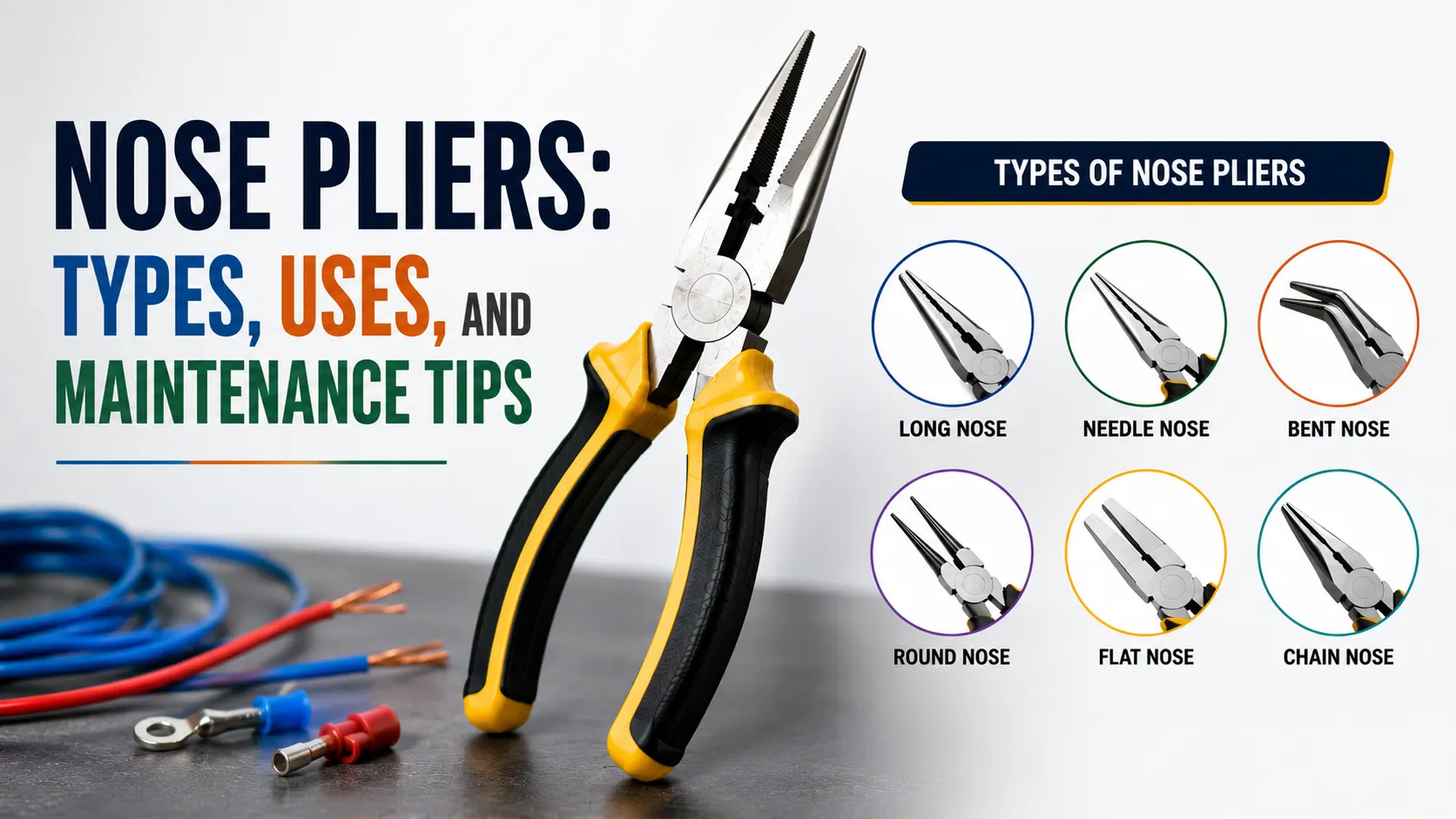
3. Long Nose or Needle-Nose Cutting Pliers
Long nose or needle-nose cutting pliers feature elongated, tapered jaws designed to reach into tight, cramped spaces where standard pliers cannot fit. They feature a built-in cutting edge near the pivot joint, making them a hybrid tool for gripping and trimming.
- Best For: Reaching deep into electrical boxes, holding small components, bending loops in wire, and precision trimming in tight spaces.
4. Precision Cutting Pliers
Precision cutting pliers are compact, ultra-sharp tools designed for delicate and detailed cutting tasks where standard pliers are too bulky.
- Common Applications: Electronics repair, jewelry making, PCB work, and fine wire cutting.
- Key Feature: Their smaller cutting edges help improve control, accuracy, and precision.
5. Heavy Duty Cutting Pliers
Heavy-duty cutting pliers are engineered with high-leverage joints and hardened steel jaws to handle thicker wires and tougher industrial materials.
- Best For: Thick electrical cables, steel wire, industrial maintenance, and construction work.
- Sheet Metal Cutting Pliers: These tools offer the extra cutting power required for cutting wire mesh and thin sheet metal.
6. End Cutting Plier (End Cutters)
An end cutting plier (often called end nippers or end cutters) has cutting edges aligned at right angles ($90^\circ$) to the handles. This allows them to cut close or flush against a flat surface.
- Best For: Cutting nails, rivets, springs, and wire close to the workpiece surface. Widely used in carpentry, shoemaking, and tie-wire work.
7. Top Cutter (Top Cutting Pliers)
Top cutters are very similar to end cutters but often feature a slightly different jaw profile designed for top-down cutting action. They provide extreme leverage for pulling out embedded fasteners and shearing tough wire flush with a substrate.
- Best For: Cutting heavy wire staples, pulling nails, and trimming component pins from above.
8. Tin Clip Plier With Spring
A tin clip plier with spring combines the profile of heavy-duty shears with a plier-style grip and an integrated return spring. The spring mechanism significantly reduces hand fatigue by automatically opening the jaws after each cut.
- Best For: Precision cutting of thin sheet metal, tin plates, aluminum flashing, and wire mesh without tiring your hands.
9. Fence Plier (Fencing Pliers)
A fence plier is the ultimate multi-tool for agricultural, farm, and ranch maintenance. This heavy-duty tool combines a hammer head, staple puller, wire splicer, wire grip, and multiple wire cutting slots all in one heavy tool.
- Best For: Installing, repairing, and cutting heavy barbed wire, smooth fencing wire, and wire mesh staples.
10. Specialized Wire Cutter Pliers
Wire cutter pliers are highly focused tools designed specifically for clean shearing of electrical and communication wires without crushing the core.
- Professionals Use Them For: Electrical installations, cable management, appliance repair, and networking work.
Deep Dive: What Can Cutting Pliers Cut?
Depending on the tool type, build quality, and cutting capacity, cutting pliers can cut:
- Copper wire & Aluminum wire
- Soft steel wire, iron pins, & barbed wire
- Nails, staples, and rivets (using End Cutters / Fence Pliers)
- Zip ties & plastic fasteners
- Thin sheet metal & tin plates (using Tin Clip Pliers)
Can Pliers Cut Metal?
Yes, metal cutting pliers can cut soft metals and thin wires. However, standard pliers cutting wire should not be used on hardened steel, high-tensile bolts, or thick industrial rods because this can permanently damage or nick the cutting edges. For tougher materials, always use designated heavy duty cutting pliers, fence pliers, or bolt cutters.
Technical Comparisons: Wire Cutters vs Pliers
Diagonal Cutters vs Side Cutters
Many users search for the difference between diagonal and side cutting pliers. In most cases, both names refer to the exact same tool. The terminology varies depending on the manufacturer or region (e.g., “side cutters” or “side cutting plier” is more common in the UK/Europe, while “diagonal pliers” is popular in the US).
Wire Cutters vs Regular Pliers
| Feature | Wire Cutter Pliers | Regular Pliers |
| Primary Design | Optimized for clean cutting | Designed for gripping and bending |
| Wire Trimming | Excellent, flush-cut capability | Moderate, often crushes the wire |
| Gripping Capability | Basic or none (except Lineman/Long Nose) | Extremely strong, serrated jaws |
| Electrical Applications | Ideal for trimming conductors | Limited to holding or twisting |
How to Use Cutting Pliers Properly
Following a proper process ensures clean cuts and keeps your hand cutting tool in perfect condition.
- Select the Tool: Choose the correct cutting pliers based on the material (e.g., fence plier for barbed wire, tin clip plier for sheet metal).
- Position the Material: Position the wire deep inside the jaw, near the pivot joint, for maximum cutting leverage.
- Squeeze Steady: Apply steady, firm pressure on the handles. (Spring-loaded tools like the tin clip plier will reset automatically).
- Do Not Twist: Avoid twisting or rocking the pliers during cutting, as this can chip the blades.
- Clean Up: Wipe the tool clean after use to prevent debris buildup.
Safety Tips When Using Cutting Pliers
Using cutting tools safely improves both your performance and the tool’s overall lifespan.
- Wear Protective Eyewear: Flying wire ends can cause serious eye injuries.
- Never Cut Live Electrical Wires: Always shut off the main power source before cutting.
- Use Insulated Pliers: For professional electrical work, look for VDE-certified insulated handles on diagonal and lineman’s pliers.
- Avoid Damaged Pliers: Do not use pliers with dull, chipped, or loose joints.
- Keep Hands Safe: Ensure your fingers are clear of the sharp cutting edges at all times.
How to Choose the Best Cutting Pliers
When buying your next workshop tools, keep these four parameters in mind:
- Material Quality: Look for tools forged from high-grade Chrome Vanadium (Cr-V) steel or high-carbon steel with induction-hardened cutting edges for premium durability.
- Handle Comfort: Ergonomic grips (like dual-component or cushioned handles) reduce hand fatigue. Tools like the tin clip plier with spring offer mechanical assistance.
- Cutting Capacity: Check the manufacturer’s spec sheet for the maximum wire thickness and hardness (AWG or mm) the tool can handle.
- Application Match:
- Electronics $\rightarrow$ Precision pliers / Long nose pliers
- Electrical Work $\rightarrow$ Side cutting pliers / Lineman’s pliers
- Heavy-Duty / Fencing $\rightarrow$ Fence plier / End cutting plier
- Sheet Metal $\rightarrow$ Tin clip plier / Heavy duty pliers
Maintenance Tips for Cutting Pliers
Proper maintenance helps improve tool lifespan, preserves the side cutter function, and maintains sharp cutting edges.
- Clean After Every Use: Remove metal shavings, dirt, and moisture.
- Store in a Dry Environment: Prevent rust by keeping them in a tool chest or pouch.
- Lubricate Regularly: Apply a drop of machine oil to the pivot joint and return springs periodically to maintain smooth action.
- Inspect Edges: Periodically inspect cutting edges for damage, misalignment, or dullness.
Expert Tip
Professional electricians and technicians often keep multiple types of cutting pliers for different materials and cutting tasks. Using the correct tool not only improves cutting precision but also increases safety and tool durability.
Final Thoughts
Whether you are working on electrical installations, industrial maintenance, electronics repair, fencing, or DIY projects, cutting pliers are essential hand tools for accurate and efficient cutting. From precision needle-nose cutters to heavy-duty fence pliers and tin clips, choosing the right tool improves productivity, safety, and overall performance.
For professional-grade durability, precision engineering, and ergonomic comfort, opting for premium brands like JCBL Hand Tools ensures you get industrial-strength cutting pliers that stand the test of time. Explore a wide range of pliers to find the perfect heavy-duty or precision tool for your rigorous workshop or field environment.
FAQs
The primary function of cutting pliers is to cleanly shear, trim, and cut wires, cables, fasteners, and soft metals across electrical, automotive, agricultural, and industrial applications.
Yes, wire cutting pliers are specifically designed with sharp jaws to easily cut electrical, copper, and metal wires.
An end cutting plier is used to cut nails, wires, and rivets flush against a surface. They offer great leverage for pulling and cutting flat against wood or metal.
Diagonal pliers (or side cutting pliers) are mainly used for cutting wires flush against a surface, which is incredibly useful in electrical wiring and circuit board assembly.
Regular pliers are designed for holding, gripping, and bending objects, whereas wire cutters are specialized tools focused purely on shearing materials.
A fence plier is a multi-tool used to cut fencing wire, hammer staples, and splice heavy wire networks in agricultural settings.