How Lubrication Tools Help Extend the Life of Your Machinery

Why is lubrication necessary for machinery longevity?
Machinery requires systematic care to minimize friction and wear between moving parts, dissipate extreme heat, and prevent rust or corrosion. By using proper equipment to manage lubricating machinery, businesses can prevent premature component failure, reduce unexpected downtime, and significantly extend the operational lifespan of heavy equipment.
Why Do Machines Need Lubrication? (The Core Science)
To truly understand why do machines need lubrication, we have to look at what happens at a microscopic level when metal parts interact. No matter how polished a mechanical surface looks, it contains microscopic peaks and valleys called asperities.
When two unprotected surfaces move against each other, these asperities collide, creating intense friction, heat, and structural wear.
This is exactly why are lubricants used in machines:
- To Reduce Friction: The primary role of lubricants used to reduce friction is to create a thin, protective fluid film between components, allowing them to slide smoothly without direct metal-on-metal contact.
- Heat Dissipation: Operational lubrication acts as a vital cooling agent. A flowing liquid lubricant or machine lubricant oil absorbs the friction-induced heat from working parts and carries it away, preventing overheating.
- Corrosion Prevention: Industrial hardware often works in harsh environments. Lubricating machinery seals the metal components against moisture and oxygen, effectively blocking rust.
- Debris Cleansing: As lubricated oil circulates through the system, it picks up microscopic metal shavings and dirt, moving them away from moving components and into filters.
Which Methods Reduce Friction in Machinery?
When it comes to maintaining long-term lubrication, knowing which methods reduce friction in machinery is crucial for any maintenance team. Industrial setups generally rely on distinct approaches depending on the load and speed:
- Fluid Film Lubrication: This method completely separates the moving parts using a consistent layer of liquid lubricant, ensuring zero metal-on-metal contact during high-speed operations. In automated systems, this flow is maintained through dedicated internal loops. For a deeper look into automated delivery, check out our guide on the types of lubrication pumps and their applications.
- Boundary Lubrication: Used in high-load or low-speed situations (like starting a heavy machine) where a full fluid film cannot form. Here, specialized additives in the lubricant in heavy machines create a chemical shield to prevent surface tearing.
- Scheduled Replenishment: Implementing a strict lubrication maintenance routine ensures that high-friction zones never run dry.
Why Should Lubricating Oil or Grease Be Applied to Machines?
A common question in lubrication machinery management is choosing between oil and grease. Both serve highly specific roles when lubricating machines:
| Lubricant Type | Best Used For | Why Apply It? |
| Machine Lubricant Oil | High-speed, high-temperature, and enclosed systems (e.g., engines, gearboxes). | It flows easily, provides excellent cooling, and can be filtered constantly. |
| Grease (Semi-Solid) | Accessible parts, low-speed heavy loads, and open components (e.g., bearings, linkages). | It stays in place, acts as a physical seal against dirt, and requires less frequent reapplication. |
So, why should lubricating oil or grease be applied to machines? Simple: because choosing the wrong state of matter can cause either fluid starvation or grease churning, both of which shorten asset life.
How Do You Lubricate Machine Parts Effectively?
Having the best lubricants for machinery is useless if they aren’t applied correctly. In fact, improper application is responsible for nearly 75% of all premature bearing failures.
Here is how do you lubricate machine parts to maximize their operational lifespan:
- Step 1: Clean the Application Point: Before working on any component, wipe down grease fittings and caps. Introducing dirt along with fresh lubricant creates an abrasive paste that damages parts.
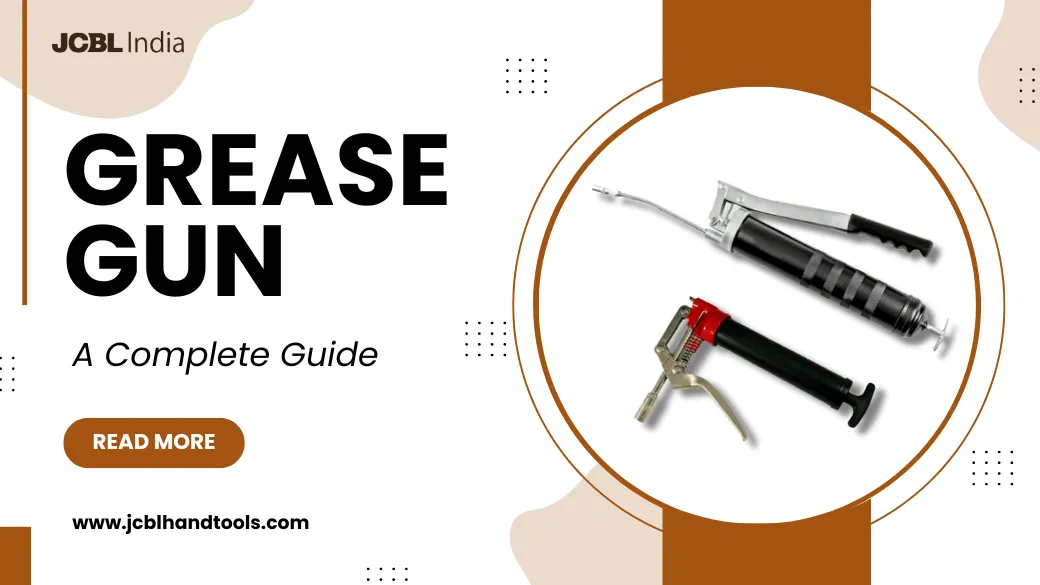
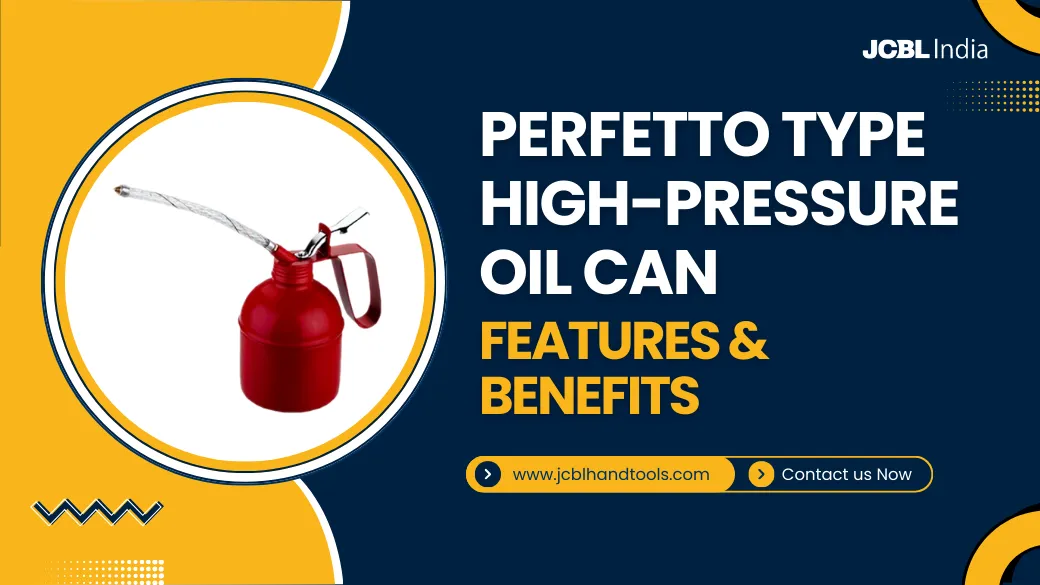
- Step 2: Use the Right Tool for the Job: Deploy specialized workshop gear to deliver the exact amount of fluid required without contamination. For a complete breakdown of the gear you need, check out our comprehensive lubrication tools guide.
- Step 3: Monitor the Quantity: Over-lubrication can be just as damaging as under-lubrication. Too much grease in a bearing causes internal friction, which raises operating temperatures and destroys seals.
- Step 4: Establish a Routine: Base your schedule on the manufacturer’s operational hours rather than guesswork to keep lubricating machines efficient.
Conclusion: Investing in Long-Term Lubrication
Commitment to lubrication maintenance is the defining factor in machinery longevity. Understanding why lubrication is necessary and executing the right workflows directly translates to fewer breakdowns, lower repair costs, and uninterrupted productivity. By treating your lubrication machinery processes with precision and equipping your team with professional industrial lubrication tools, you ensure your assets perform optimally for years to come.
FAQs
It is necessary because it creates a protective barrier that eliminates direct metal contact. This reduces wear, cools the system, and protects against rust, ensuring long-term lubrication benefits.
They must be applied to shield components from friction and environment damage. Machine lubricant oil is perfect for cooling high-speed enclosed gears, while grease is ideal for staying in place on exposed bearings to block out dirt.
Friction is primarily reduced by fluid film lubrication (isolating parts with a liquid lubricant), boundary lubrication (using chemical additives under heavy loads), and maintaining consistent lubrication maintenance routines.
To safely lubricate moving parts, clean all injection points first to avoid pushing debris inside. Use precise workshop tools to add the exact recommended volume, as over-lubrication can cause overheating and seal failure.
The primary role of a lubricant in heavy machines is to absorb heavy shock loads and prevent surfaces from welding together under extreme pressure, which directly protects the machine’s structural lifespan.