Types of Lubrication Pumps and Their Industrial Applications

- What are Lubrication Pumps?
- Types of Lubrication Pumps
- Technical Classification (Detailed)
- Types of Oil Pumps Used in Lubrication Systems
- Understanding Types of Lubrication Systems
- Which Grease Pumps are Best for Industrial Applications?
- Summary Comparison: Lubrication Pump Types
- How to Choose the Right Industrial Lubrication Pump
- Conclusion
- FAQs
Lubrication pumps play a critical role in industrial machinery by delivering oil or grease to moving components in a controlled manner. These pumps help reduce friction, prevent wear and tear, improve machine efficiency, and support long-term equipment reliability.
Industrial lubrication pumps are widely used in manufacturing plants, construction equipment, mining operations, automotive systems, and heavy machinery where continuous lubrication is essential for smooth operation. This definitive guide explains the different lubrication pump types, pump lubrication systems, and how to choose the right lubricating pump for your machinery requirements.
What are Lubrication Pumps?
Lubrication pumps (also called lubricant pumps or lubricator pumps) are mechanical devices engineered to transfer, meter, and distribute oil or grease to machine components. Their primary purpose is to eliminate friction, prevent system overheating, and automate preventive maintenance operations.
These specialized machine lubrication pumps are essential for delivering precise fluid volumes to critical friction points such as:
- Industrial machinery bearings and gears
- Automated production line shafts and chains
- Heavy-duty automotive and mining transport systems
- Modern manufacturing plant conveyor belts
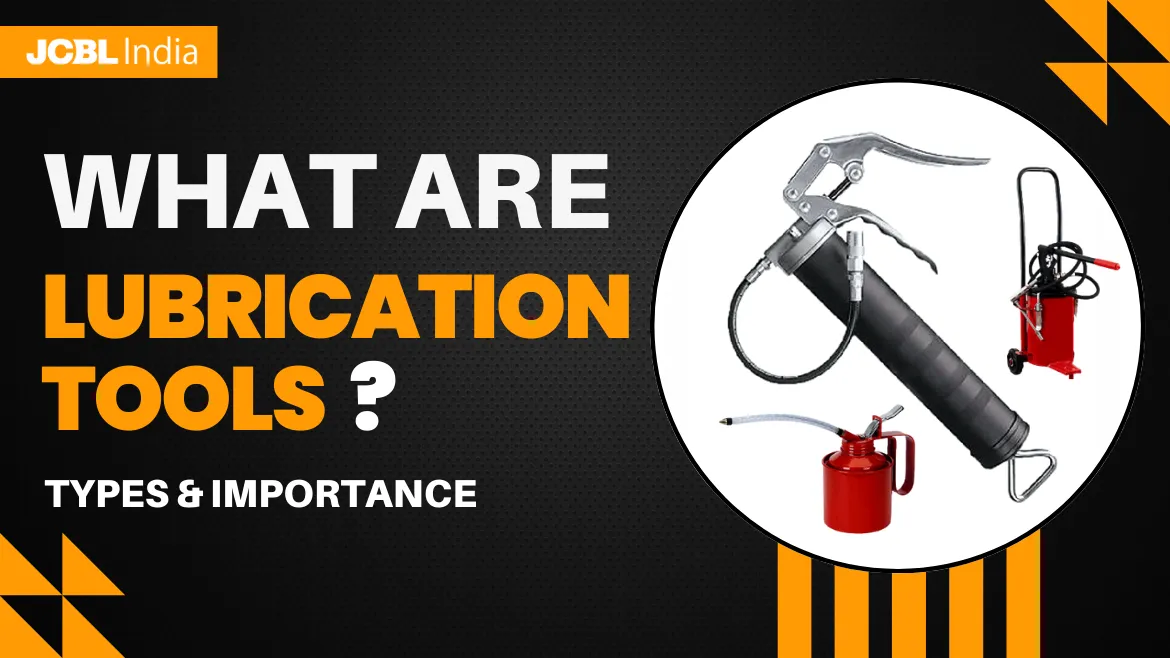
Lubrication pumps are part of a broader maintenance setup. To see how these pumps compare with handheld grease guns, oil cans, and fittings, check out our master lubrication tools guide.
Why are Lubricating Pumps Important?
Over-lubrication can be just as destructive as under-lubrication. Excess grease increases internal thermal buildup and attracts external contaminants. Utilizing dedicated pumps for lubricants ensures an exact, metered flow that delivers multiple operational benefits:
- Minimizes component wear and friction spikes.
- Enhances overall machinery efficiency and fuel economy.
- Drastically reduces manual maintenance labor hours and downtime.
- Supports corporate preventive maintenance and zero-waste fluid programs.
Proper fluid delivery is critical to preventing mechanical failure. If you want to understand the exact engineering mechanics behind this, read our detailed guide on how lubrication tools help machinery maintain peak operational health.
Types of Lubrication Pumps
The main types of lubrication pumps include manual lubrication pumps, grease pumps, electric lubrication pumps, pneumatic lubrication pumps, rotary lubrication pumps, and centralized lubrication pumps. Each type is designed for specific lubricant viscosities, pressure requirements, and industrial applications.
- Manual Lubrication Pumps – Best for low-pressure and small-scale lubrication tasks.
- Grease Pumps – Handle high-viscosity grease for heavy machinery and industrial equipment.
- Electric Lubrication Pumps – Provide automated and continuous lubricant delivery in factories.
- Pneumatic Lubrication Pumps – Use compressed air for safe operation in hazardous environments.
- Rotary Lubrication Pumps – Ensure smooth and continuous oil flow in bulk transfer systems.
- Centralized Lubrication Pumps – Automatically distribute lubricant to multiple machine points from one system.
Choosing the right lubrication pump depends on lubricant type, operating pressure, automation needs, machinery scale, and environmental conditions.
Technical Classification (Detailed)
Different industrial lubrication pumps are engineered to handle varying fluid viscosities (thin oils vs. heavy NLGI grease), operating pressures, and environmental hazards.
1. Manual Lubrication Pumps
Manual lubrication pumps are simple, highly portable, and cost-effective lubricator pumps operated by a physical lever or handle mechanism.
- Best For: Low-pressure, intermittent spot-lubrication in small-scale setups.
- Common Applications: Small workshop machinery, local automotive repair garages, and mobile agricultural equipment.
2. Industrial Grease Pumps (Pneumatic & Battery)
If you are looking for information about grease pumps, understanding high-viscosity handling is key. These pumps are robustly constructed to push thick lubricants through heavy-duty grease lines under intense resistance.
- Best For: High-pressure lubrication applications (often operating above 4,000 PSI).
- Common Applications: Construction excavators, mining bulldozers, industrial metal presses, and heavy-duty commercial trucks.
- Industrial Choice: High-volume facilities heavily rely on pneumatic grease pumps and cordless battery-powered grease pumps to speed up routine maintenance cycles cleanly.
A primary example is the bucket grease pump, which features a high-capacity reservoir that is easy to refill, maintain, and use.
3. Electric Lubrication Pumps
Electric lubrication pumps use specialized motor-powered assemblies to run a continuous or timed lubrication cycle.
- Best For: Automated industrial automation frameworks requiring zero human intervention.
- Common Applications: High-precision CNC machines, heavy automotive assembly systems, and high-speed packaging lines.
4. Pneumatic Lubrication Pumps
These systems run entirely on compressed air, making them the default safety choice when electrical sparks pose an explosive risk.
- Best For: Hazardous, wet, or high-temperature industrial environments.
- Common Applications: Chemical processing units, textile industries, and food manufacturing plants.
5. Rotary Lubrication Pumps
A rotary lubrication pump uses internal rotating elements (like rotors or vanes) to pull and push fluid smoothly.
- Best For: High-volume, continuous lubrication oil pump systems.
- Common Applications: Bulk oil transfer systems, workshop fluid dispensing bars, and continuous oil circulation loops.
6. Centralized Lubrication Pumps
Centralized systems feature advanced pumps that automatically pump lubricant from a single, heavy-capacity central reservoir to hundreds of injection points simultaneously.
- Best For: Large-scale, continuous-production multi-point lubrication.
- Common Applications: Industrial steel plants, wind turbine gearboxes, and multi-tier factory conveyor systems.
Types of Oil Pumps Used in Lubrication Systems
When designing an industrial pump lubrication system, choosing the correct internal pump mechanism is crucial. Industrial systems typically categorize the 4 types of oil pump configurations based on internal mechanical design:
[Oil Pump Types]
       │
       ├─► 1. Gear Oil Pumps (Continuous circulation & fixed displacement)
       ├─► 2. Rotary Vane Pumps (Smooth, low-pulsation fluid flow)
       ├─► 3. Piston Oil Pumps (Ultra-high pressure precision metering)
       └─► 4. Electric Oil Pumps (Automated, variable smart delivery)
- Gear Oil Pumps: These use interlocking rotating gears to force oil forward. They are the most common lubricating oil pump types used for continuous, reliable oil circulation in vehicle engines and stationary plant gearboxes due to their simplicity and high durability.
- Rotary Oil Pumps: Utilizing a fluid displacement rotary mechanism, these oil pump types provide an exceptionally smooth, low-pulsation oil circulation loop.
- Piston Oil Pumps: Driven by reciprocating pistons, these are perfect for high-pressure oil lubrication pump setups where absolute volumetric accuracy per stroke is mandatory.
- Electric Oil Pumps: Driven by smart electric motors, these are widely integrated into modern, automated industrial systems to vary oil flow dynamically based on machine load.
Understanding Types of Lubrication Systems
Industrial setups split fluid delivery into four distinct structural methodologies:
- Manual Lubrication Systems: Relies entirely on technicians manually injecting fluids using handheld grease guns or manual pumps.
- Automatic Lubrication Systems: Uses integrated electronic controls to pump lubricant automatically based on run-time intervals.
- Centralized Lubrication Systems: Automatically routes oil or grease from a single master pump out to complex, multi-point industrial networks.
- Oil Lubrication Systems: Employs an ongoing closed-loop design where a lube oil pump continuously circulates, filters, and cools liquid oil through running gears and bearings.
Which Grease Pumps are Best for Industrial Applications?
For high-demand factory floors and heavy field servicing, pneumatic grease pumps, electric grease pumps, and automated centralized pumps are the absolute best choices. They eliminate manual fatigue, handle high-viscosity grease easily, and deliver the necessary high-pressure output.
Recommended Grease Pumps by Application
| Industrial Application | Recommended Grease Pump | Primary Benefit |
| Heavy Construction Equipment | Pneumatic Grease Pumps | High pressure, dirt-resistant |
| Manufacturing Facilities | Electric Lubrication Pumps | Continuous flow, easily timed |
| Continuous Production Lines | Centralized Lubrication Pumps | Zero downtime, multi-point delivery |
| Workshop Maintenance | Manual Grease Pumps | Low cost, high portability |
| Heavy Machinery Field Servicing | Battery-Powered Grease Pumps | Cordless freedom, high efficiency |
Summary Comparison: Lubrication Pump Types
| Lubrication Pump Type | Operating Style | Best For | Compatible Lubricant Type |
| Manual Pump | Low-pressure manual lever | Small workshops & tools | Light Oils & Soft Grease |
| Grease Pump | High-pressure pneumatic/battery | Mining & heavy machinery | Thick Industrial Grease |
| Electric Pump | Continuous automated motor | Factory automation & CNC | Oils & Fluid Grease |
| Pneumatic Pump | Compressed air-driven | Hazardous environments | Multi-viscosity Oils & Grease |
| Rotary Pump | Continuous rotary displacement | Bulk oil transfer stations | Industrial Lubricating Oils |
| Centralized Pump | Automated multi-point grid | Large-scale plants & steel mills | Oils & Heavy Grease |
How to Choose the Right Industrial Lubrication Pump
To select the ideal pump for your setup, evaluate these four baseline operational criteria:
- Lubricant Consistency: Heavy grease requires an industrial grease pump or high-pressure pneumatic system, while fluid oils require a dedicated lubrication oil pump or rotary assembly.
- Scale of Machinery: Isolated machinery can be managed with manual lubrication equipment, while expansive factory floors require automated centralized lubrication systems.
- Environmental Risks: If you operate in a high-dust, chemical, or volatile explosive zone, choose a pneumatic fluid pump over an electrical system to eliminate spark risks.
- Pressure Demands: Overcoming blocked or tight machine bearing seals requires a specialized high-pressure pump operating above 4,000 PSI.
Conclusion
Industrial lubrication pumps are foundational to minimizing operational friction, improving machine life-cycles, and optimizing plant production. Whether your facility relies on simple manual lubrication pumps or large-scale, automated centralized systems, choosing the correct engineering asset is key to long-term profitability.For premium, rugged, and highly reliable industrial lubrication pumps and workshop maintenance solutions, explore the complete catalog at JCBL Hand Tools.
FAQs
Grease pumps are heavy-duty devices engineered to move highly viscous, thick lubricants under high pressure. Oil pumps are designed for fluid, low-viscosity circulation where continuous cooling and rinsing are required.
Electric motor-driven pumps and centralized automated pump systems are ideal for modern automation because they can be precisely programmed via PLC systems to discharge fluids without manual labor.
The four standard oil pump types include gear oil pumps, rotary vane pumps, piston oil pumps, and electric motor-driven oil pumps.
A pump lubrication system is an integrated network consisting of a reservoir, delivery lines, meters, and a dedicated pump that automatically or manually pushes protective fluids directly to running machine elements.