Lubrication Tools and Equipment Types, Uses, and Maintenance Guide
- What are Lubrication Tools and Equipment?
- Types Of Lubrication Tools and Equipment
- Comparison of Major Lubrication Equipment
- Types of Lubrication Tools & Industrial Applications (Detailed)
- Manual Lubrication vs. Automatic Lubrication Systems
- How to Select the Right Lubrication Equipment
- Signs Your Machinery Requires Immediate Lubrication
- Why Reliable Lubricating Tools Matter for Machinery Maintenance
- FAQs
Proper lubrication is essential for maintaining the efficiency, safety, and lifespan of tools and machinery. Lubrication tools and equipment help apply oil, grease, and industrial lubricants accurately to reduce friction, prevent corrosion, and improve machinery performance.
Modern lubrication equipment is widely used in industrial plants, automotive workshops, heavy machinery maintenance, agriculture, manufacturing, and workshop operations. From manual lubrication equipment and grease guns to centralized lubrication systems and lubricant dispensing tools, each tool plays a critical role in preventive maintenance.
What are Lubrication Tools and Equipment?
Lubrication tools and equipment are specialized mechanical or manual devices used to store, transfer, meter, and apply lubricants (such as oil, grease, and industrial fluids) to moving machinery components.
Types Of Lubrication Tools and Equipment
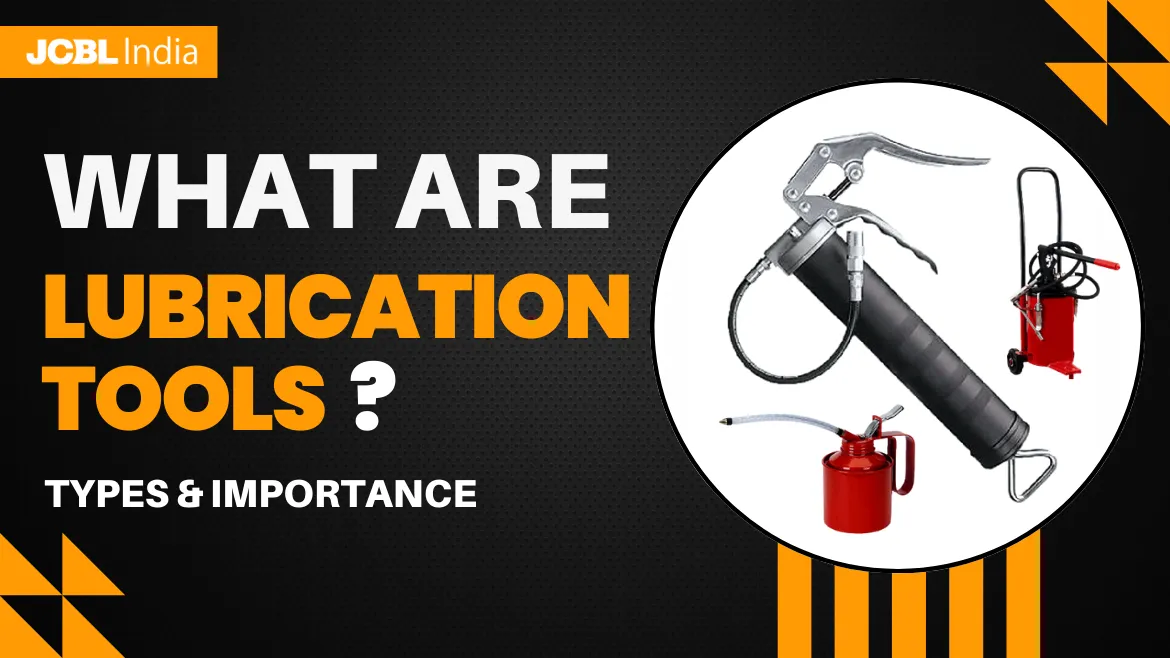
The main types of lubrication systems include grease guns, lubrication pumps, centralized lubrication systems, oil cans, lubrication fittings, hose reels, and grease filler pumps. These tools are used to apply, transfer, and manage lubricants for smooth machinery operation and reduced wear.
- Grease Guns – Used for high-pressure grease application in bearings and joints.
- Lubrication Pumps – Transfer oil or grease from bulk containers to machinery systems.
- Centralized Lubrication Systems – Automatically supply lubricant to multiple machine points.
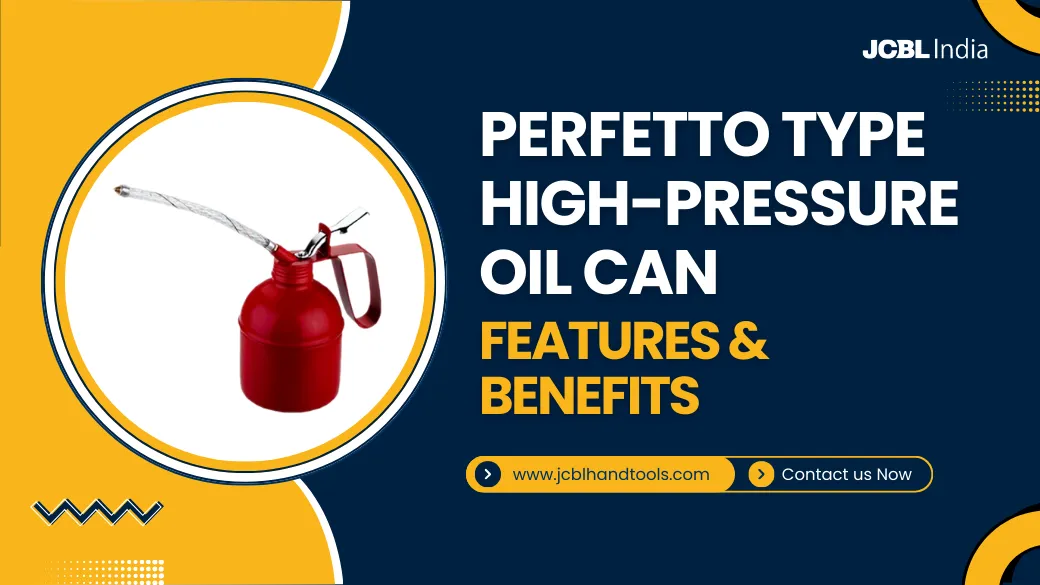
- Oil Cans & Dispensers – Designed for precise manual oil application.
- Lubrication Fittings & Nipples – Provide secure grease injection points on machinery.
- Hose Reels & Meters – Help manage fluid dispensing and monitor lubricant usage.
- Grease Filler Pumps – Refill grease guns cleanly and efficiently from bulk grease containers.
Choosing the right lubrication equipment depends on lubricant type, machinery size, operating conditions, and maintenance frequency.
Core Functions & Maintenance Benefits
Instead of repeating overlapping points, proper industrial lubrication delivers three primary advantages:
- Friction & Wear Reduction: Prevents metal-on-metal contact, lowering operating temperatures and preventing premature component failure.
- Asset Lifecycle Extension: Shields internal components from rust, corrosion, and environmental contaminants like dust and moisture.
- Operational Efficiency: Minimizes unexpected breakdown downtime, lowering overall maintenance and energy costs.
Comparison of Major Lubrication Equipment
| Lubrication Tool | Best For | Lubricant Type | Delivery Mechanism |
| Grease Guns | High-pressure localized application (bearings, joints) | Grease (NLGI Grade 0-3) | Manual, Battery, or Pneumatic |
| Lubrication Pumps | Bulk transfer & dispensing from drums | Oil & Grease | Pneumatic or Electric |
| Centralized Systems | Automated, continuous multi-point lubrication | Low-viscosity Oil / Fluid Grease | Automated Timed Distribution |
| Oil Cans & Dispensers | Precision, low-volume spot lubrication | Industrial & Motor Oils | Manual Trigger / Gravity Feed |
| Fittings & Nipples | Secure injection ports on machinery | Grease | Ball-check mechanism |
| Hose Reels & Meters | Organized garage/workshop fluid dispensing | Oil, ATF, Coolant | Spring-driven / Electronic Metering |
| Grease Filler Pumps | Contamination-free grease gun refilling | Bulk Grease | Manual Lever or Pneumatic |
Types of Lubrication Tools & Industrial Applications (Detailed)
1. Grease Guns
Grease guns are the backbone of workshop maintenance, delivering lubricants under high pressure to specific friction points.
- Key Sub-Types: Manual Lever, Pistol-Grip, Pneumatic (Air-Powered), and Cordless Battery-Powered grease guns.
- Common Applications: Automotive chassis lubrication, agricultural U-joints, and heavy industrial conveyor bearings.
- Technical Advantage: Capable of developing up to 10,000 PSI to clear blocked grease channels.
2. Lubrication Pumps
These pumps transfer heavy fluids from bulk storage tanks directly to machine reservoirs or dispensing stations.
- Common Applications: Manufacturing assembly lines, bulk oil dispensing bars, and mining equipment service trucks.
- Technical Advantage: Ensures a consistent flow rate, minimizing manual handling and fluid exposure.
- Internal Resource: To understand which pump fits your specific industrial setup, read our detailed breakdown on the types of lubrication pumps and their applications.
3. Centralized Lubrication Systems (CLS)
An advanced engineering solution that automates the lubrication process across an entire factory floor or heavy machine.
- Key Sub-Types: Single-line parallel, Progressive, and Dual-line automated systems.
- Common Applications: Steel mills, CNC machining centers, and large-scale packaging plants.
- Technical Advantage: Discharges precise metered amounts at fixed intervals without interrupting production.
4. Oil Cans and Oil Dispensers
Engineered for traditional, manual, and precise spot lubrication where high pressure is not required.
- Key Sub-Types: Wesco-style force-feed oilers, Pistol-type pump oilers, and precision oil droppers.
- Common Applications: Textile sewing machines, lathe machine ways, workshop hand tools, and small mechanical linkages.
- Technical Advantage: Rigid or flexible spouts allow technicians to access hard-to-reach internal mechanisms safely.
5. Lubrication Fittings and Nipples
Also known as Zerk fittings, these act as the critical gateway between the dispensing tool and the machine bearing.
- Common Applications: Vehicle suspension joints, industrial electric motor housings, and rotating shafts.
- Technical Advantage: Built-in spring-loaded ball check valves prevent grease from leaking back out and block dirt from entering.
6. Hose Reels and Meters
Essential for maintaining workplace safety and ensuring strict inventory control over fluid usage.
- Common Applications: Modern automotive service bays, fleet maintenance depots, and fluid dispensing stations.
- Technical Advantage: Retractable reels keep hoses off the floor to prevent tripping hazards, while digital meters track exact fluid volumes down to the milliliter.
7. Grease Filler Pumps
Specialized transfer pumps designed to refill empty grease guns cleanly from bulk pails.
- Common Applications: Heavy equipment maintenance workshops and high-volume industrial service bays.
- Technical Advantage: Eliminates air pockets (air locks) during refilling and prevents atmospheric dust from contaminating the bulk grease supply.
Manual Lubrication vs. Automatic Lubrication Systems
Choosing between manual tools and automated hardware depends heavily on your operational scale:
- Manual Lubrication Equipment (Grease Guns, Oilers): Best for small workshops, intermittent maintenance schedules, and mobile field servicing. It is highly cost-effective, portable, and requires zero power infrastructure.
- Automatic Lubrication Systems (CLS): Best for 24/7 manufacturing plants, high-precision industrial automation, and inaccessible heavy machinery components. It drastically reduces maintenance labor hours and ensures continuous reliability.
How to Select the Right Lubrication Equipment
Before purchasing, industrial maintenance managers should evaluate four technical factors:
- Lubricant Viscosity: Ensure the pump or gun can handle the specific NLGI grade of grease or viscosity rating of the oil.
- Machinery Scale & Accessibility: Isolated bearings require handheld grease guns; massive, hard-to-reach plant machinery requires centralized automation.
- Environmental Conditions: Heavy-duty, dusty, or corrosive marine environments demand rugged, sealed lubricating tools (like chrome-plated steel or high-density polymers).
- Volume Requirements: High-frequency service bays require pneumatic or battery-powered tools to optimize technician efficiency.
Signs Your Machinery Requires Immediate Lubrication
Keep a lookout for these critical warning indicators during preventive maintenance audits:
- Acoustic Changes: High-pitched squealing, grinding, or excessive operational noise.
- Thermal Spikes: Overheating bearing housings or unexpected thermal shutdowns.
- Physical Resistance: Increased operational vibration and sluggish component movement.
- Visual Deterioration: Visible rust, metallic shavings in oil filters, or dried-out, caked grease residues.
Why Reliable Lubricating Tools Matter for Machinery Maintenance
Investing in professional-grade lubricating tools prevents catastrophic mechanical breakdowns, lowers total cost of ownership (TCO), and ensures accurate fluid application. Substandard equipment often leads to over-lubrication (causing seal failures) or under-lubrication (causing bearing seizures).
For premium, highly durable lubrication tools and heavy-duty industrial maintenance equipment, explore the complete professional-grade inventory available at JCBL Hand Tools.
If you want to dive deeper into the core mechanics of how these devices prevent breakdown downtime, check out our guide on how lubrication tools help machinery maintain peak operational health.
FAQs
Lubrication tools are specialized instruments engineered to store, meter, and apply oil or grease directly to moving machinery parts to minimize friction and prevent mechanical wear.
Lubrication tools generally refer to handheld or manual devices (like oil cans and lever grease guns), whereas lubrication equipment includes larger, system-level components (like pneumatic pumps, motorized reels, and automated centralized networks).
High-pressure manual lever grease guns, pneumatic grease guns, or cordless battery-powered grease guns are the industry standards for injecting grease into high-resistance fittings.
Centralized systems eliminate human error by automatically delivering exact, metered amounts of lubricant while machinery is running, reducing downtime and optimizing lubricant consumption.
The most common manual lubrication tools include lever-action grease guns, pistol-grip grease guns, pump-feed oil cans, and manual grease filler pumps.