How to Use an Adjustable Wrench

To use an adjustable wrench, adjust the jaw to fit the nut or bolt, position it properly, tighten the grip, and apply steady force in the correct direction.
What is an Adjustable Wrench?
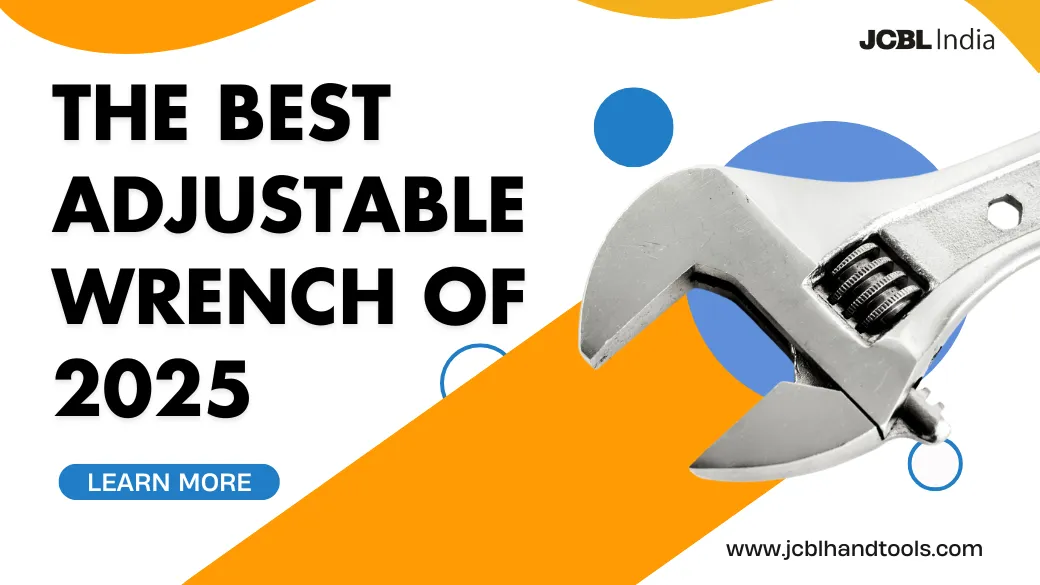
An adjustable wrench is a versatile hand tool used to tighten or loosen nuts and bolts of different sizes using a movable jaw mechanism. It eliminates the need for multiple fixed-size wrenches and is widely used in mechanical, plumbing, and household tasks.
Parts of an Adjustable Wrench
- Fixed jaw (stationary)
- Movable jaw
- Adjustment screw (thumbwheel)
- Handle (for torque)
How to Use an Adjustable Wrench
1. Identify the Fastener
Check the size and type of nut or bolt before using the wrench. Clean any dirt or debris to avoid slipping.
2. Adjust the Jaw
Turn the adjustment screw to open or close the movable jaw until it fits the fastener snugly.
3. Position the Wrench
Place the fixed jaw firmly against the fastener and align the movable jaw on the opposite side.
4. Tighten the Grip
Ensure the wrench is tightly fitted with no movement or wobbling.
5. Apply Force
Pull the wrench toward yourself for better control and safety while tightening or loosening.
6. Recheck During Use
For tight fasteners, recheck the grip regularly to maintain proper hold.
Key Tip
Always pull an adjustable wrench toward yourself instead of pushing it to reduce the risk of slipping and injury.
Pro Tips for Better Use
- Use the correct size adjustment for a snug fit
- Keep the wrench aligned with the fastener
- Apply smooth, steady force
- Reposition for better leverage if needed
Common Mistakes to Avoid
- Using a loose fit (causes slipping)
- Applying excessive force
- Using it for precise torque applications
- Relying on the movable jaw for pressure
Care and Maintenance
- Clean after every use
- Lubricate the adjustment mechanism
- Check for wear or damage
- Store in a dry place to prevent rust
When to Use an Adjustable Wrench
Use an adjustable wrench when:
- Working with different sizes of nuts and bolts
- You need a versatile, multi-purpose tool
- Performing general repair or maintenance tasks
Expert Insight
In professional use, adjustable wrenches are valued for their versatility and convenience. However, for tasks requiring precise torque or heavy-duty gripping, specialized tools like torque wrenches or pipe wrenches are more suitable.
Conclusion
An adjustable wrench is a must-have tool for both professionals and DIY users. By using it correctly and maintaining it properly, you can ensure better efficiency, safety, and long-term performance.
JCBL Hand Tools offers durable and precision-engineered wrenches designed for reliable performance in everyday and industrial applications.
FAQs
Adjust the jaw to fit the fastener tightly, position the fixed jaw correctly, and apply steady force. Always ensure a snug fit to prevent slipping.
The hole on the handle is used for hanging or storage. In some cases, it can also be used to attach a lanyard for safety.
It is recommended to use the wrench with a tight fit and proper alignment, applying force on the fixed jaw side for better control and safety.
Turn the adjustment screw (thumbwheel) to open the movable jaw, then remove the wrench from the fastener.
Do not use a loose fit, apply excessive force, or use it for precise torque tasks. Avoid putting pressure on the movable jaw.
You should pull the wrench toward yourself, as it provides better control and reduces the risk of slipping or injury.
Related Readings: