Common Mistakes Importers Make When Choosing an OEM Hand Tool Manufacturer
- Common Mistakes Importers Make When Choosing an OEM Hand Tool Manufacturer
- Why the Right OEM Manufacturer Matters
- Common Mistakes Importers Make When Choosing an OEM Hand Tool Manufacturer
- Reliable OEM Manufacturer vs. High-Risk Supplier
- OEM Hand Tool Manufacturer Evaluation Checklist
- How to Choose the Right OEM Hand Tool Manufacturer
- Conclusion
- FAQs
Choosing an OEM hand tool manufacturer is more than comparing quotations. The right manufacturing partner influences product quality, delivery reliability, compliance, and customer satisfaction. In contrast, selecting the wrong supplier can lead to inconsistent products, shipment delays, higher return rates, and supply chain disruptions.
Whether you’re an importer, distributor, wholesaler, or private-label brand, understanding what to evaluate beyond price can help reduce sourcing risks and build a reliable long-term partnership.
Common Mistakes Importers Make When Choosing an OEM Hand Tool Manufacturer
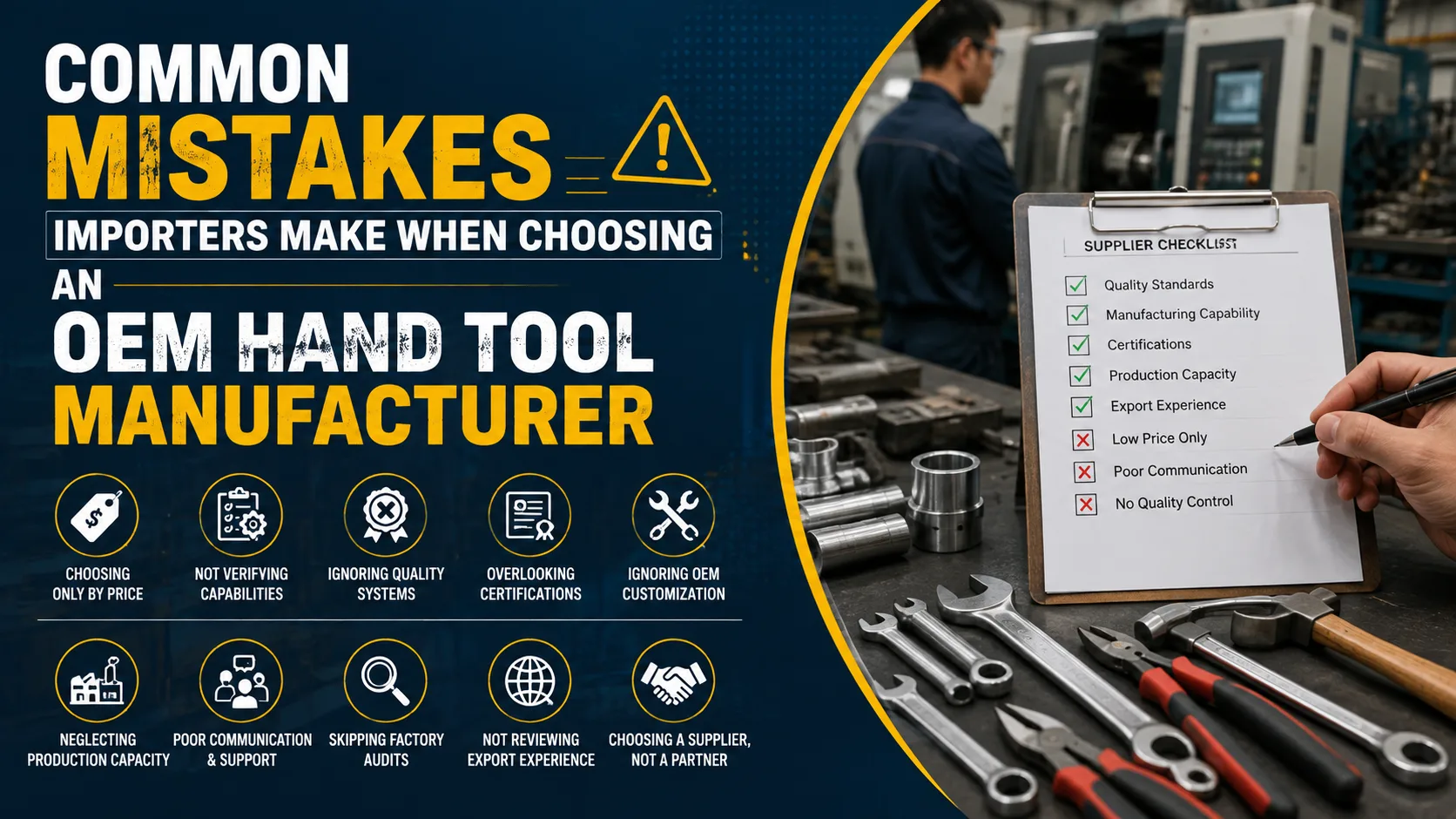
Importers often make mistakes by focusing only on price, failing to verify manufacturing capabilities, overlooking quality management systems, ignoring certifications, skipping factory audits, neglecting production capacity, and choosing suppliers without proven export experience. Evaluating these areas helps improve supplier selection and supports consistent product quality.
Why the Right OEM Manufacturer Matters
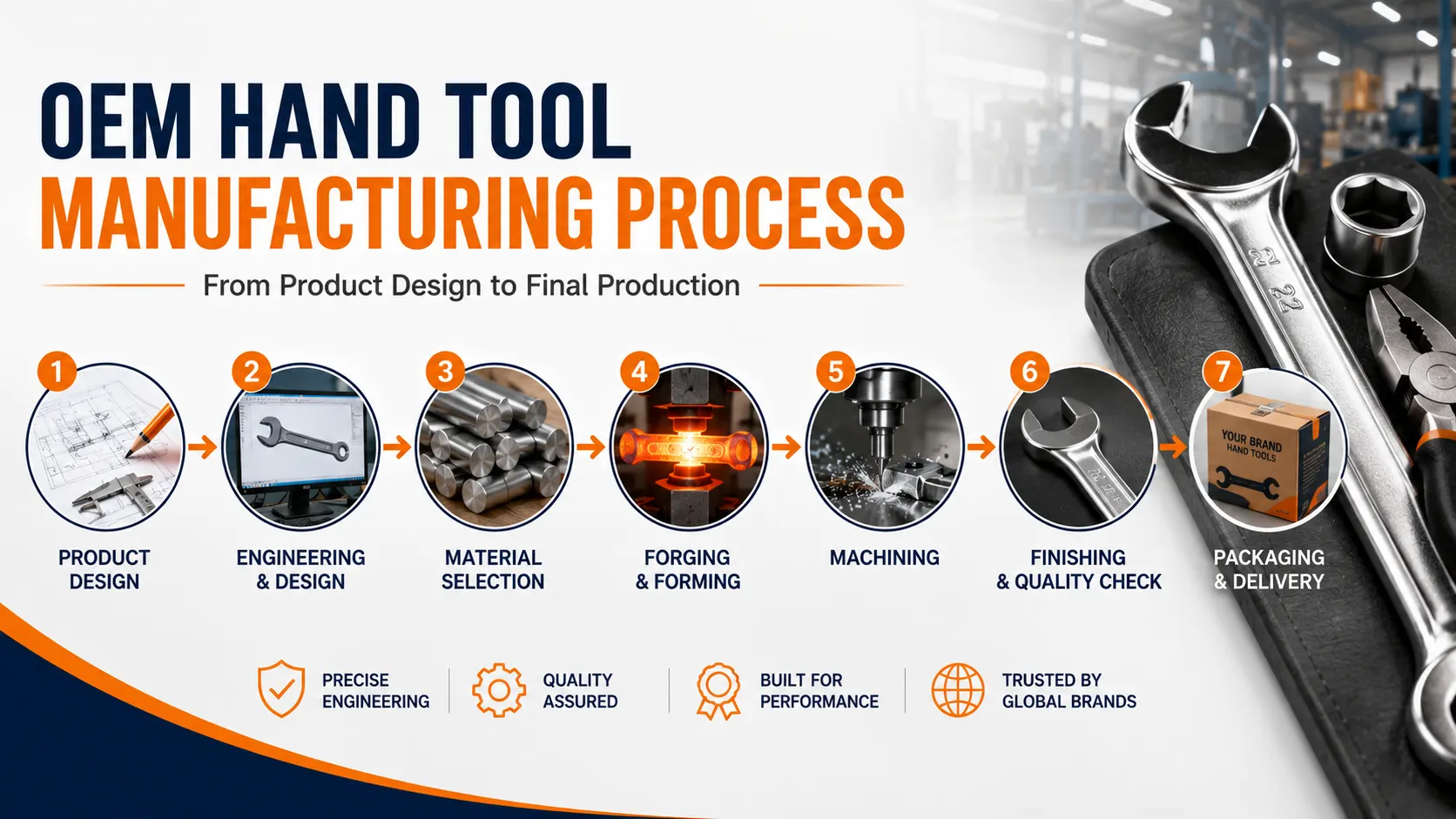
An OEM manufacturer is responsible for turning your product specifications into finished tools that meet your quality expectations. Their manufacturing processes, inspection systems, and production capabilities directly influence product consistency, lead times, and customer confidence.
A structured supplier evaluation also helps minimize sourcing risks and supports long-term procurement success.
Common Mistakes Importers Make When Choosing an OEM Hand Tool Manufacturer
1. Choosing a Manufacturer Based Only on Price
Selecting the lowest quotation without evaluating the manufacturer’s capabilities is one of the most common sourcing mistakes. A lower price may come at the expense of product quality, inspection standards, or delivery reliability, increasing the total cost of ownership over time.
Instead of focusing only on price, evaluate:
- Product quality
- Manufacturing expertise
- Quality control processes
- Delivery performance
- Technical support
- Long-term reliability
A manufacturer that consistently delivers quality and reliability often provides better long-term value than the cheapest supplier.
2. Not Verifying Manufacturing Capabilities
A professional website doesn’t guarantee manufacturing expertise. Verify whether the supplier has the facilities and technical capabilities to produce consistent, high-quality hand tools.
Check for capabilities such as:
- Drop forging
- CNC machining
- Heat treatment
- Surface finishing
- Assembly and packaging
- Tool testing
Manufacturers with more in-house production processes typically have better control over quality, lead times, and product consistency.
3. Ignoring Quality Management Systems
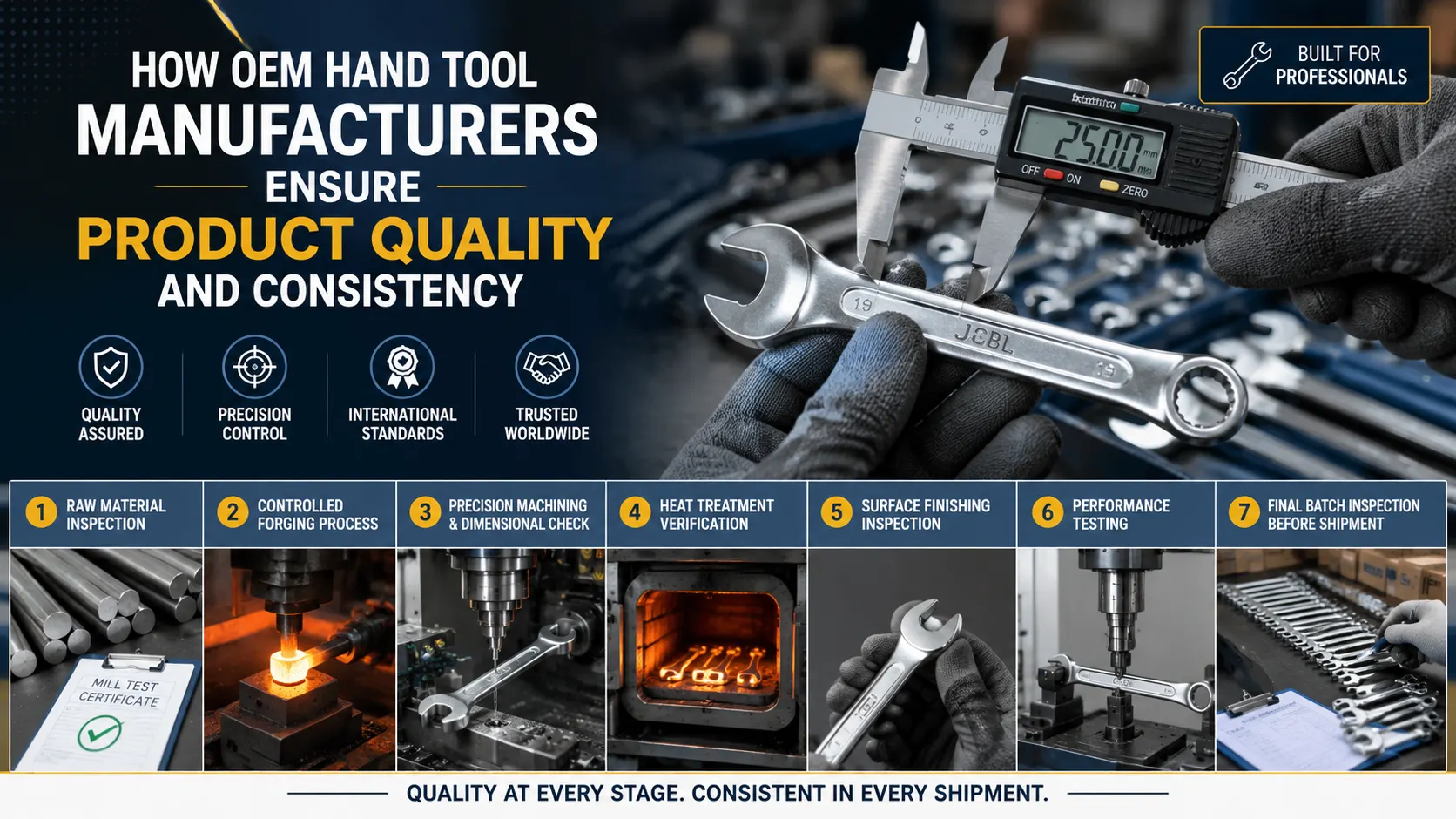
Quality is built into the manufacturing process—not just inspected at the end. A well-defined quality management system helps ensure consistent production across every batch.
Look for processes such as:
- Incoming Quality Control (IQC)
- In-Process Quality Control (IPQC)
- Final Quality Control (FQC)
- Batch traceability
- Corrective actions
- Continuous improvement
An ISO 9001-certified manufacturer has documented quality management processes, but buyers should also verify how these systems are implemented.
4. Not Checking Certifications and Compliance
Certifications help demonstrate that a manufacturer follows recognized quality and management standards.
Verify documents such as:
- ISO 9001 certification
- Product testing reports
- Customer-specific compliance documents
- Social compliance certifications, where applicable
Always request current documentation rather than relying solely on supplier claims.
5. Overlooking OEM Customization Capabilities
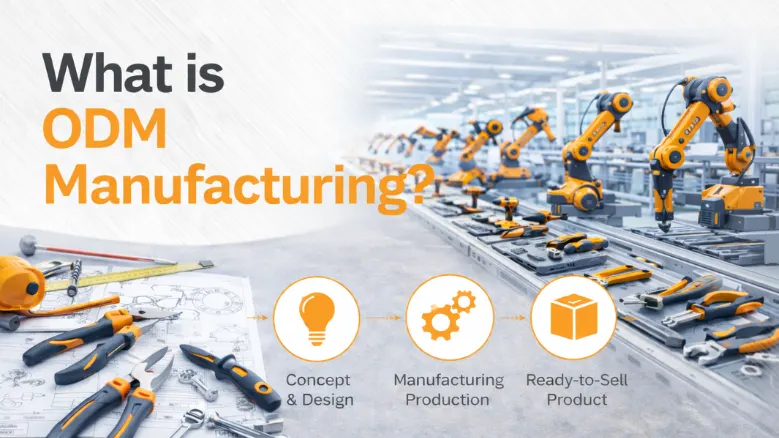
If you sell private-label products, your manufacturer should be able to support your branding and product requirements.
Confirm they offer:
- Private labeling
- Logo engraving
- Custom packaging
- Product modifications
- Engineering support
- New product development
Strong OEM capabilities make it easier to expand your product range while maintaining brand consistency.
6. Failing to Evaluate Production Capacity
Even a high-quality manufacturer can become a sourcing risk if they cannot meet your order volumes or delivery timelines.
Assess factors such as:
- Monthly production capacity
- Lead times
- Peak-season planning
- Workforce availability
- Scalability
Understanding production capacity helps ensure reliable deliveries as your business grows.
7. Ignoring Communication and Technical Support
Effective communication is essential for smooth product development and order management.
Look for manufacturers that provide:
- Quick responses
- Technical expertise
- Sample approval support
- Production updates
- Transparent issue resolution
Clear communication reduces delays, minimizes errors, and strengthens supplier relationships.
8. Skipping Factory Audits and Product Inspections
Factory audits and inspections help verify whether a manufacturer can consistently meet your quality expectations.
Evaluate:
- Production equipment
- Manufacturing processes
- Inspection procedures
- Equipment maintenance
- Workforce capability
- Factory organization
Pre-shipment inspections also help confirm that products meet agreed specifications before export.
9. Not Reviewing Export Experience
Export experience is essential for smooth international sourcing. Manufacturers familiar with global trade requirements are better prepared to handle overseas shipments.
Verify experience with:
- Export documentation
- International packaging
- Container loading
- Customs compliance
- Overseas customer support
Experienced exporters are generally better equipped to manage international logistics efficiently.
10. Choosing a Supplier Instead of a Long-Term Manufacturing Partner
The best sourcing relationships are built on trust, consistency, and continuous improvement—not just competitive pricing.
A reliable OEM partner offers:
- Consistent product quality
- Stable production planning
- Ongoing product improvements
- Better communication
- Greater supply chain reliability
Choosing a long-term manufacturing partner can deliver greater business value than chasing short-term cost savings.
Reliable OEM Manufacturer vs. High-Risk Supplier
| High-Risk Supplier | Reliable OEM Manufacturer |
| Competes only on price | Focuses on quality and value |
| Limited manufacturing transparency | Shares production capabilities |
| Inconsistent inspection processes | Documented quality management system |
| Limited customization | Supports OEM branding and product development |
| Unclear lead times | Defined production planning |
| Minimal export experience | Proven international shipping experience |
OEM Hand Tool Manufacturer Evaluation Checklist
Before selecting a supplier, verify the following:
| Evaluation Area | What to Check |
| Manufacturing Capability | Forging, machining, heat treatment, testing |
| Quality Management | IQC, IPQC, FQC, traceability |
| Certifications | ISO 9001 and relevant compliance documents |
| OEM Services | Branding, customization, packaging |
| Production Capacity | Output, lead times, scalability |
| Export Experience | Documentation and global shipments |
| Communication | Technical support and responsiveness |
| Factory Verification | Audit reports or third-party inspections |
How to Choose the Right OEM Hand Tool Manufacturer
A structured sourcing process can improve supplier selection:
- Define product specifications and quality expectations.
- Verify manufacturing capabilities and production processes.
- Review quality management systems and certifications.
- Request product samples for technical evaluation.
- Conduct a factory audit or independent inspection.
- Assess production capacity, communication, and long-term partnership potential before placing bulk orders.
Conclusion
Selecting an OEM hand tool manufacturer requires evaluating far more than pricing. Manufacturing capability, documented quality systems, certifications, production capacity, export experience, and transparent communication all play an important role in supplier reliability.
By avoiding these common sourcing mistakes and following a structured evaluation process, importers can make more informed procurement decisions, reduce operational risks, and build long-term partnerships that support consistent product quality and dependable deliveries.
FAQs
Importers should evaluate manufacturing capabilities, quality management systems, certifications, OEM customization services, production capacity, export experience, communication practices, and factory verification before selecting a supplier.
ISO 9001 indicates that a manufacturer has established a documented quality management system focused on process consistency and continual improvement. Buyers should still verify how these processes are implemented.
Buyers can review production equipment, manufacturing processes, testing facilities, product samples, factory audit reports, and third-party inspection results before placing bulk orders.
Not necessarily. Evaluating quality, manufacturing expertise, inspection systems, and delivery reliability alongside pricing provides a more complete picture of long-term value.
Factory audits help buyers assess production capabilities, quality management practices, equipment, and operational processes, making them an important part of supplier due diligence.