OEM vs ODM: Meaning, Differences, and How to Choose the Right Manufacturing Model
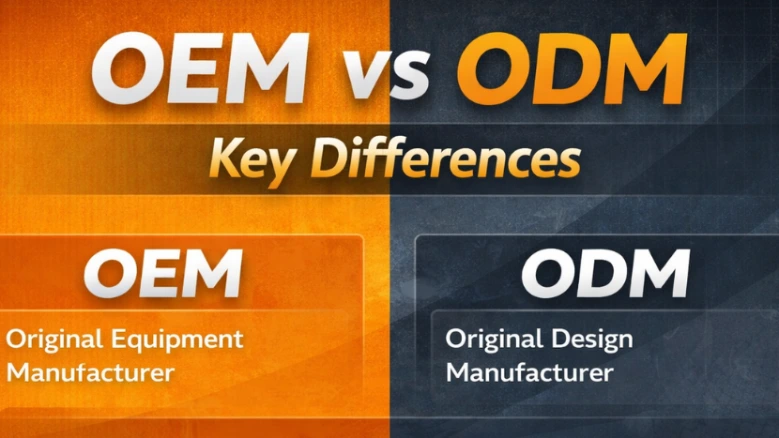
OEM vs ODM are two manufacturing models: OEM is custom production based on buyer specifications, while ODM offers ready-made products for rebranding.
In global sourcing, choosing between OEM vs ODM is one of the most important decisions for importers, distributors, and private label brands. It directly affects product quality, cost structure, customization, and time to market.
Whether you are sourcing hand tools, automotive tools, or industrial equipment, understanding the OEM or ODM meaning helps you build a more competitive and scalable supply chain.
Key Takeaways
- OEM (Original Equipment Manufacturer): Buyer owns the design; manufacturer produces as per specifications
- ODM (Original Design Manufacturer): Manufacturer designs the product; buyer rebrands and sells it.
- OEM Manufacturing = Custom-built products with full control over materials, performance, and branding
- ODM Manufacturing = Ready-made products optimized for fast market entry
- Choose OEM manufacturing for differentiation, innovation, and long-term brand value
What is OEM Manufacturing?
OEM manufacturing is a production model where the buyer provides detailed product specifications, and the manufacturer executes them with precision.
In global manufacturing practice, OEM manufacturing is widely used by brands that want complete control over product design, engineering, and performance standards.
What Buyers Typically Provide in OEM Manufacturing
- Engineering drawings and CAD files
- Material specifications (e.g., Chrome Vanadium Steel, Boron Steel)
- Hardness standards (typically 48–54 HRC for heavy-duty tools)
- Surface finishes (chrome plating, black oxide, phosphate coating)
- Tolerances and performance benchmarks
- Branding, packaging, and labeling guidelines
Advantages of OEM Manufacturing
- Full customization and ownership of product design
- Strong brand differentiation in competitive markets
- Control over quality, materials, and compliance
- Ability to meet strict international standards (DIN, ANSI, ISO, GS)
Challenges of OEM Manufacturing
- Higher upfront investment (tooling, prototyping, testing)
- Longer development cycles due to validation processes
- Requires engineering and technical expertise
Best Use Cases for OEM Manufacturing
- Established brands with defined product strategies
- Premium or performance-driven product segments
- Businesses requiring strict compliance and quality control
What is ODM Manufacturing?
ODM manufacturing is a model where the manufacturer designs, develops, and produces products that buyers can rebrand.
This approach is widely used in global trade because it simplifies sourcing and reduces time-to-market.
What ODM Manufacturers Provide
- Pre-designed and market-tested products
- Engineering validation and optimized performance
- Standardized production processes
- Private labeling and packaging customization
Advantages of ODM Manufacturing
- Faster time to market
- Lower upfront investment
- Reduced technical and commercial risk
- Access to proven product designs
Limitations of ODM Manufacturing
- Limited customization flexibility
- Reduced product exclusivity
- Similar designs may be used by multiple brands
Best Use Cases for ODM Manufacturing
- Importers and wholesalers
- Private label brands
- Startups entering new markets
- Businesses expanding product portfolios quickly
OEM vs ODM: Key Differences Explained
| Factor | OEM Manufacturing | ODM Manufacturing |
| Product Design Ownership | Buyer | Manufacturer |
| Customization Level | High | Limited |
| Time to Market | Longer | Faster |
| Cost Structure | High initial investment | Lower upfront cost |
| Risk Level | Higher (new product development) | Lower (tested designs) |
| Brand Differentiation | Strong | Moderate |
OEM vs ODM: Technical and Commercial Considerations
To fully understand OEM vs ODM, global buyers must evaluate both engineering control and commercial impact.
1. Product Performance & Material Control
OEM manufacturing allows control over:
- Alloy composition (e.g., Boron Steel vs Chrome Vanadium)
- Heat treatment processes
- Hardness ranges (HRC-based performance tuning)
ODM manufacturing typically offers standardized specifications.
2. Compliance with International Standards
For industries like hand tools, compliance is critical:
- DIN (Germany)
- ANSI (USA)
- GS Certification (Europe)
OEM manufacturing ensures precise compliance control, while ODM manufacturing relies on pre-certified designs.
3. Cost vs Long-Term Value
- OEM = Higher upfront cost but stronger long-term brand equity
- ODM = Lower cost but limited differentiation
4. Speed-to-Market Strategy
- OEM manufacturing requires prototyping, validation, and testing
- ODM manufacturing enables immediate production and faster commercialization
When to Choose OEM Manufacturing vs ODM Manufacturing
Choose OEM Manufacturing if you need:
- Unique product design and innovation
- High-performance or specialized tools
- Full control over specifications and branding
- Long-term brand building and IP ownership
Choose ODM Manufacturing if you need:
- Fast market entry
- Cost-efficient product sourcing
- Reliable, pre-tested designs
- Scalable product expansion
Industry Example: Hand Tools Manufacturing
In hand tools, the choice between OEM vs ODM often depends on performance requirements.
Typical Technical Benchmarks
- Spanners & Wrenches: 44–48 HRC
- Cutting Tools (pliers, cutters): 50–58 HRC
- Materials Used:
- Chrome Vanadium Steel → corrosion resistance + durability
- Boron Steel → high strength under stress
OEM manufacturing is preferred for precision tools, while ODM manufacturing works well for standard tools with consistent demand.
Modern Sourcing Strategy: Hybrid OEM + ODM Model
Many global buyers now adopt a hybrid sourcing strategy:
- Start with ODM manufacturing for quick market entry
- Transition to OEM manufacturing for differentiation and margin growth
This approach balances:
- Speed
- Cost efficiency
- Brand control
How to Choose the Right Manufacturing Partner
When evaluating suppliers for OEM manufacturing or ODM manufacturing, consider:
- Proven experience in both OEM and ODM projects
- Strong quality control systems and testing protocols
- Compliance with international standards (DIN, ANSI, ISO)
- Engineering and design support capabilities
- Scalable production capacity
- Diverse product portfolio
Conclusion
Understanding the OEM vs ODM meaning is essential for building a strong and competitive sourcing strategy in today’s global marketplace. OEM manufacturing is best suited for businesses that prioritize customization, innovation, and long-term brand value, as it offers full control over product design and performance. In contrast, ODM manufacturing is ideal for companies focused on speed, operational efficiency, and lower upfront investment, enabling faster entry into the market with proven products. Ultimately, the decision between OEM and ODM should align with key business factors such as market positioning, budget constraints, product complexity, and overall growth strategy, ensuring that the chosen model supports both immediate goals and long-term success.
FAQs
OEM vs ODM refers to two manufacturing models where OEM involves custom product production based on buyer designs, while ODM involves selling pre-designed products under a buyer’s brand.
The OEM or ODM meaning defines whether the importer controls product design (OEM) or sources ready-made products (ODM), impacting cost, customization, and speed.
OEM manufacturing is better for customization and brand differentiation, while ODM manufacturing is better for speed and cost efficiency.
Yes, many companies adopt a hybrid approach—starting with ODM manufacturing and transitioning to OEM manufacturing as they scale.
Yes, ODM manufacturing is widely used by private labels due to its lower cost and faster go-to-market advantages.
Related Post
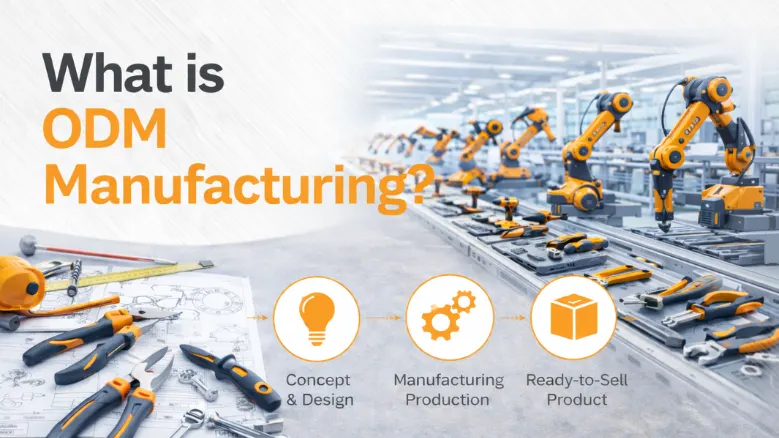
What is ODM Manufacturing?
ODM manufacturing is a very popular manufacturing model in the global industry arena. This model [...]
Hand Tools: Average Manufacturing Labor Cost India vs China 2026
If you are concerned with sourcing, importing, or manufacturing hand tools, then it is definitely [...]
Wholesale Tools: How to Choose the Best Suppliers & Bulk Distributors
Wholesale tools are hand or power tools purchased in bulk directly from manufacturers or distributors [...]