12 Essential Carpentry Hand Tools Every Woodworker & Professional Carpenter Needs
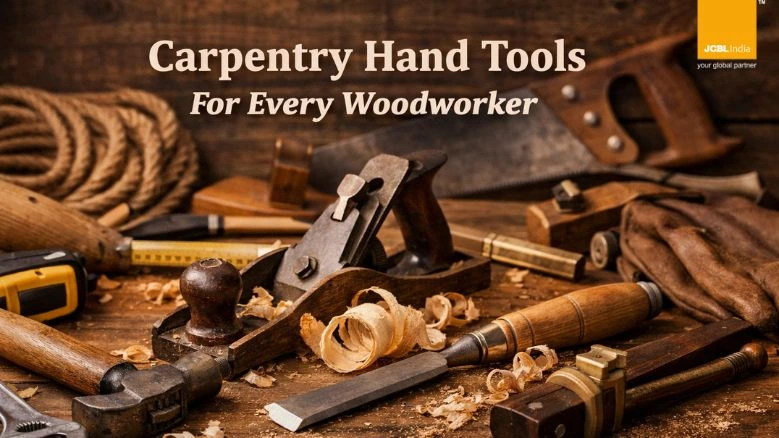
Woodworking and carpentry rely on precision, craftsmanship, and the right tools. While power tools dominate modern workshops, carpentry hand tools remain essential for accuracy, joinery work, and fine finishing. Professional carpenters still rely on hand tools to control grain direction, refine joints, and achieve clean cuts that machines often cannot match.
Whether you’re a beginner starting woodworking or a professional carpenter working on furniture or framing, understanding essential carpentry tools will help you work faster, safer, and with greater precision.
What Are Essential Carpentry Tools?
Essential carpentry tools are hand tools used by woodworkers to measure, cut, shape, and assemble wood. These tools allow carpenters to control grain direction, create accurate joinery, and perform precise finishing work. Common examples include hammers, saws, chisels, squares, and measuring tools.
What Are the 12 Essential Carpentry Tools?
The most important carpentry hand tools include:
- Claw hammer
- Tape measure
- Wood chisels
- Hand saw
- Block plane
- Screwdrivers
- Spirit level
- Marking tools
- Woodworking mallet
- Try square
- Woodworking vise
- Sharpening tools
These tools form the foundation of woodworking, joinery, and construction work.
12 Essential Carpentry Hand Tools Explained
1. Claw Hammer
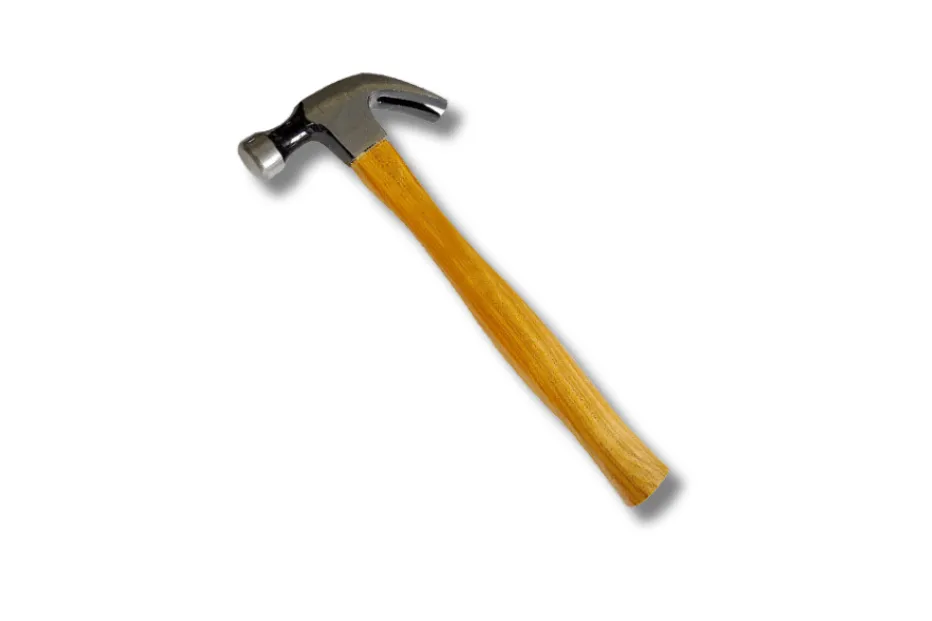
In my experience on job sites, a 16 oz claw hammer provides the best balance of weight and control for most carpentry tasks. It’s ideal for driving nails while the curved claw makes nail removal easy.
Uses
- Driving nails
- Removing nails
- Light demolition
- Adjusting wooden components
Trusted Brands
Many professionals rely on Estwing or Stanley hammers for durability.
Field Note: A hammer with a one-piece steel construction (like Estwing) lasts longer on construction sites and reduces vibration.
2. Tape Measure
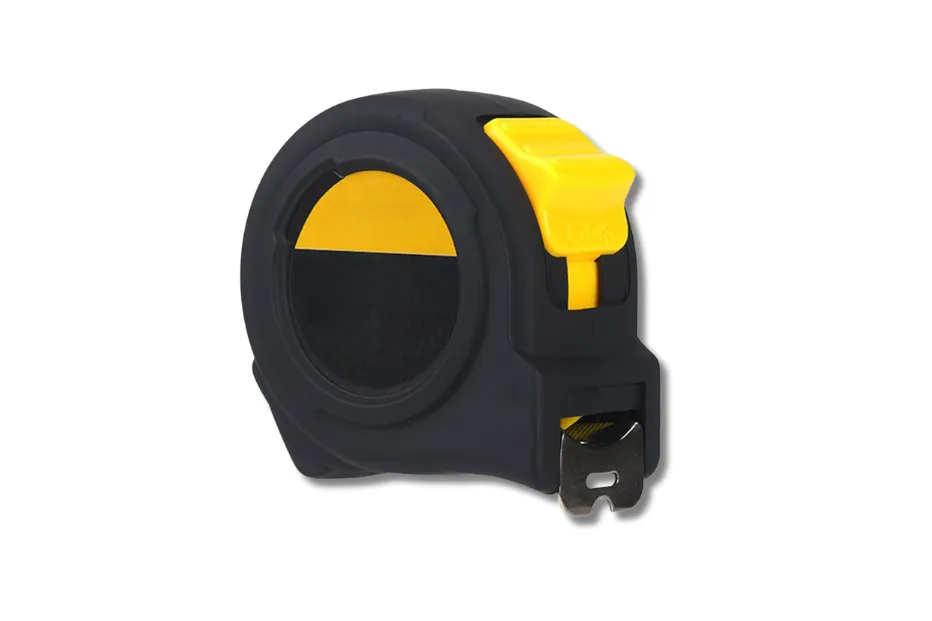
Precise measurement is the foundation of woodworking. Even a small error can ruin joinery like dovetails or mortise and tenon joints.
Uses
- Measuring lumber dimensions
- Planning project layouts
- Marking cut lines
Most professionals prefer 25-foot tape measures with strong blade coatings.
3. Woodworking Chisels
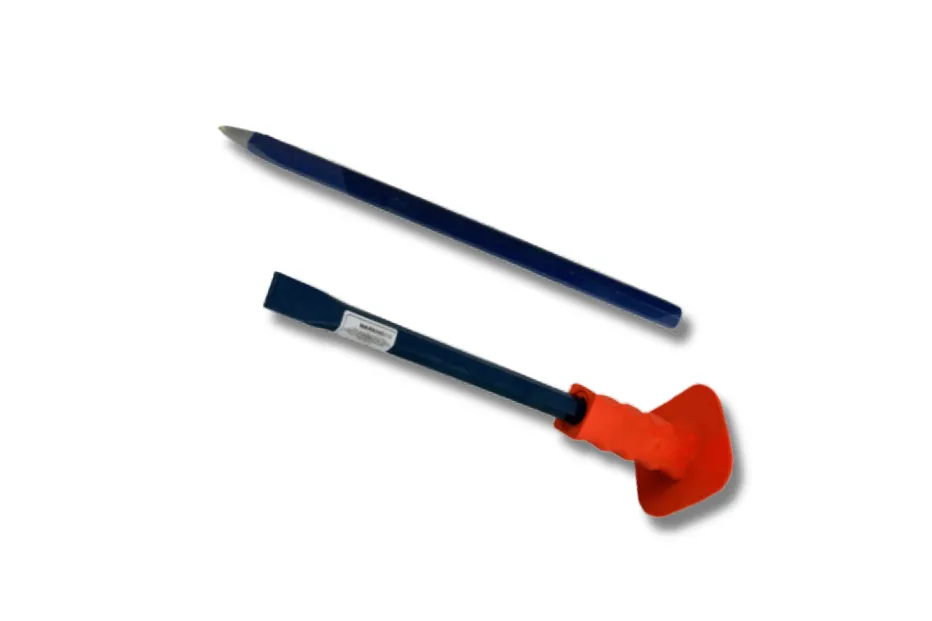
Chisels are essential for joinery work, shaping wood, and cleaning joints. They are commonly used for cutting mortises and refining dovetails.
Uses
- Creating mortise joints
- Cleaning joinery
- Trimming excess wood
- Carving details
Safety Warning: Always keep chisels razor sharp. Dull chisels require more force and increase the risk of slipping.
4. Hand Saw
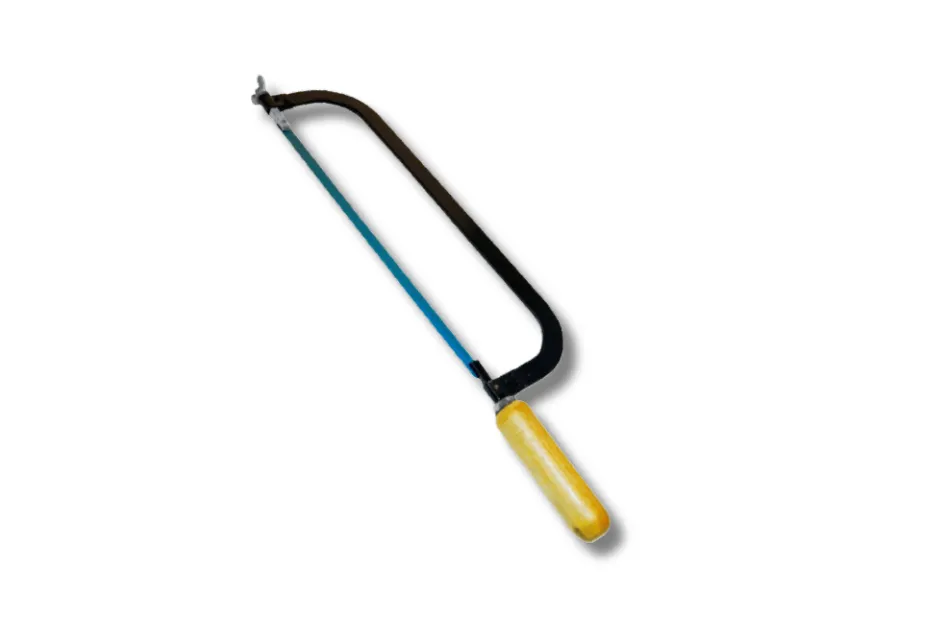
Hand saws give woodworkers better control than power saws, especially when working with grain direction or delicate joinery cuts.
Types
- Crosscut Saw: Cuts across the grain for smooth edges.
- Rip Saw: Cuts along the grain for resizing boards.
Japanese pull saws are also popular because they cut on the pull stroke, creating thinner kerfs and cleaner cuts.
5. Block Plane
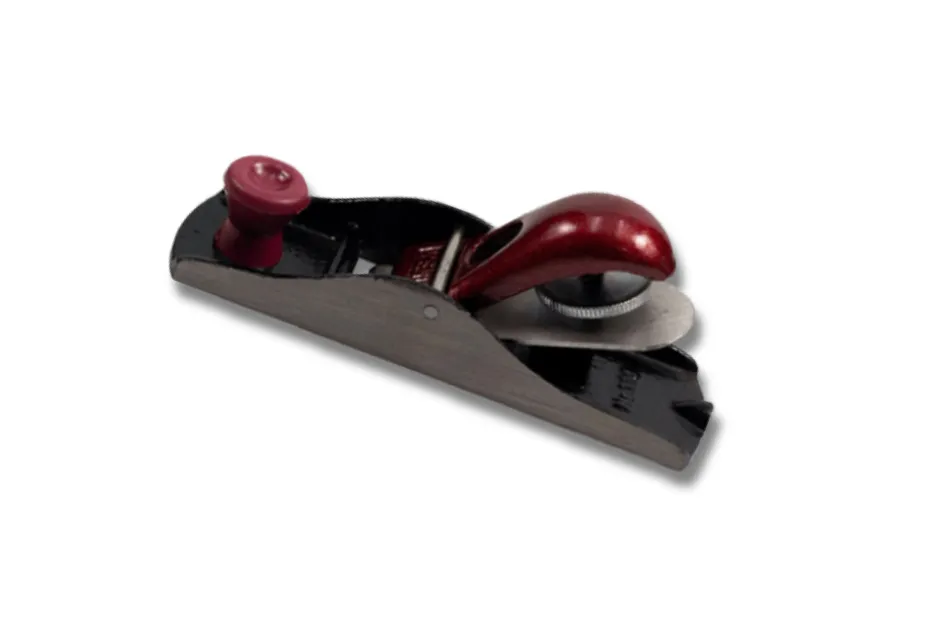
A block plane is used to smooth surfaces, trim end grain, and fine-tune joints.
Uses
- Chamfering edges
- Smoothing boards
- Fitting joints
- Trimming end grain
Pro Tip: A sharp plane blade reduces tear-out when working against grain direction.
6. Screwdrivers
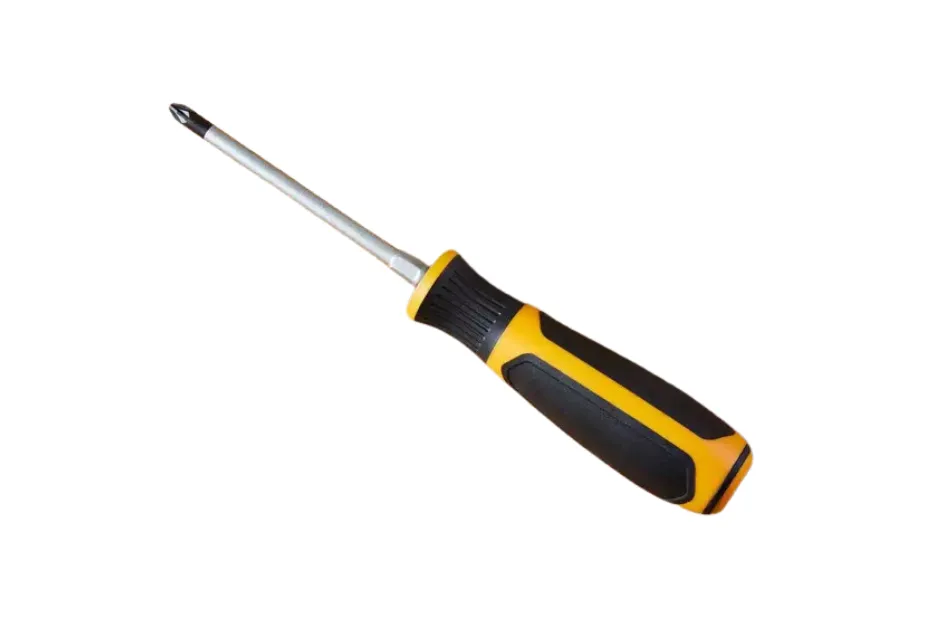
Screwdrivers are necessary for installing hinges, assembling furniture, and fastening hardware.
Common Types
- Flathead
- Phillips
- Multi-bit screwdrivers
Magnetic tips help hold screws in place during installation.
7. Spirit Level
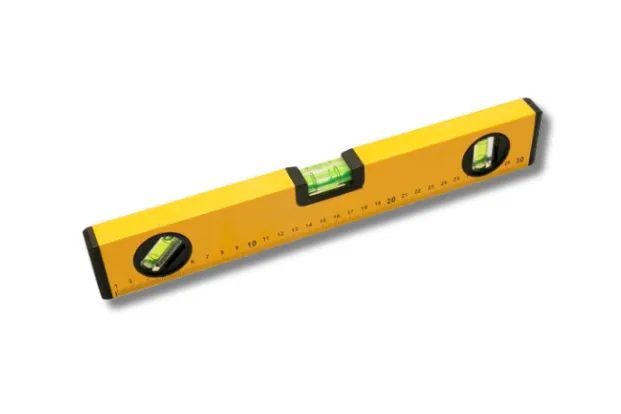
A spirit level ensures structures are perfectly horizontal or vertical.
Uses
- Checking flat surfaces
- Ensuring vertical alignment
- Leveling cabinets and frames
Aluminum body levels are preferred for durability on job sites.
8. Marking Tools
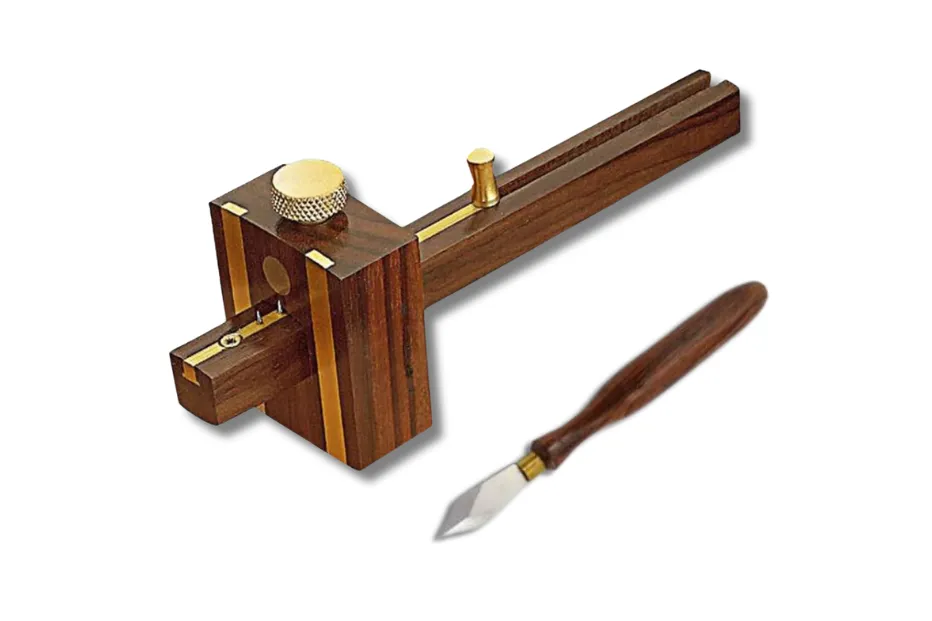
Marking tools transfer measurements to wood before cutting.
Essential Marking Tools
- Carpenter pencils
- Marking gauges
- Marking knives
Marking knives are preferred for precision because they create a clean incision line that guides saw kerfs.
9. Woodworking Mallet
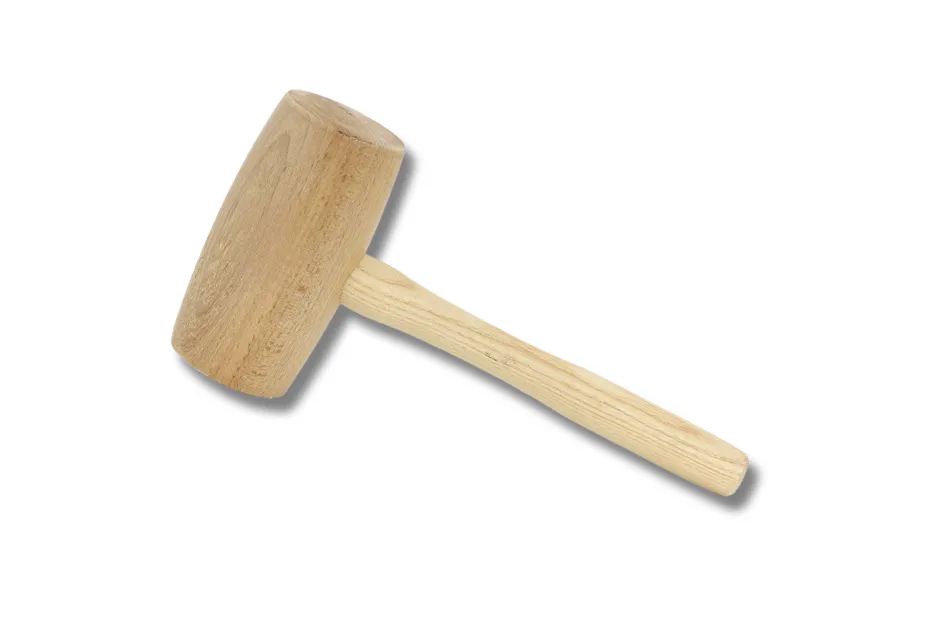
Mallets are used for striking chisels and assembling joints without damaging wood.
Uses
- Driving chisels
- Tapping joints together
- Adjusting components
Wood or rubber mallets distribute force evenly to prevent dents.
10. Try Square
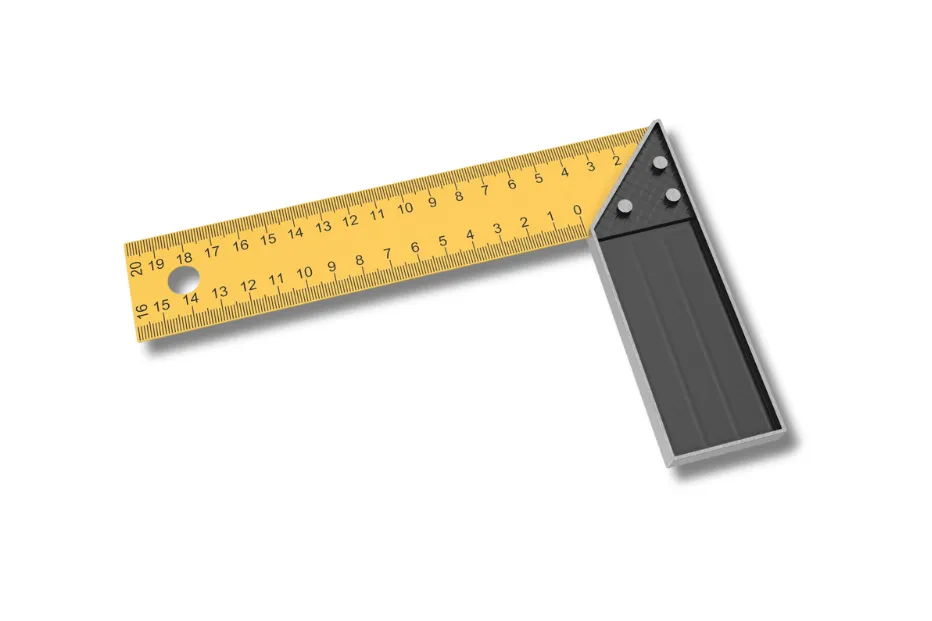
A try square ensures corners are perfectly 90 degrees, which is essential for accurate joinery.
Uses
- Checking square edges
- Marking layout lines
- Verifying joints
Accurate squares are critical when building cabinets, frames, or furniture.
11. Woodworking Vice
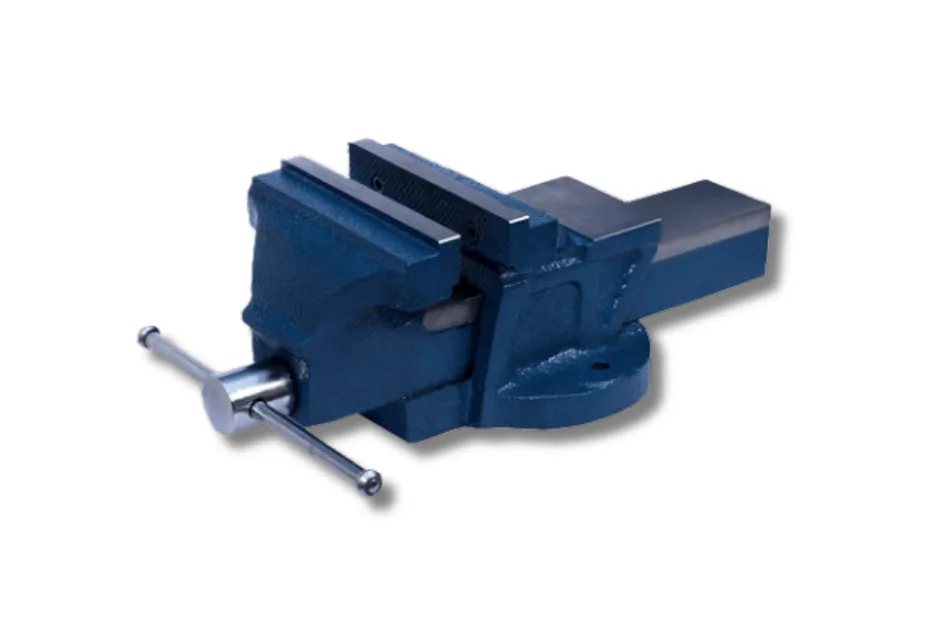
A woodworking vice secures workpieces while cutting, shaping, or sanding.
Benefits
- Stabilizes wood
- Improves safety
- Allows both hands to operate tools
Most professional benches include a front vise or tail vise.
12. Sharpening Supplies
Sharp tools produce clean cuts and safer woodworking conditions.
Essential Sharpening Tools
- Sharpening stones
- Honing guides
- Leather strops
Developing sharpening skills ensures chisels and planes stay effective.
Tools Many Woodworkers Also Use
Although not in the main 12, professionals often include:
- Combination square
- Woodworking clamps
- Flush-cut saw
- Marking gauge upgrades
Clamps are particularly essential when assembling panels or gluing dovetail joints.
How to Choose High-Quality Carpentry Hand Tools
- Material Quality: Look for hardened steel or high-carbon steel tools for durability.
- Ergonomics: Comfortable handles reduce fatigue during long woodworking sessions.
- Precision: High-quality tools ensure accurate joinery and straight cuts.
- Durability: Professional tools must withstand demanding job site conditions.
Why Professionals Trust JCBL Hand Tools
When selecting carpentry hand tools for professional workshops or construction projects, tool reliability, durability, and precision are critical factors. Many carpenters and contractors prefer tools backed by manufacturers with strong engineering expertise and manufacturing standards.
One such example is JCBL Hand Tools, supported by the legacy of the JCBL Group, an established Indian manufacturing organization with decades of experience in engineering and industrial production.
About the JCBL Group
The JCBL Group is a diversified manufacturing group with a strong presence in automotive, mobility, and engineering solutions. Known for its focus on quality manufacturing, advanced engineering capabilities, and global partnerships, the group has built a reputation for producing durable, and reliable products across industries.
Leveraging this strong engineering background, JCBL Hand Tools are designed to meet the demands of professional users, including carpenters, contractors, technicians, and industrial workshops.
What Sets JCBL Hand Tools Apart
Some key characteristics professionals look for in reliable hand tools include:
- Precision Manufacturing: Tools are engineered to deliver consistent accuracy for measuring, cutting, and assembly work.
- Durable Materials: High-quality steel and robust construction help tools withstand demanding job-site conditions.
- Ergonomic Design: Comfortable grips and balanced designs help reduce fatigue during long working hours.
- Professional Applications: JCBL hand tools are suitable for use in construction, woodworking, mechanical workshops, and industrial maintenance.
Safety Tips When Using Carpentry Hand Tools
Follow these basic safety practices:
- Keep cutting tools sharp
- Wear eye protection
- Secure wood with a vise
- Store tools safely
For workplace safety standards, refer to guidelines from OSHA woodworking safety resources.
Maintenance Tips to Extend Tool Life
Proper tool maintenance ensures long-term performance.
Best practices include:
- Oil metal surfaces to prevent rust
- Sharpen blades regularly
- Store tools in a dry toolbox
- Replace damaged handles
Rust prevention is especially important in humid workshops.
Conclusion
In conclusion, mastering the use of these twelve essential hand tools is key to becoming a proficient and accomplished woodworker. By understanding their functions, variations, and proper usage techniques, you can elevate your woodworking skills to new levels of precision, creativity, and craftsmanship. Whether you’re building furniture, crafting joinery, or pursuing your passion for woodworking as a hobby or profession, investing in quality hand tools and honing your skills will set you on the path to success and fulfillment in the workshop. Happy woodworking!
FAQs
Carpenters most commonly use hammers, tape measures, chisels, hand saws, and squares. These tools help measure, cut, shape, and assemble wood accurately during construction or woodworking projects.
Beginner carpenters typically start with a hammer, tape measure, saw, chisel set, square, and screwdriver set. These tools allow beginners to complete most woodworking projects like building shelves, frames, or small furniture.
Yes. Hand tools remain important because they provide superior control, precision, and finishing quality. Many professional woodworkers rely on them for joinery work such as dovetails, mortises, and delicate finishing cuts.
To prevent rust, store tools in a dry environment, wipe them clean after use, and apply a light coat of machine oil or paste wax on metal surfaces. Tool chests with silica gel packs can also help control moisture.
A rip saw cuts along the wood grain, making it ideal for resizing boards. A crosscut saw cuts across the grain and produces smoother edges when trimming lumber to length.
Chisels and planes should be sharpened whenever cutting performance decreases. Many professionals touch up edges after every few hours of use to maintain clean cuts and reduce effort.
Explore More Useful Guides:
- Want to understand chisels used in woodworking? Check out A Guide To Types Of Chisels and Their Uses.
- Learn about hacksaw types, blade selection, and safety tips in Types of Hacksaws: Uses, Blade Guide & Safety Tips.
- Explore a complete overview of workshop tools in A Complete Guide to Workshop Hand Tools: Types, Uses.
Related Post

Types of Hacksaws: Uses, Blade Guide & Safety Tips (Complete Guide)
A hacksaw is a hand or power cutting tool designed to cut metal, plastic, pipes, [...]
Clamping Tools: A Guide to Their Types, Uses, and Tips For Perfect Precision
Clamping tools have an irreplaceable place in a wide array of tasks for precision and [...]
8 Best Woodworking Hand Tools You Need For Carpentry!
Best Woodworking Hand Tools You Need For Carpentry. There are so many hand tools that [...]