Chrome Vanadium vs Carbon Steel: Which One Should You Choose?
- Chrome Vanadium vs Carbon Steel
- What is Chrome Vanadium Steel?
- What is Carbon Steel?
- Chrome Vanadium vs Carbon Steel (Comparison)
- Real-World Use Cases
- Chrome Vanadium vs Carbon Steel: Which is Better for Your Needs?
- Carbon Steel vs Chrome Vanadium (Real Insight)
- Alloy Steel vs Chrome Vanadium
- Drop Forged Steel vs Chrome Vanadium
- Conclusion
- FAQs
When choosing hand tools or industrial materials, the type of steel directly impacts performance, durability, and cost. Two of the most commonly used materials are chrome vanadium steel (Cr-V) and carbon steel.
Both materials are widely used in tools and machinery, but they serve different purposes. Understanding their differences will help you make the right decision based on your specific needs.
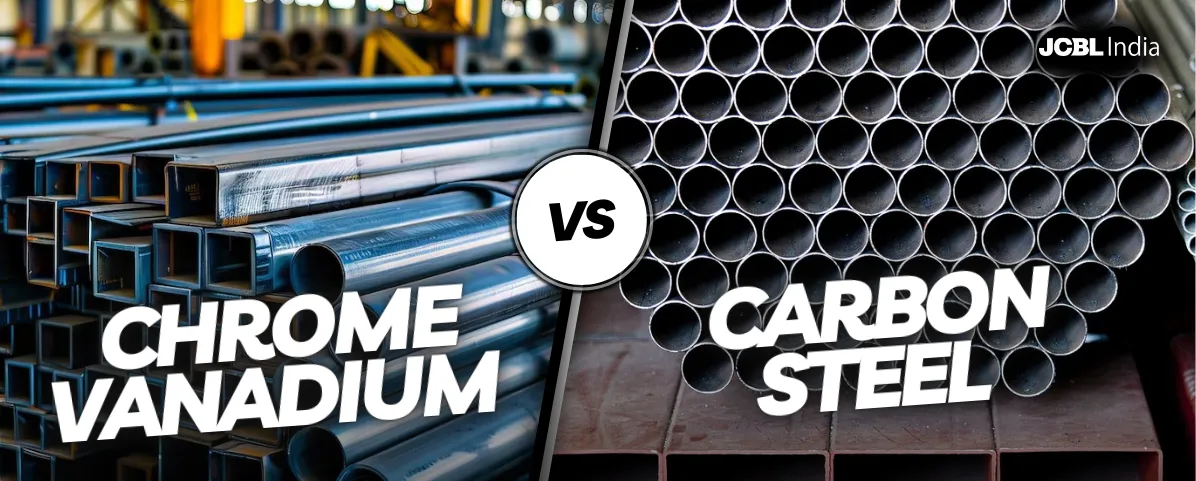
Chrome Vanadium vs Carbon Steel
Chrome vanadium steel is better for strength, corrosion resistance, and durability, while carbon steel is better for flexibility, impact resistance, and affordability.
What is Chrome Vanadium Steel?
Chrome vanadium steel (Cr-V) is a high-performance alloy made from chromium, vanadium, carbon, and other elements like silicon and manganese.
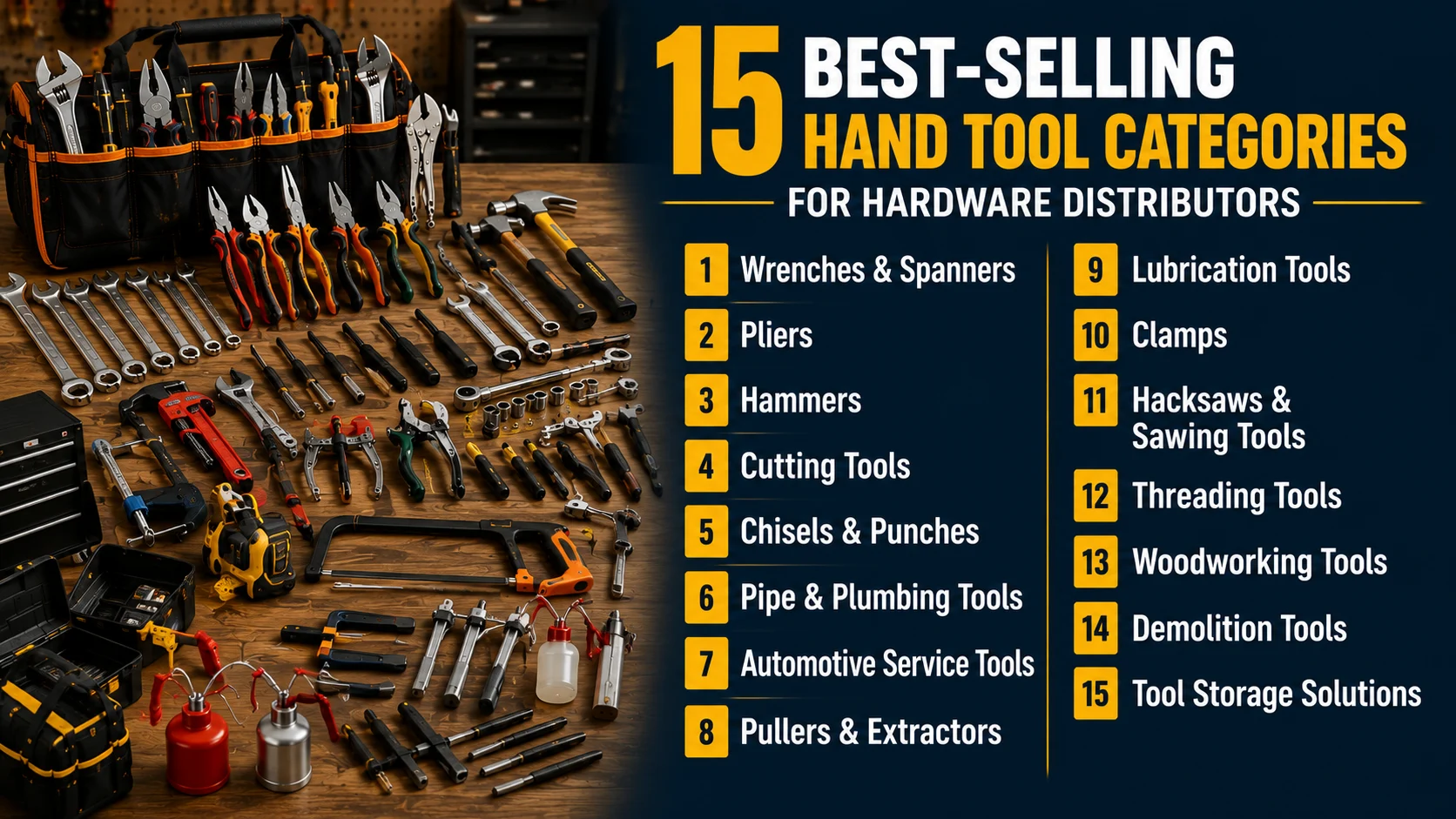
It is widely used in manufacturing premium hand tools such as spanners, sockets, screwdrivers, and pliers due to its superior strength and resistance properties.
Benefits of Chrome Vanadium Steel
- High tensile strength – Withstands heavy stress without deformation
- Excellent corrosion resistance – Chromium forms a protective anti-rust layer
- Durability – Resistant to wear, abrasion, and fatigue
- Heat treatment stability – Maintains hardness and performance even under high temperatures
- Low maintenance – Requires minimal care compared to carbon steel
Disadvantages of Chrome Vanadium Steel
- Higher cost compared to carbon steel
- Less flexible, making it less suitable for bending applications
Examples of Chrome Vanadium Tools
Chrome vanadium steel is widely used in tools such as:
- Spanners
- Sockets
- Screwdrivers
- Pliers
👉 These chrome vanadium tools offer superior strength and durability.
What is Carbon Steel?
Carbon steel is an alloy made primarily of iron and carbon. Its strength and hardness depend on the amount of carbon present.
It is commonly used in cutting tools, construction materials, and machinery components due to its versatility and cost-effectiveness.
Benefits of Carbon Steel
- High flexibility – Easy to shape, cut, and weld
- Strong impact resistance – Absorbs heavy shocks without cracking
- Affordable – Budget-friendly compared to alloy steels
- Versatile hardness – Can be adjusted through carbon content and heat treatment
Disadvantages of Carbon Steel
- Prone to rust and corrosion
- Requires regular maintenance such as cleaning and oiling
- Shorter lifespan in harsh environments
Examples of Carbon Steel Tools
Carbon steel is widely used in tools such as:
- Hammers
- Chisels
- Cutting tools
- Hand saws
👉 These carbon steel tools offer high impact resistance, flexibility, and cost-effectiveness, making them ideal for heavy-duty and shaping applications.
Chrome Vanadium vs Carbon Steel (Comparison)
| Feature | Chrome Vanadium Steel | Carbon Steel |
|---|---|---|
| Corrosion Resistance | Excellent | Poor |
| Strength | Very high | High |
| Flexibility | Low | High |
| Durability | Long-lasting | Moderate |
| Maintenance | Low | High |
| Cost | Expensive | Affordable |
| Heat Treatment Stability | Excellent | Moderate |
| Best Use | Hand tools, sockets, spanners | Cutting tools, fabrication |
Real-World Use Cases
- Professional mechanics and industrial users prefer chrome vanadium tools for long-term reliability and corrosion resistance.
- Fabricators, welders, and construction workers often choose carbon steel due to its flexibility and ease of shaping.
- High-impact applications (like impact sockets) usually require chrome molybdenum steel instead of CR-V.
Chrome Vanadium vs Carbon Steel: Which is Better for Your Needs?
Choose Chrome Vanadium Steel if:
- You need long-lasting and durable tools
- You work in moist or outdoor environments
- You want low maintenance tools
- Your work involves heavy-duty applications
Choose Carbon Steel if:
- You need flexibility or shaping capability
- Your work involves impact or force
- You are looking for a cost-effective option
- You can manage regular maintenance
Carbon Steel vs Chrome Vanadium (Real Insight)
- Chrome vanadium = durability + corrosion resistance
- Carbon steel = flexibility + affordability
👉 Real-world truth:
- Chrome vanadium = performance
- Carbon steel = budget
Alloy Steel vs Chrome Vanadium
- Chrome vanadium is a type of alloy steel
- General alloy steel may lack corrosion resistance
- Chrome vanadium offers better durability
Drop Forged Steel vs Chrome Vanadium
- Drop forging increases strength through shaping
- Chrome vanadium improves material properties
👉 Best tools often combine both:
Drop forged + chrome vanadium = maximum strength
Conclusion
So, which is better—chrome vanadium or carbon steel? The answer depends on your specific use case.
- If you need strength, corrosion resistance, and long-term durability, chrome vanadium steel is the better choice.
- If your work involves flexibility, impact handling, and budget constraints, carbon steel is more suitable.
Both materials have their own advantages, and selecting the right one comes down to how and where the tool will be used.
For professionals and businesses looking for reliable, industry-grade tools made from both chrome vanadium and carbon steel, JCBL Hand Tools provides a wide range of options designed to meet international quality standards and real-world usage demands.
FAQs
Yes, chrome vanadium steel is generally stronger than carbon steel due to the presence of chromium and vanadium, which improve strength and durability.
Chrome vanadium steel is more expensive and less flexible compared to carbon steel, making it less suitable for bending applications.
CR-V is better for general hand tools, while Cr-Mo is more suitable for high-impact tools like impact sockets.
No, chrome vanadium does not rust easily due to its chromium content, but it is not completely rust-proof.
Tungsten, titanium, and chromium are commonly considered among the strongest metals based on strength and hardness.
No steel is completely rust-proof, but stainless steel offers the highest resistance to rust due to its chromium content.
Yes, it is stronger than standard carbon steel due to added alloy elements.
Yes, chrome vanadium steel is excellent for tools because of its strength, corrosion resistance, and long lifespan.
It is corrosion-resistant but not completely rust-proof.
Related Post