Different Types Of Spanners and Their Uses
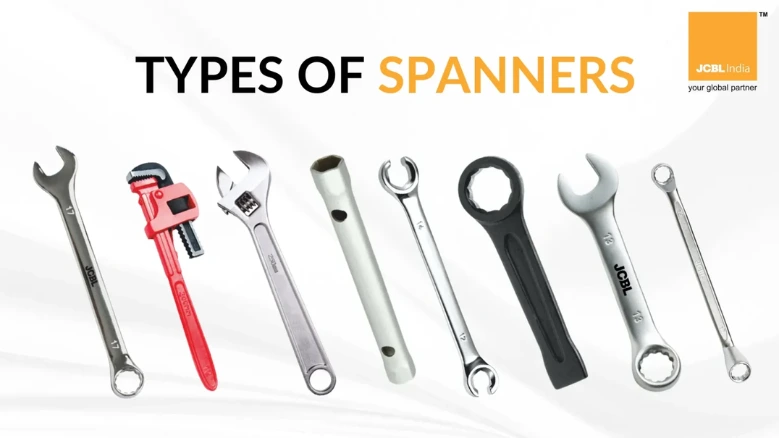
Spanners are essential tools for various mechanical and DIY tasks. These versatile tools come in different shapes and sizes, allowing you to tackle a wide range of fasteners. From adjustable spanners that adapt to different sizes, to open-ended spanners for nuts and bolts, and combination spanners offering flexibility, there is a spanner for every job. Whether you need to reach tight spaces or require a more secure grip, there is a spanner designed to meet your needs. Spanners are also known as wrenches. With their functionality and reliability, spanners are a must-have tool for any handy individual or professional.
Let’s dive into the world of spanners, understanding types of spanners with their Advantages, and Disadvantages. There are many types of spanners available in the market but there are several often-used spanners highlighted in this blog.
What Are Spanners?
Spanners are hand tools used to tighten or loosen nuts and bolts by gripping their flat sides. Different types of spanners are designed for specific applications, torque requirements, and working spaces, including combination spanners, ring spanners, pipe wrenches, and torque wrenches.
11 Types Of Spanners
There are diverse types of spanners used in mechanical, plumbing, automotive, and industrial applications. The most widely used spanners include combination spanners, ring spanners, open-end spanners, pipe wrenches, flare nut wrenches, torque wrenches, and adjustable spanners.
1. Combination Spanner
The combination spanner is a versatile tool that features an open end on one side or both sides. Its design allows for both quick turning with the open-end and higher torque application with the closed-end. The advantages of a combination spanner include its flexibility, compactness, and ability to handle different sizes of nuts and bolts. However, it may not provide as much leverage as other specialized spanners.
Uses:
- Tightening and loosening standard nuts and bolts in mechanical tasks
- General automotive repair and maintenance work
- Assembly and disassembly of machinery components
- Everyday DIY and workshop applications
Advantages:
- Versatile tool with both open-ended and ring ends
- Ideal for tightening or loosening bolts and nuts in various sizes
- Compact and easy to carry
Disadvantages:
- Limited leverage compared to other spanners
- May not fit in tight spaces due to its shape
2. Double Ring Spanner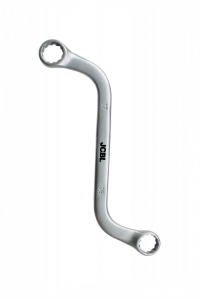
As the name suggests, the double-ring spanner has two closed ends (rings) of different sizes. This design allows for a better grip on nuts and bolts, reducing the chances of slipping. The double-ring spanner offers increased torque and is suitable for heavy-duty applications. Its disadvantage lies in limited versatility due to the fixed ring sizes.
Uses:
- High-torque tightening and loosening of nuts and bolts
- Automotive engine and mechanical assembly work
- Industrial maintenance applications
- Situations requiring a secure grip to prevent slipping
Advantages:
- Offers a better grip and increased torque compared to a single-ring spanner
- Suitable for working on nuts and bolts with different sizes on both ends
- Provides stability and prevents slipping
Disadvantages:
- Limited usability in confined spaces due to its size
- May not be as versatile as a combination spanner
3. Gas Spanner
The gas spanner is specifically designed for use with gas cylinders. Its unique shape and size allow for easy fitting and removal of gas cylinder valves. The gas spanner is lightweight, compact, and provides a secure grip. However, it may not be suitable for other applications due to its specialized design.
Uses:
- Installing and removing LPG gas cylinder regulators
- Tightening or loosening gas cylinder valves
- Maintenance work involving gas supply systems
- Safe handling of gas fittings in households and industries
Advantages:
- Specifically designed for gas fittings, ensuring a secure and tight connection
- Provides a firm grip on gas valves
- Prevents damage to gas fittings during installation or repair
Disadvantages:
- Limited application, primarily used for gas-related tasks
- May not be suitable for other general-purpose tasks
4. Single Open End Spanner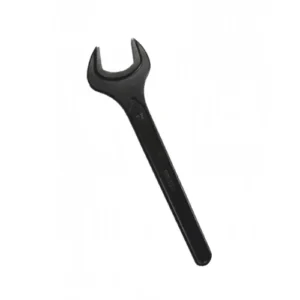
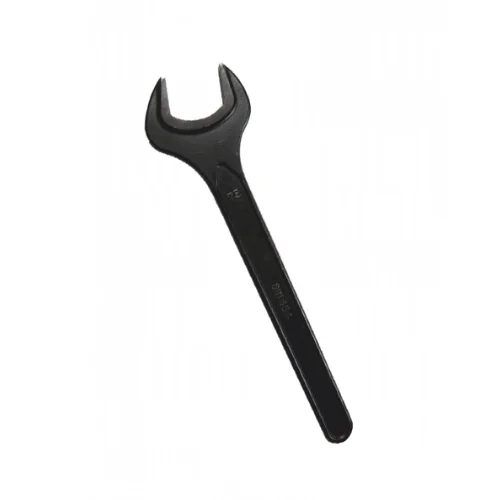
The single open-end spanner features a single open end, allowing for quick turning of nuts and bolts. It is lightweight, easy to handle, and suitable for tight spaces. However, it may not provide as much torque as spanners with closed ends.
Uses:
- Quick adjustments of nuts and bolts in tight spaces
- Light mechanical and maintenance work
- Basic household repairs and installations
- Situations requiring rapid repositioning of the tool
Advantages:
- Slim design allows access to tight spaces
- Ideal for tasks that require a single-sided grip
- Lightweight and easy to carry
Disadvantages:
- Limited torque due to the single-sided grip
- Not suitable for tasks that require tightening or loosening both sides simultaneously
5. Tubular Box Spanner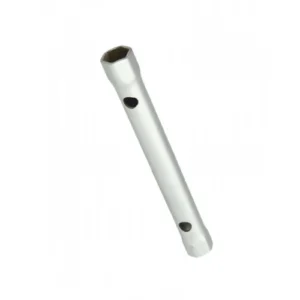

The tubular box spanner is a hollow, cylindrical tool with a closed-end (box) on one side and an open end on the other. It is commonly used in plumbing and automotive applications. The tubular box spanner provides a snug fit on nuts and bolts, minimizing the risk of rounding off corners. Its disadvantage lies in limited accessibility due to its design.
Uses:
- Tightening or loosening deep-set nuts and bolts
- Automotive applications such as spark plug removal
- Plumbing installations with recessed fasteners
- Machinery assembly in narrow spaces
Advantages:
- Designed for accessing nuts or bolts in narrow spaces
- Offers extended reach and leverage
- Multiple sizes available in a single tool
Disadvantages:
- Limited application, primarily used for specific tasks
- May not fit larger-sized nuts or bolts
6. Torx Wrench Spanner
The torx wrench spanner is specifically designed for torex screws, which have a star-shaped recess. It provides a secure grip and allows for efficient torque transfer. The torex wrench spanner is suitable for various applications, including electronics and automotive repairs. However, it may not be as versatile as other spanners due to its specialized purpose.
Uses:
- Installing and removing Torx screws in electronic devices
- Automotive component assembly and repair
- Bicycle and mechanical equipment maintenance
- Precision work where secure screw engagement is required
Advantages:
- Specifically designed for torex screws, providing a secure grip
- Prevents damage to torx screws during installation or removal
- Available in various sizes for different torx screw types
Disadvantages:
- Limited application, primarily used for torex screws
- May not be suitable for other types of fasteners
7. Flare Nut Wrench
The flare nut wrench, also known as a line wrench, is designed for use with hydraulic fittings and brake line connections. Its unique shape allows for a tight fit on nuts, reducing the chances of rounding off corners. The flare nut wrench provides excellent leverage and is suitable for delicate applications. However, it may have limited use outside of specific industries.
Uses:
- Tightening and loosening brake line fittings in vehicles
- Working with hydraulic and fuel line connections
- Plumbing installations involving soft metal fittings
- Automotive repair tasks requiring precise grip
Advantages:
- Designed for gripping and tightening flare nuts in plumbing or automotive applications
- Prevents damage to flare nuts during installation or removal
- Offers a secure grip on rounded or soft nuts
Disadvantages:
- Limited usability compared to other spanners
- May not be suitable for general-purpose tasks
8. Ring Slugging Wrench
The ring slugging wrench is a heavy-duty spanner designed for high-torque applications. It features a thick, solid ring with a handle, providing a secure grip and increased leverage. The ring slugging wrench is commonly used in construction and maintenance work. Its disadvantage lies in its bulkiness and limited versatility.
Uses:
- Tightening or loosening large industrial bolts
- Maintenance of heavy machinery and equipment
- Construction and structural assembly work
- Industrial repair requiring hammer-assisted torque
Advantages:
- Specifically designed for heavy-duty tasks and high-torque applications
- Offers a secure grip on large-sized nuts or bolts
- Durable and long-lasting
Disadvantages:
- Bulky design, limiting its use in confined spaces
- Limited versatility compared to other spanners
9. Pipe Wrench
The pipe wrench is a specialized spanner designed for gripping and turning pipes and other cylindrical objects. Its adjustable jaws provide a secure grip, making it suitable for plumbing and construction work. However, the pipe wrench may leave marks on the surface of the pipe and is not suitable for use on fragile materials.
Uses:
- Installing and removing plumbing pipes
- Tightening pipe fittings in water supply systems
- Maintenance of gas and plumbing pipelines
- Construction and mechanical pipework tasks
Advantages:
- Designed for gripping and turning pipes or rounded objects
- Provides a strong grip and leverage
- The adjustable jaw allows for use on different pipe sizes
Disadvantages:
- Heavy and bulky, making it less portable
- May leave marks or damage on the surface of the pipe
10. Open-Ended Slugging Wrench
The open-ended slugging wrench is a heavy-duty spanner with two open ends of different sizes. It offers excellent leverage and is commonly used in industrial applications. The open-ended slugging wrench provides versatility and the ability to handle a wide range of nut and bolt sizes. However, it may not provide as secure a grip as spanners with closed ends.
Uses:
- Tightening and loosening large industrial fasteners
- Structural steel assembly and maintenance
- Heavy machinery installation and repair
- Applications requiring hammer-assisted torque
Advantages:
- Specifically designed for heavy-duty tasks and high-torque applications
- Provides a secure grip on large-sized nuts or bolts
- Durable and long-lasting
Disadvantages:
- Limited usability compared to other spanners
- May not fit in tight spaces due to its size
11. Adjustable Pipe Wrench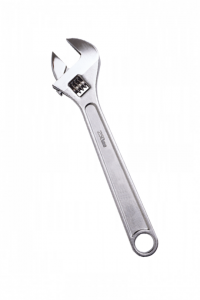
The adjustable pipe wrench is a versatile and indispensable tool commonly used in plumbing and construction work. Its primary function is to grip and turn pipes and other cylindrical objects securely. The distinguishing feature of the adjustable pipe wrench is its adjustable jaw capacity, allowing it to accommodate pipes of various sizes.
Uses:
- Gripping and turning pipes of different sizes
- Plumbing installations and pipeline maintenance
- Mechanical repair involving cylindrical objects
- Construction and industrial pipework tasks
Advantages:
- The adjustable jaw allows for use on different pipe sizes
- Provides a strong grip and leverage
- A versatile tool for various plumbing or mechanical tasks
Disadvantages:
- Heavy and bulky, making it less portable
- May leave marks or damage on the surface of the pipe if not used carefully
Spanner Types and Their Uses
|
Spanner Type |
Best Used For |
Torque Strength |
Common Industry |
|
Combination Spanner |
General nuts & bolts |
Medium |
Automotive |
|
Double Ring Spanner |
Tight fastening |
High |
Mechanical |
|
Gas Spanner |
Gas cylinder valves |
Medium |
Industrial |
|
Single Open-End |
Quick adjustments |
Low-Medium |
Maintenance |
|
Tubular Box Spanner |
Deep-set nuts |
Medium |
Automotive |
|
Torx Wrench Spanner |
Star-head screws |
Medium |
Electronics |
|
Flare Nut Wrench |
Hydraulic fittings |
Medium-High |
Automotive |
|
Ring Slugging Wrench |
Heavy-duty bolts |
Very High |
Construction |
|
Pipe Wrench |
Pipes & round objects |
High |
Plumbing |
|
Open-Ended Slugging Wrench |
Industrial bolts |
Very High |
Heavy Industry |
|
Adjustable Pipe Wrench |
Variable pipe sizes |
High |
Plumbing |
How to Choose the Right Spanner
Choosing the correct spanner depends on the type of fastener, required torque, accessibility of the work area, and material sensitivity. For high-torque industrial applications, slugging or ring spanners are ideal. For plumbing work, pipe wrenches are preferred. For general mechanical tasks, combination spanners are the most versatile option.
Conclusion
Selecting the right spanner is an art that depends on the specific task. Armed with the knowledge of each spanner type’s advantages and disadvantages, you can curate a toolbox that meets the diverse challenges of your projects. Understanding the characteristics of these versatile tools empowers you to handle various tasks efficiently and with precision.
Understanding the different types of spanners and their uses ensures better efficiency, safety, and precision in mechanical and industrial work. Selecting the right spanner type improves performance and prevents fastener damage.
For professionals and distributors looking for reliable, high-performance tools, JCBL Hand Tools offers a comprehensive range of precision-engineered spanners designed to meet industrial and international quality standards. Backed by the manufacturing strength and global presence of the JCBL Group, the brand ensures durability, performance consistency, and compliance with modern engineering benchmarks. Choosing a trusted supplier like JCBL enhances operational efficiency and long-term tool reliability.
Frequently Asked Questions (FAQs)
The combination spanner is the most commonly used spanner because it offers both an open-end and ring-end for versatility in tightening and loosening nuts and bolts.
“Spanner” is the term commonly used in the UK and Asia, while “wrench” is the American term. Both refer to tools used for tightening and loosening fasteners.
Ring slugging wrenches and open-ended slugging wrenches provide the highest torque and are used for heavy-duty industrial applications.
A ring spanner is used for securely gripping nuts and bolts to prevent slipping and rounding, especially in high-torque applications.
Related Articles:
- Want to understand what materials make spanners durable and long-lasting? Read:
👉 What Materials Are Spanners Made Of? - Looking for detailed information on one of the most widely used spanners? Explore:
👉 What Is a Ring Spanner?
Related Post
Spanners Vs Wrenches: What’s The Difference?
Looking for an adjustable to loosen or tighten the nuts and bolts of your car? [...]
What is a Box Spanner? Types, Uses, and Benefits
In the world of tools and hardware, precision and efficiency are key. Whether you’re a [...]
Pipe Wrench vs. Adjustable Wrench
When it comes to plumbing and mechanical work, having the right tools can make all [...]