12 Reasons Global Buyers Prefer Indian Hand Tool Manufacturers
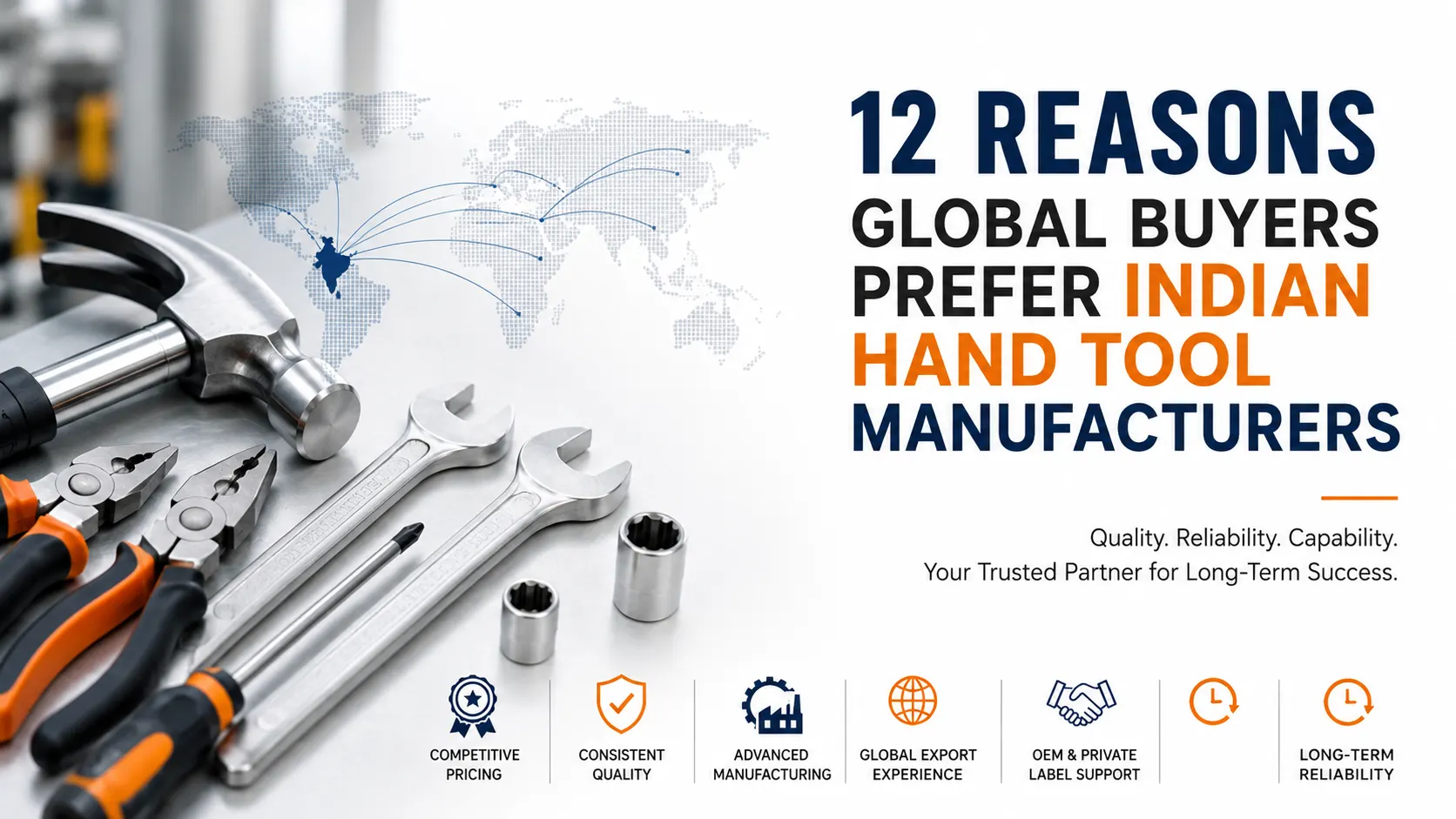
Global importers, distributors, and OEM brands choose hand tool suppliers based on quality, capacity, reliability, and long-term supply stability, not just price. Over time, Indian hand tool manufacturers have built a strong global reputation by meeting these expectations through established industrial hubs like Jalandhar and Ludhiana, skilled engineering talent, and modern manufacturing systems. Supported by a mature export network, Indian suppliers serve major markets across Europe, North America, the Middle East, Africa, and Asia. According to NITI Aayog, India’s hand and power tools sector is positioned for strong export growth. This article outlines 12 key reasons global buyers prefer India.
Global Demand for Indian Hand Tools: Key Export Insights
India’s hand tool industry is steadily strengthening its position in global trade, supported by consistent export performance and rising demand across industrial markets.
Recent trade data shows that India exported over USD 60–65 million worth of hand tools (HS 846799 – hand tools and parts) in 2024, with major demand coming from the United States, UAE, Germany, Saudi Arabia, and Europe.
Broader hand tool categories (including forged tools, kits, and accessories) show thousands of export shipments annually across 400+ verified exporters, reflecting a well-established global supply network.
Key demand insights:
- The United States remains the largest importer of Indian hand tools, accounting for the highest share of export value in multiple HS tool categories.
- India exports hand tools to 100+ countries globally, including strong demand from Europe, the Middle East, and Africa.
- Key product segments include hand tools, tool kits, pneumatic tools, and forged components, serving automotive, construction, and maintenance industries.
- India holds a small but growing global share (~1–2%) in hand tools trade, indicating significant expansion potential.
- Long-term projections highlight that India’s hand and power tools sector could grow substantially over the next decade as global buyers diversify sourcing away from single-country dependence.
Key takeaway
India is no longer a niche supplier in hand tools, it is an established, export-active manufacturing base with a growing global footprint, especially in industrial-grade and OEM tool segments.
Top 12 reasons why Global Buyers Prefer Indian Hand Tool Manufacturers
1. Competitive Cost with Consistent Quality
Indian manufacturers balance cost efficiency with export-grade durability, making them a value-driven sourcing option rather than just a low-cost alternative.
Key strengths:
- Optimized production and raw material sourcing
- Skilled labor with industrial experience
- Lower rejection and warranty rates for buyers
- Strong cost-to-performance ratio for bulk orders
2. Integrated Manufacturing Clusters
Industrial hubs like Jalandhar, Ludhiana, and Rajkot create a connected production ecosystem that improves speed and coordination.
Key strengths:
- Forging, machining, heat treatment in close proximity
- Faster movement between production stages
- Reduced dependency on fragmented suppliers
- Improved production predictability
3. Skilled Workforce with Engineering Expertise
India combines traditional craftsmanship with modern engineering systems to ensure precision and reliability.
Key strengths:
- Experienced forging and machining workforce
- CNC machining and automated systems
- Consistent quality across large batches
- Suitable for industrial-grade applications
4. Compliance with Global Quality Standards
Manufacturers align with international standards to meet strict export requirements.
Key strengths:
- ISO, DIN, ANSI-based production (as required)
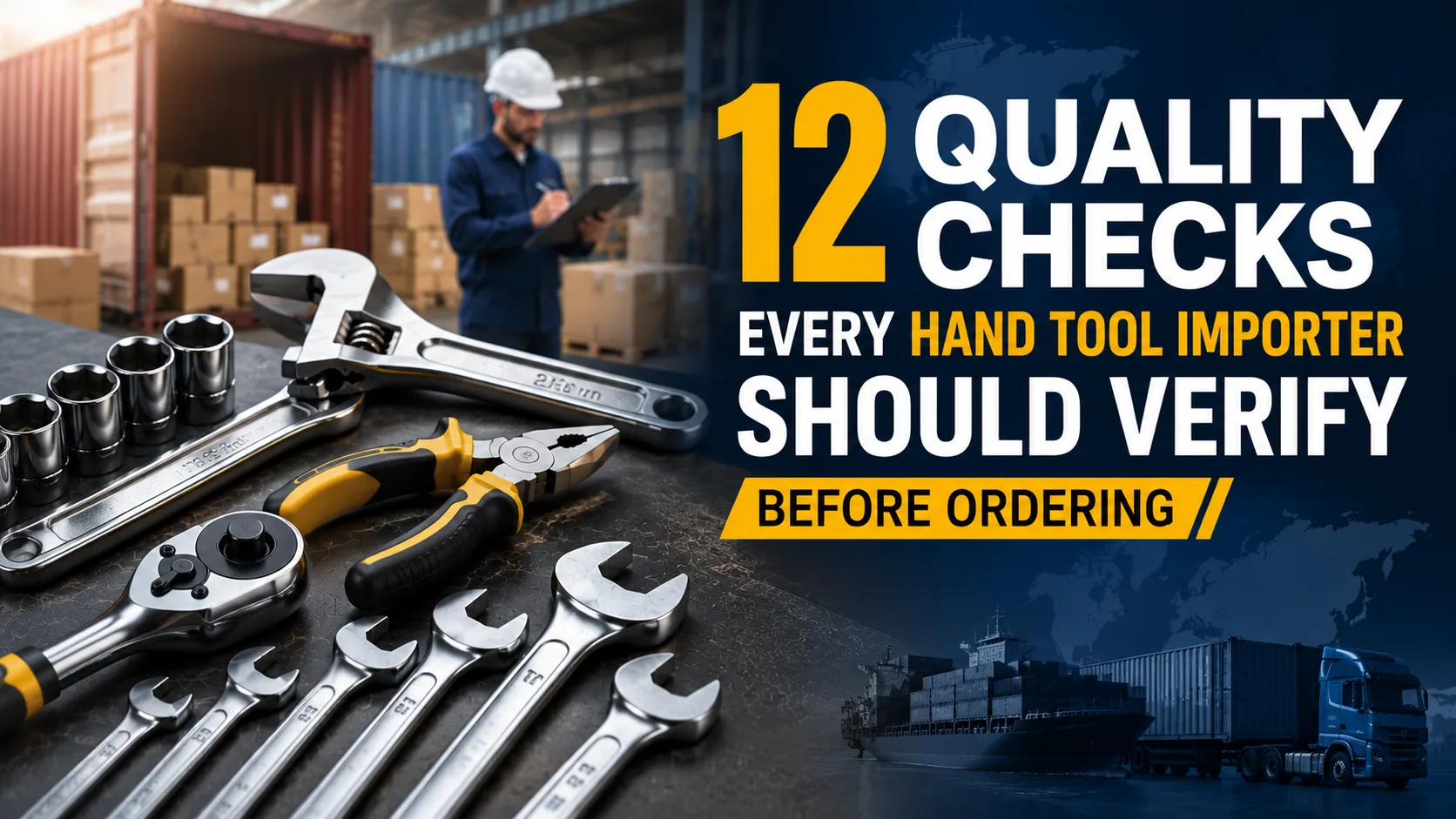
- Multi-stage quality inspections
- Hardness, torque, and material testing
- Reduced risk of defects in global markets
5. High Production Capacity
Indian manufacturers are structured to handle both steady and large-scale export demand.
Key strengths:
- Scalable OEM production systems
- Consistent output across repeat orders
- Ability to handle bulk industrial contracts
- Stable supply for growing distributors
6. Strong Export Infrastructure
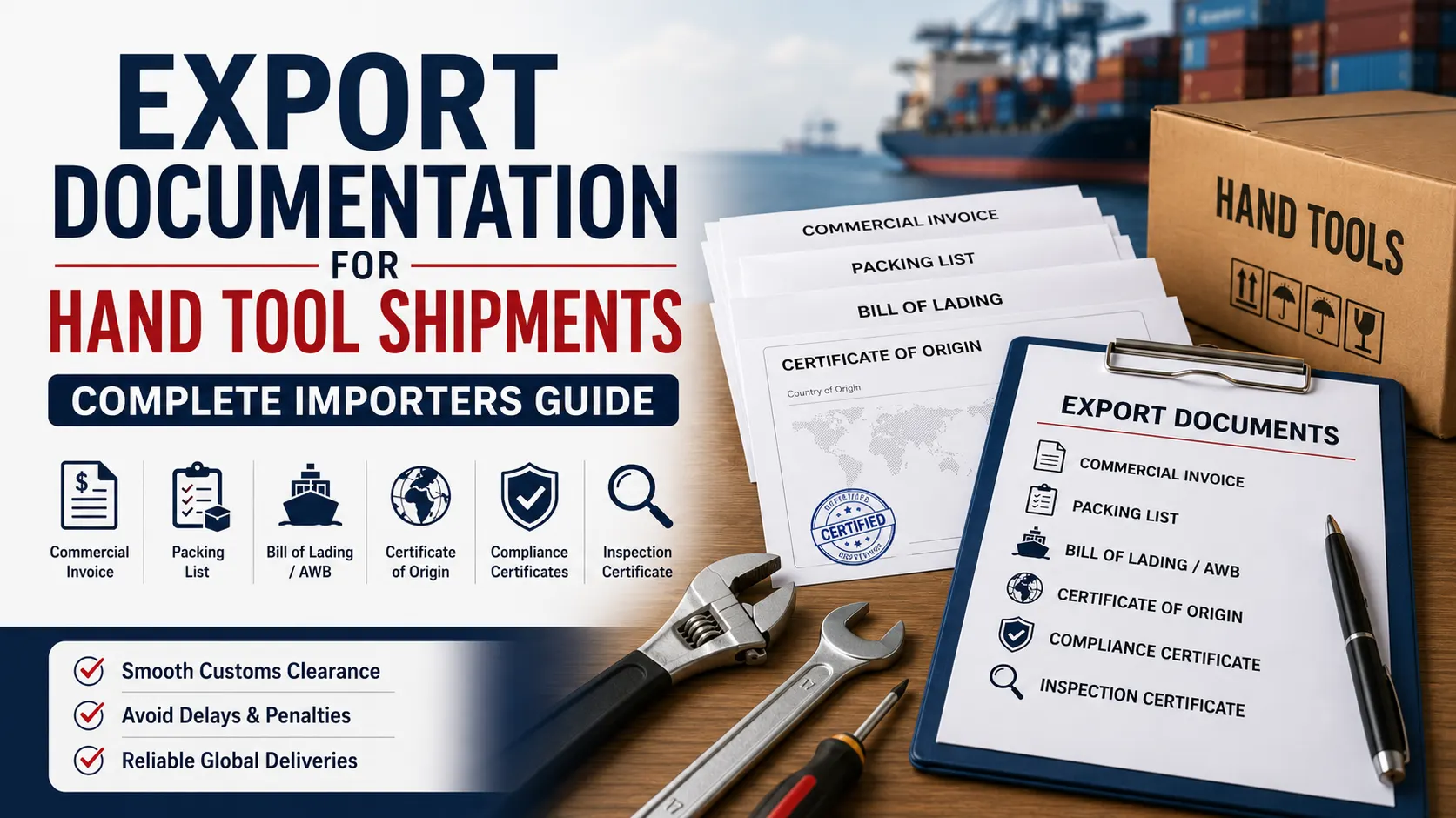
India’s export ecosystem supports smooth international trade and documentation processes.
Key strengths:
- Experienced export documentation handling
- Compliance with global shipping norms
- Strong logistics and port connectivity
- Established trade routes to major markets
7. OEM and Private Label Flexibility
Manufacturers support full customization, helping buyers build strong private-label brands.
Key strengths:
- Product design customization
- Material and finish flexibility
- Branding and laser marking options
- Packaging customization for retail markets
8. Reliable Lead Times
Cluster-based manufacturing improves production flow and reduces delays.
Key strengths:
- Faster transition between production stages
- Better coordination across suppliers
- Predictable delivery schedules
- Strong inventory planning support for buyers
9. Wide Product Portfolio
Buyers can source multiple tool categories from a single supplier base.
Key strengths:
- Spanners, pliers, hammers, screwdrivers, sockets
- Tool kits and industrial sets
- Reduced supplier fragmentation
- Easier procurement and quality control
10. Investment in Modern Manufacturing Technology
Advanced systems improve accuracy, repeatability, and production efficiency.
Key strengths:
- CNC machining and automated forging
- Precision heat treatment systems
- Digital inspection and measurement tools
- Improved batch-to-batch consistency
11. Long-Term Supply Stability
India supports stable sourcing relationships for sustained global demand.
Key strengths:
- Reliable repeat production capability
- Consistent product specifications over time
- Strong supplier–buyer partnerships
- Better responsiveness to demand changes
12. Strong Global Export Reputation
Indian hand tools are widely trusted across major international markets and industries.
Key strengths:
- Exports to USA, Europe, Middle East, Africa, Asia
- Strong presence in industrial and OEM supply chains
- Decades of export experience
- Backed by national export growth initiatives
How to Choose the Right Indian Hand Tool Manufacturer
While India offers numerous sourcing advantages, selecting the right manufacturing partner requires careful evaluation. Before placing a bulk order, buyers should assess:
- Manufacturing capabilities: Can the supplier produce the required product range and order volume?
- Quality systems: Do they follow documented inspection and testing procedures?
- Export experience: Have they successfully supplied customers in your target market?
- OEM capabilities: Can they support custom branding, specifications, and packaging?
- Production capacity: Are they equipped to meet future demand as your business grows?
- Communication and transparency: Do they provide clear documentation, timely updates, and responsive customer support?
Evaluating these factors helps build long-term partnerships based on reliability rather than price alone.
Conclusion
Global buyers prefer Indian hand tool manufacturers because they deliver a combination of manufacturing expertise, competitive pricing, export readiness, and long-term reliability. Established industrial hubs in India, supported by modern production technologies and skilled engineering talent, have positioned India as one of the world’s leading sourcing destinations for industrial hand tools.
For importers, distributors, and OEM brands, the real advantage extends beyond cost savings. Indian manufacturers offer scalable production, strong quality management, customization capabilities, and the experience needed to support international supply chains. Businesses that evaluate suppliers based on capability, quality systems, and export expertise—not just price—are more likely to build sourcing partnerships that deliver consistent value over the long term.
FAQs
Global buyers choose Indian hand tool manufacturers for their competitive cost-to-quality ratio, skilled workforce, established manufacturing clusters, export experience, OEM capabilities, and reliable production capacity.
Jalandhar and Ludhiana in Punjab are internationally recognized for forged and industrial hand tools, while Rajkot in Gujarat is known for precision engineering and industrial manufacturing.
Yes. Many export-focused manufacturers provide OEM production, custom specifications, private labeling, laser branding, and packaging solutions for international distributors and retailers.
Buyers should assess manufacturing capability, quality control systems, export experience, production capacity, certifications, customization options, and communication before selecting a supplier.
India combines skilled manufacturing, integrated industrial clusters, modern production technologies, export infrastructure, and decades of international trade experience, making it a dependable choice for long-term global sourcing.