Gardening Tools and Their Uses: Essential Tools for Every Gardener
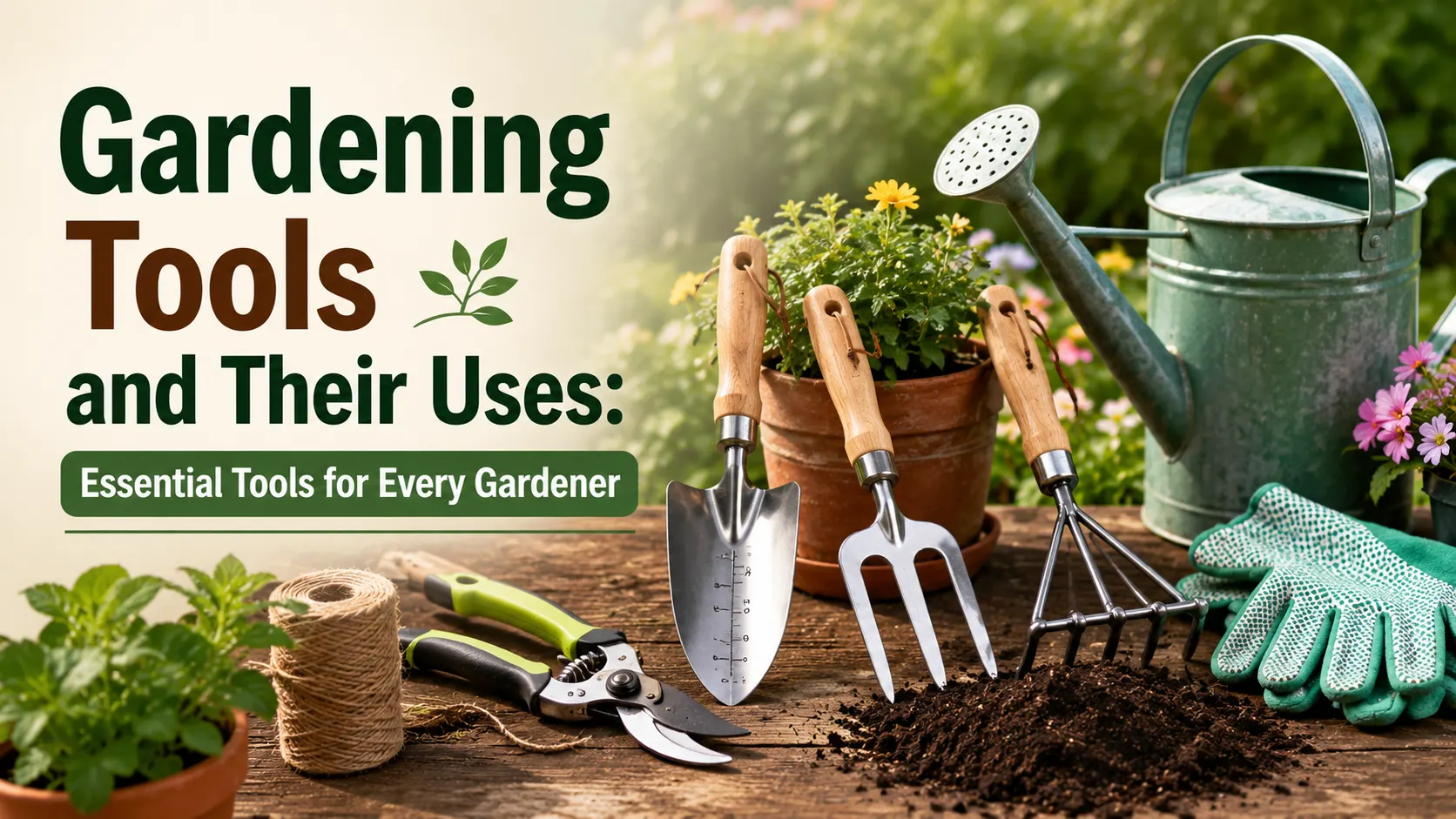
Having the right gardening tools can make planting, pruning, digging, and garden maintenance much easier. Whether you are growing vegetables, caring for flower beds, maintaining a lawn, or managing a landscaping project, the right tools help you work more efficiently while reducing physical effort.
From soil preparation to watering and pruning, every gardening task requires specific equipment. Understanding the purpose of each tool can help you choose the right gardening essentials, improve productivity, and maintain a healthy garden throughout the year.
What Are Gardening Tools?
Gardening tools are hand tools and equipment used for digging, planting, pruning, watering, weeding, cultivating soil, and maintaining gardens. Common gardening tools include rakes, spades, hand trowels, garden forks, hoes, pruning shears, watering cans, wheelbarrows, and garden gloves.
Why Are Gardening Tools Important?
Using the right gardening tools offers several advantages:
- Makes gardening tasks faster and more efficient
- Reduces physical strain on the hands, back, and wrists
- Helps maintain healthy soil and plant growth
- Improves accuracy when planting, pruning, and weeding
- Enhances safety during routine garden work
Whether you are maintaining a small backyard garden or a large landscape, proper tools make every task easier and more effective.
20 Different Types of Gardening Tools and Their Uses
The most common gardening tools include garden rakes, spades, sickles, hoes, hand trowels, pruning tools, watering equipment, and soil cultivation tools, each designed for specific gardening tasks.
Below is a detailed overview of each tool:
1. Garden Rake
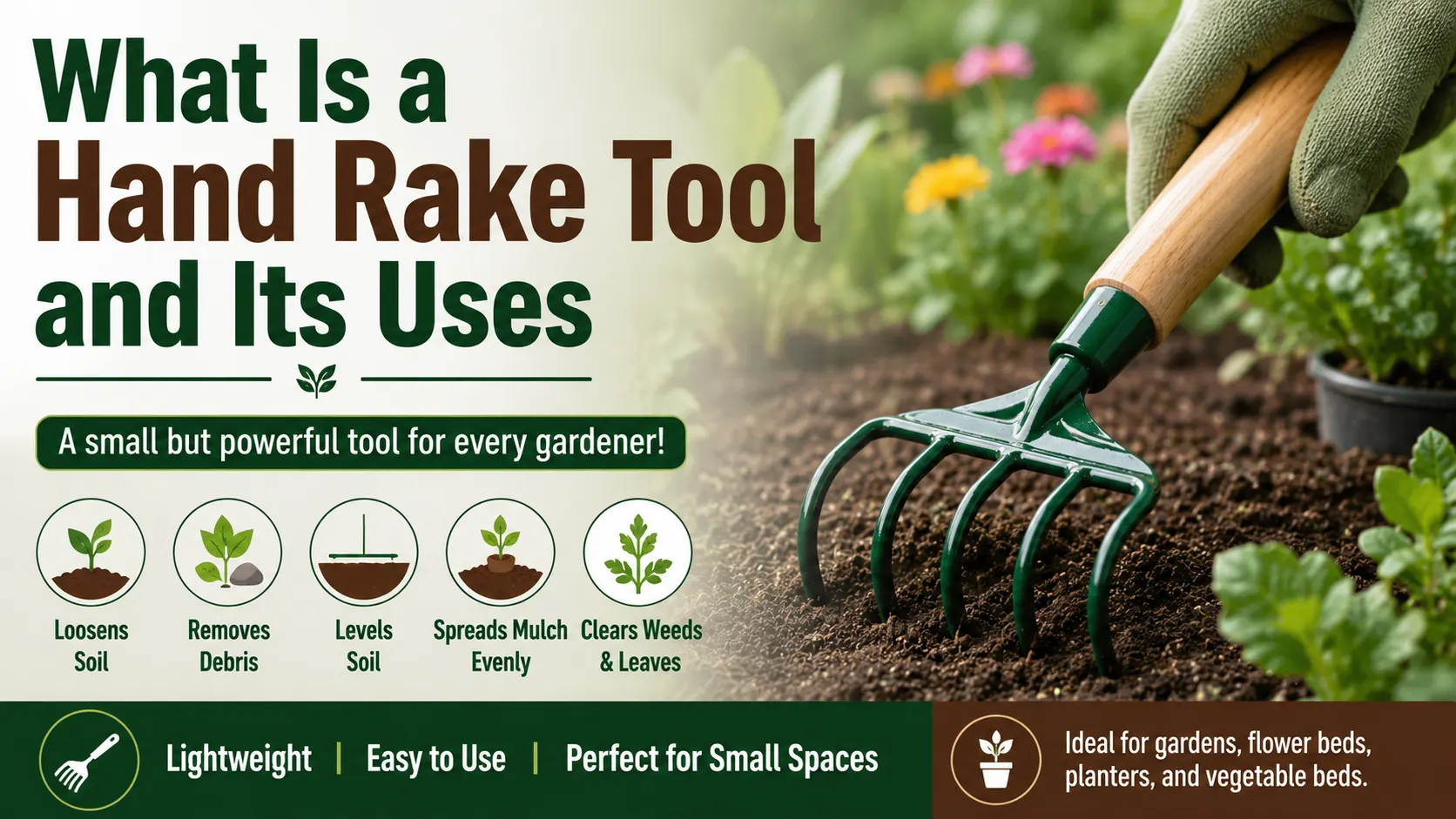
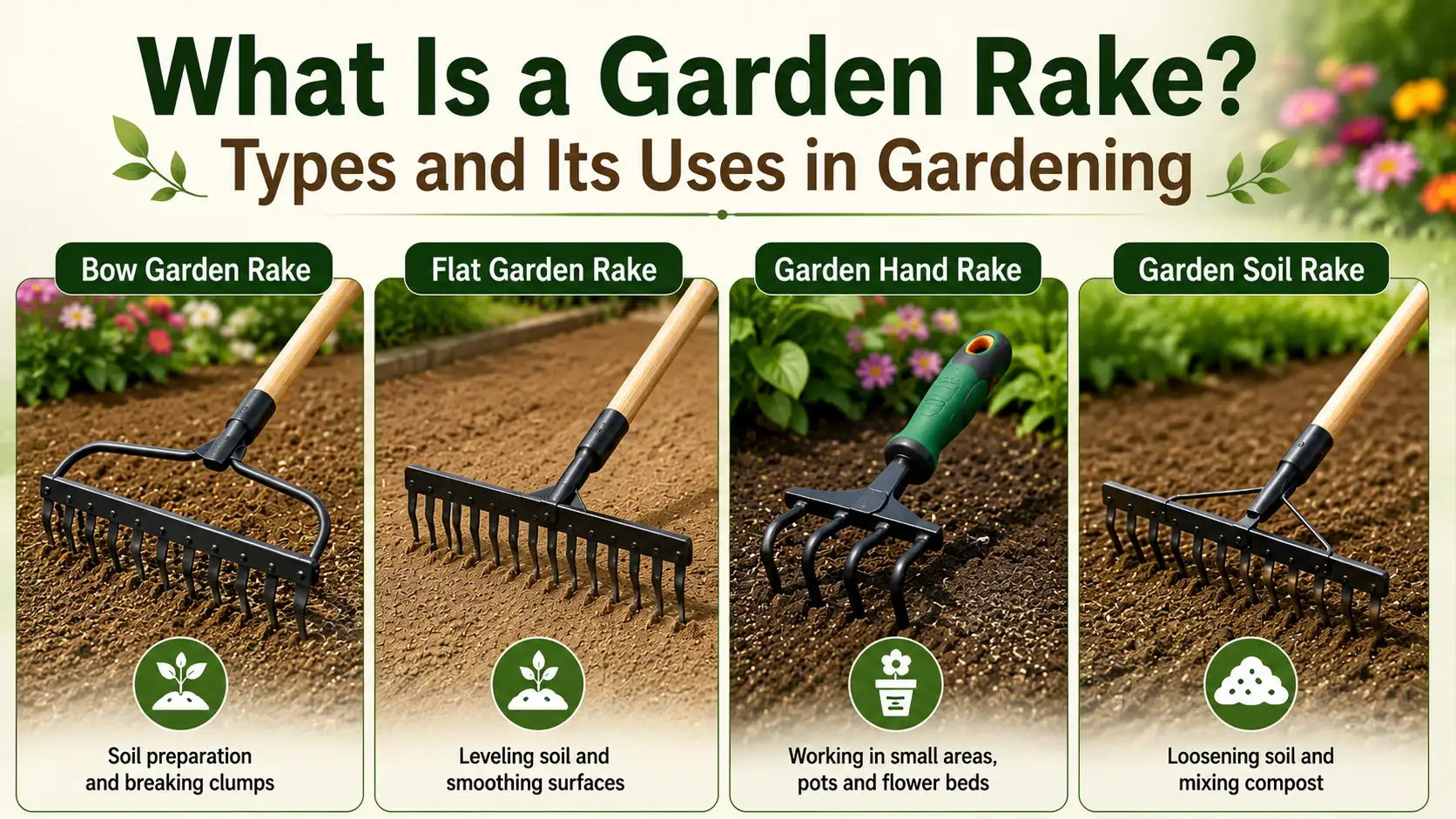
A garden rake is one of the most versatile gardening tools used for leveling soil, removing stones and debris, spreading mulch or compost, collecting leaves, and maintaining garden beds and lawns.
Learn more in our guide on What Is a Garden Rake? Types and Its Uses in Gardening.
2. Spade
A spade is primarily used for digging planting holes, edging lawns, trenching, cutting roots, and turning soil during garden preparation.
3. Sickle
A sickle is commonly used for cutting grass and weeds, harvesting crops, clearing vegetation, trimming garden edges, and maintaining pathways.
To understand how these traditional tools work together, read our guide on What Are Spade, Rake and Sickle? Essential Gardening Tools Explained.
4. Hoe
A hoe is designed for weed removal, soil cultivation, breaking surface crusts, creating planting furrows, and mixing compost or fertilizers into the soil.
5. Hand Trowel
A hand trowel is ideal for planting seedlings, transplanting flowers, filling containers with soil, precision weeding, and working in small garden spaces.
6. Hand Fork
A hand fork is used for loosening compacted soil, aerating beds, removing weeds, mixing compost, and working around delicate plant roots.
7. Pruning Shears
Pruning shears are used for trimming branches, deadheading flowers, harvesting produce, removing damaged growth, and shaping plants.
8. Loppers
Loppers are suitable for cutting thick branches, pruning shrubs, maintaining trees, removing dead wood, and clearing overgrown areas.
9. Hedge Shears
Hedge shears are designed for trimming hedges, shaping shrubs, maintaining ornamental plants, and creating neat garden borders.
10. Pick Axe
A pick axe is used for breaking hard ground, removing rocks, digging compact soil, landscaping projects, and preparing new garden areas.
11. Pick Mattock
A pick mattock is useful for cutting roots, digging trenches, breaking clay soil, removing stumps, and heavy ground preparation.
12. Shovel
A shovel is primarily used for moving soil, compost, mulch, sand, and other loose materials around the garden or landscape.
13. Wheelbarrow
A wheelbarrow helps with transporting soil, compost, plants, tools, debris, and other heavy gardening materials.
14. Watering Can
A watering can is used for watering plants, moistening seedlings, applying liquid fertilizers, and maintaining container gardens.
15. Garden Hose
A garden hose provides an easy way to water lawns, irrigate beds, clean outdoor surfaces, and supply water across larger garden areas.
16. Garden Cultivator
A garden cultivator is used for loosening soil, improving aeration, controlling weeds, mixing compost, and preparing seedbeds.
17. Dibber
A dibber helps gardeners create uniform planting holes for seeds, bulbs, and seedlings while maintaining proper planting depth.
18. Hori Hori Knife
A Hori Hori knife is a multi-purpose tool used for digging, weeding, cutting roots, transplanting plants, and harvesting vegetables.
19. Garden Gloves
Garden gloves help protect hands from dirt, blisters, thorns, sharp edges, and prolonged exposure to moisture or chemicals.
20. Garden Secateurs
Garden secateurs are compact cutting tools used for pruning stems, harvesting flowers, removing dead growth, and maintaining healthy plants with precision.
Essential Gardening Tools at a Glance
| Tool | Primary Use |
| Garden Rake | Soil leveling and debris removal |
| Spade | Digging and edging |
| Sickle | Cutting grass and weeds |
| Garden Hoe | Weed removal and cultivation |
| Hand Trowel | Planting and transplanting |
| Hand Fork | Soil aeration |
| Pruning Shears | Plant trimming |
| Loppers | Cutting thick branches |
| Hedge Shears | Shaping hedges |
| Pick Axe | Breaking hard ground |
| Pick Mattock | Root removal and digging |
| Garden Spade | Precision digging |
| Shovel | Moving soil and compost |
| Wheelbarrow | Transporting materials |
| Watering Can | Watering plants |
| Garden Hose | Irrigation |
| Garden Cultivator | Soil preparation |
| Dibber | Planting seeds and bulbs |
| Hori Hori Knife | Digging and weeding |
| Garden Gloves | Hand protection |
How to Choose the Right Gardening Tools
When selecting gardening tools, consider the following factors:
Material Quality
Choose high-quality steel or forged metal tools for heavy-duty gardening tasks. Lightweight aluminum and fiberglass options are suitable for users who prioritize comfort and reduced weight.
Handle Comfort
Look for ergonomic handles with comfortable grips to reduce fatigue during long gardening sessions.
Garden Size and Requirements
Small gardens often require compact hand tools, while larger landscapes benefit from long-handled equipment that improves reach and efficiency.
Durability
Investing in durable tools often reduces replacement costs and provides better long-term value.
Common Mistakes When Choosing Gardening Tools
- Using lightweight tools for heavy-duty tasks
- Buying low-quality tools that bend easily
- Choosing uncomfortable handle lengths
- Ignoring material quality
- Using the wrong tool for the task
Selecting the correct tool improves efficiency and prevents unnecessary strain or damage.
How to Maintain Gardening Tools
Proper maintenance helps extend tool life and improve performance.
- Clean tools after every use
- Remove soil and plant debris promptly
- Dry tools before storage
- Sharpen cutting tools regularly
- Apply a light protective oil to metal parts
- Store equipment in a dry location
Regular maintenance keeps gardening tools safe, effective, and ready for use throughout the year.
Conclusion
Understanding gardening tools and their uses helps gardeners choose the right equipment for planting, digging, pruning, watering, and garden maintenance. From basic hand tools like trowels and hand forks to heavy-duty equipment such as pick axes and wheelbarrows, every tool serves a specific purpose that improves efficiency and supports healthy plant growth.
Whether you are a home gardener, hobbyist, or landscaping professional, investing in durable, well-designed gardening tools can make outdoor work easier, more productive, and more enjoyable throughout the year.
FAQs
Gardening tools are equipment used for planting, digging, pruning, watering, weeding, cultivating soil, and maintaining gardens efficiently.
Common gardening essentials include a garden rake, spade, hand trowel, garden hoe, pruning shears, watering can, wheelbarrow, and garden gloves.
Spades, garden spades, hand trowels, and shovels are commonly used for digging tasks.
A garden rake is used for leveling soil, removing debris, spreading mulch, and preparing planting beds.
A garden hoe is ideal for removing weeds across larger areas, while a hand trowel or Hori Hori knife works well for precise weeding.
Basic cleaning should be done after every use, while sharpening and oiling should be performed periodically throughout the gardening season.
Related Readings: